Shoulder injuries are a common issue affecting individuals across various age groups and activity levels. Whether due to overuse, trauma, or degenerative conditions, shoulder injuries can significantly impact daily life. Orthopedic rehabilitation plays a crucial role in restoring strength, mobility, and pain relief post-injury. Here’s what you need to know about orthopedic rehabilitation for shoulder injuries.
Common Shoulder Injuries
The shoulder joint is a complex structure, making it susceptible to various injuries, including:
Rotator Cuff Tears: A tear in the rotator cuff muscles or tendons can cause severe pain, weakness, and limited mobility. These injuries often result from repetitive overhead motions or sudden trauma.
Dislocations: A dislocated shoulder occurs when the upper arm bone pops out of its socket. This injury is often caused by falls, sports activities, or accidents.
Frozen Shoulder (Adhesive Capsulitis): This condition leads to stiffness and reduced mobility in the shoulder joint, often developing gradually and lasting months or even years without proper intervention.
Shoulder Impingement: This injury occurs when the rotator cuff tendons are compressed during shoulder movement, leading to inflammation and pain.
Fractures: Breaks in the collarbone, shoulder blade, or upper arm bone can result from high-impact injuries like car accidents or falls.

The Role of Orthopedic Rehabilitation
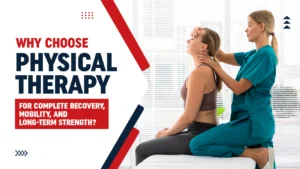
Orthopedic rehabilitation is a specialized approach to help patients recover from shoulder injuries. This process focuses on restoring function, reducing pain, and preventing future complications. Here’s how it works:
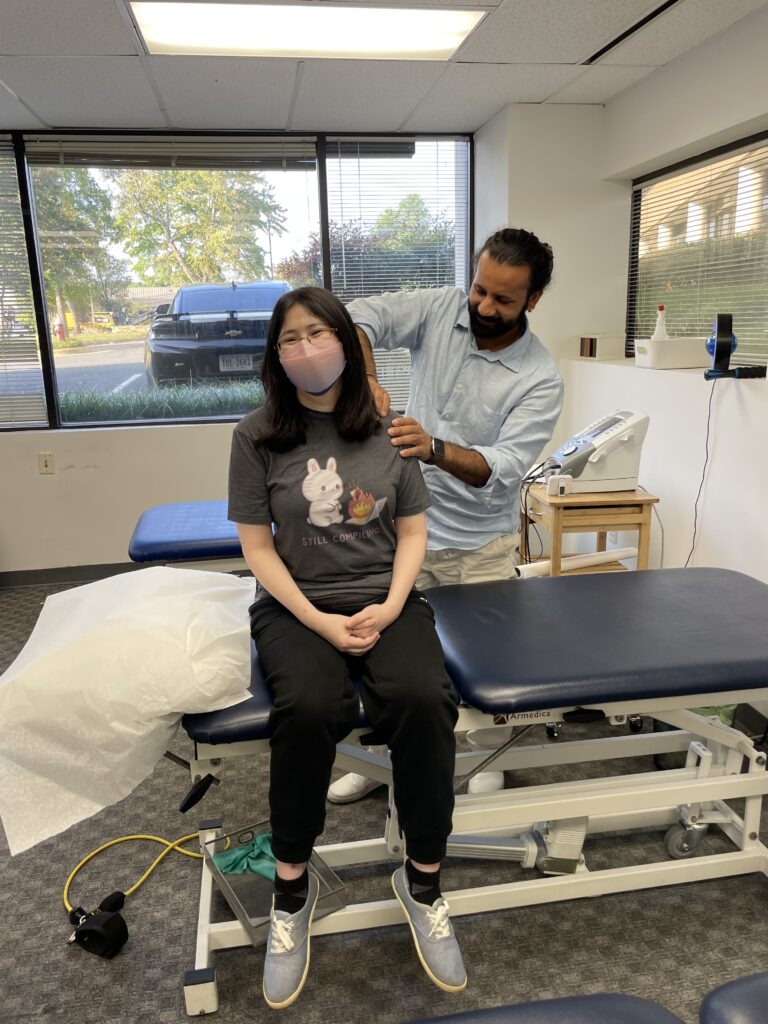
Initial Assessment and Custom Treatment Plan: A licensed physical therapist or orthopedic specialist begins by evaluating the extent of the injury and any limitations in movement. Based on this assessment, a personalized rehabilitation plan is developed.
Pain Management: Pain relief is a priority during the early stages of rehabilitation. Techniques such as heat application and ultrasound therapy are commonly used to reduce discomfort and swelling.
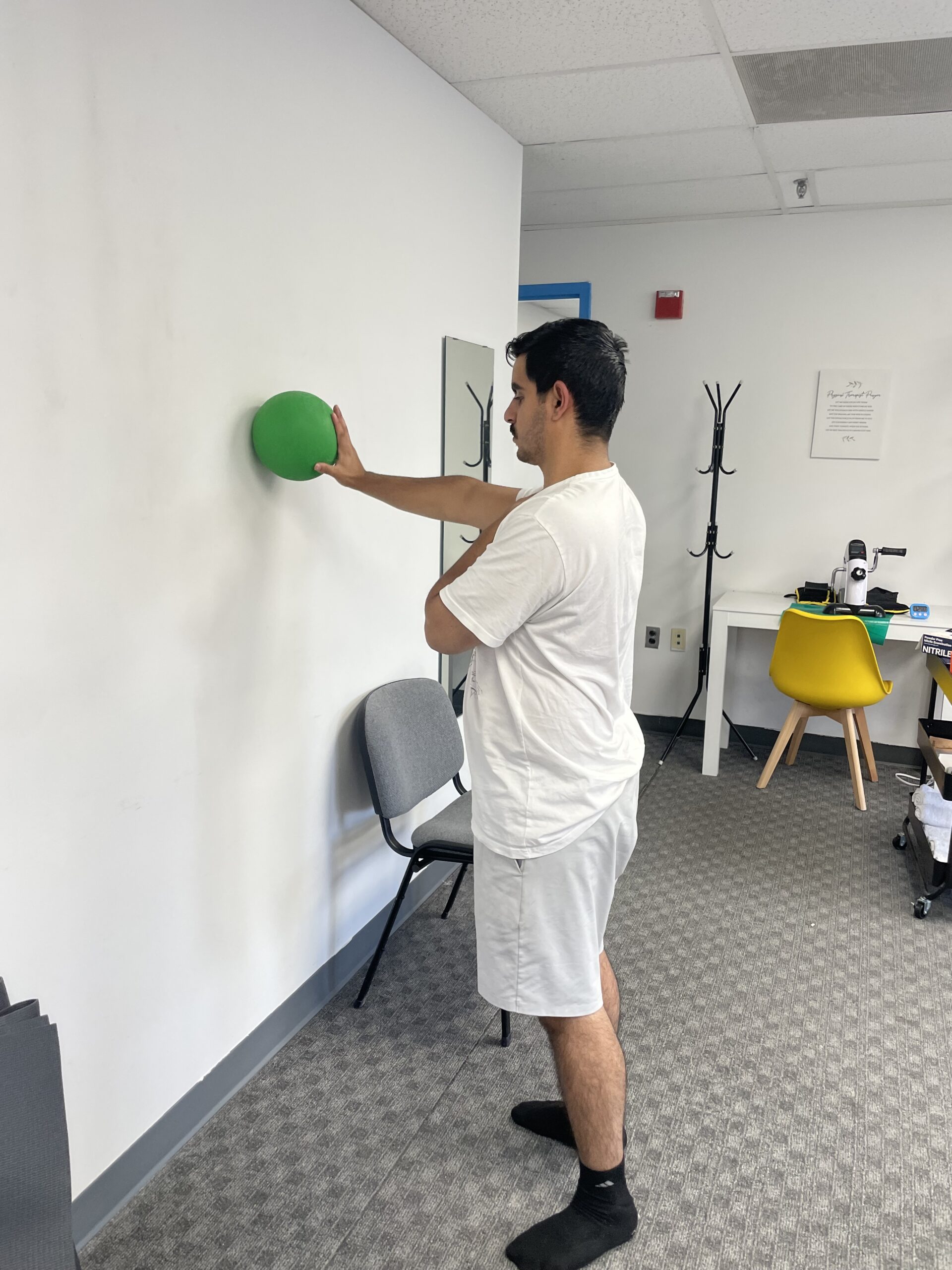
Improving Range of Motion: Gentle stretching exercises are introduced to improve flexibility and reduce stiffness. Over time, these exercises help restore the shoulder’s full range of motion.
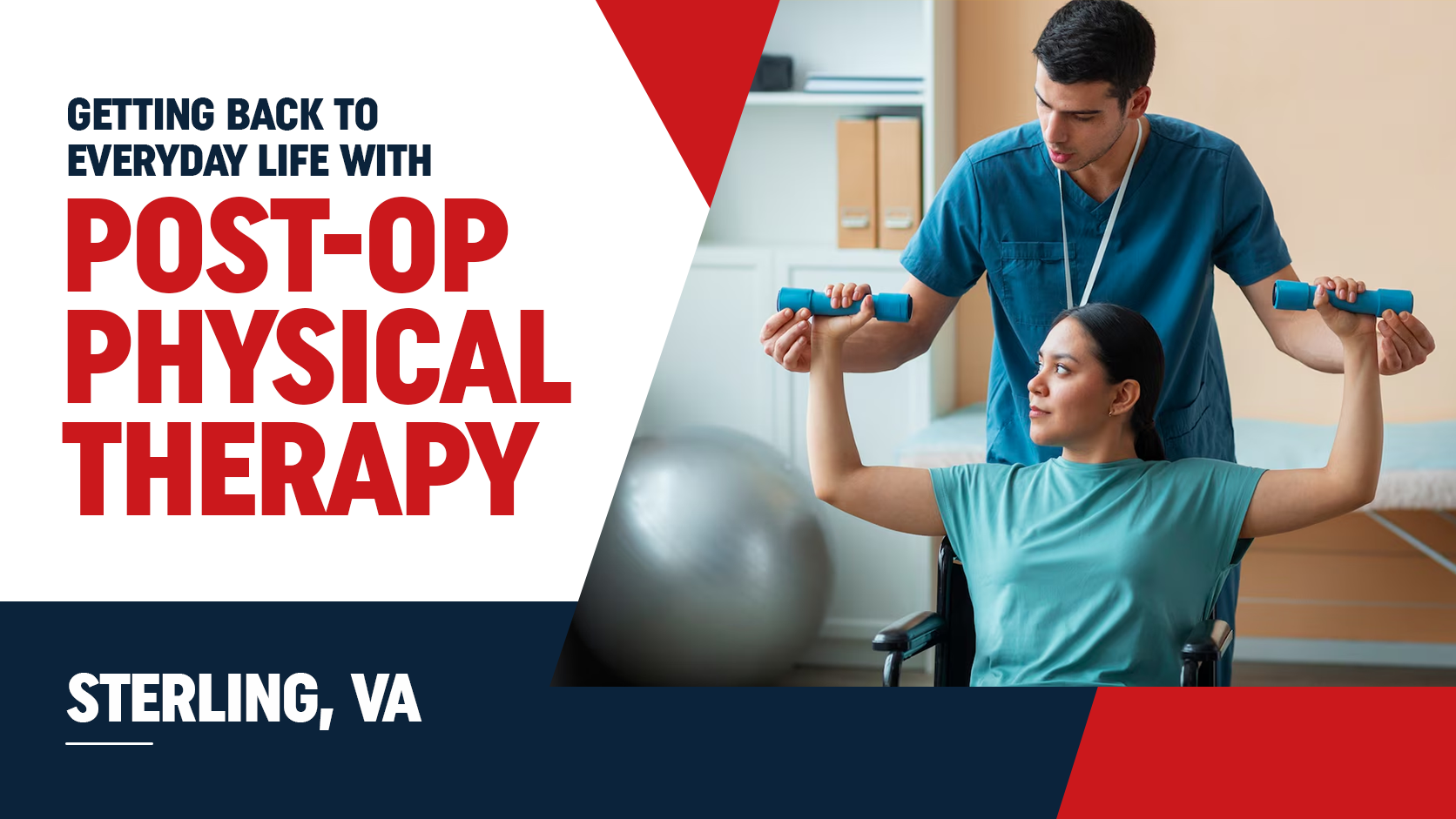
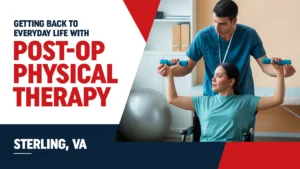
Strengthening Exercises: Once mobility improves, strengthening exercises are incorporated to rebuild muscle strength and support the shoulder joint. Resistance bands, light weights, and bodyweight exercises are often used in this phase.
Functional Training: Functional exercises help patients regain the ability to perform daily activities. This phase focuses on movements like lifting, reaching, and carrying to prepare patients for a full return to their routines.
Benefits of Orthopedic Rehabilitation for Shoulder Injuries
Orthopedic rehabilitation offers numerous benefits, including:
· Pain Reduction: Targeted therapies alleviate pain and inflammation.
· Enhanced Mobility: Exercises improve joint flexibility and motion.
· Strength Restoration: Gradual strengthening rebuilds the muscles around the shoulder.
· Injury Prevention: Rehabilitation reduces the risk of reinjury by improving stability and coordination.
Reclaim Your Strength with Expert Orthopedic Rehabilitation in Herndon, VA!
Don’t let shoulder injuries hold you back. At Virginia’s Physical Therapy, our dedicated team specializes in orthopedic physical therapy in Herndon, VA, helping you restore mobility, rebuild strength, and reduce pain. Visit our rehab outpatient clinic and take the first step toward a healthier, pain-free future.
Schedule your consultation today.