Maintaining balance is essential for everyday activities, from walking to bending down. However, for many individuals, balance disorders caused by issues like vertigo can disrupt daily life. Vestibular rehabilitation therapy (VRT) offers hope, acting as a targeted, effective solution for improving balance and reducing dizziness.
Understanding Vestibular Disorders
The vestibular system, located in the inner ear, plays a crucial role in balance, spatial orientation, and movement coordination. When this system is impaired, it can result in symptoms such as:
· Dizziness or spinning sensations (vertigo)
· Unsteadiness or difficulty walking
· Nausea or vomiting
· Trouble focusing, especially during head movements
Conditions like benign paroxysmal positional vertigo (BPPV), vestibular neuritis, Meniere’s disease, or even concussions can lead to these symptoms, impacting the quality of life.
What is Vestibular Rehabilitation Therapy?
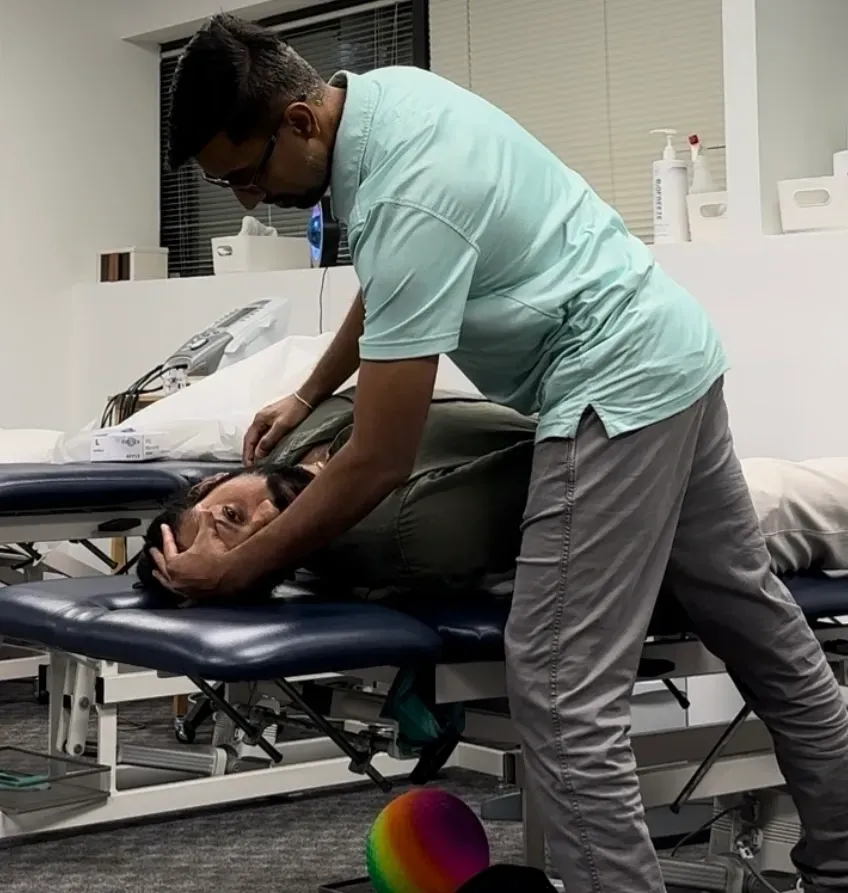
Vestibular rehabilitation for balance disorders is a specialized, exercise-based approach designed to improve the brain’s ability to adapt to inner ear dysfunction. Conducted by trained physical or occupational therapists, VRT focuses on retraining the brain to interpret balance signals effectively.
How Vestibular Rehabilitation Improves Balance
VRT incorporates a personalized plan tailored to an individual’s symptoms and goals. Key elements include:
Habituation Exercises: Designed to reduce dizziness by repeatedly exposing the brain to movements or environments that trigger symptoms. Over time, the brain learns to ignore these triggers.
Gaze Stabilization: These exercises improve eye control during head movements, reducing symptoms like blurriness or difficulty focusing.
Balance and Postural Training: Techniques that strengthen muscles and enhance coordination, aiding individuals in regaining stability during daily activities.
Functional Training: Activities that mimic real-life scenarios help patients regain confidence in walking, bending, and other essential movements.

Benefits of Vestibular Rehabilitation
Reduced Dizziness and Vertigo Episodes: Many patients report fewer and less severe dizziness episodes after completing a VRT program.
Improved Balance: Strengthened coordination and postural control decrease the risk of falls, especially in older adults.
Enhanced Quality of Life: With reduced symptoms, individuals can return to work, hobbies, and social activities without fear of imbalance or dizziness.
Increased Confidence and Independence: VRT restores the ability to perform daily tasks without assistance, improving both mental and emotional well-being.
Who Can Benefit from VRT?
Anyone experiencing balance issues due to vestibular dysfunction may benefit from vestibular rehabilitation for balance disorders. Conditions that often respond well to VRT include:
· Inner ear infections or inflammation (vestibular neuritis/labyrinthitis)
· BPPV
· Meniere’s disease
· Post-concussion syndrome
· Chronic dizziness or imbalance
Regain Your Balance and Confidence Today!
Struggling with dizziness or vertigo? Virginia’s Physical Therapy offers expert vestibular rehabilitation in Herndon tailored to your needs. Our compassionate team specializes in evidence-based therapies, including concussion therapy and comprehensive physical therapy servies, to help you restore stability and reclaim your active life.
Visit the best physical therapy clinic today!