Winter is a season of snow, ice, and shorter days, but that doesn’t mean you need to give up your fitness routine. Staying active during winter can help boost your mood, maintain your health, and prevent the weight gain that sometimes accompanies colder months. However, the cold weather and slippery conditions can lead to injuries if you’re not careful.
As the temperature drops, your muscles and joints become stiffer, making them more prone to strains and sprains. This makes warming up before exercise more important than ever. A proper warm-up increases blood flow to the muscles, making them more flexible and prepared for activity.
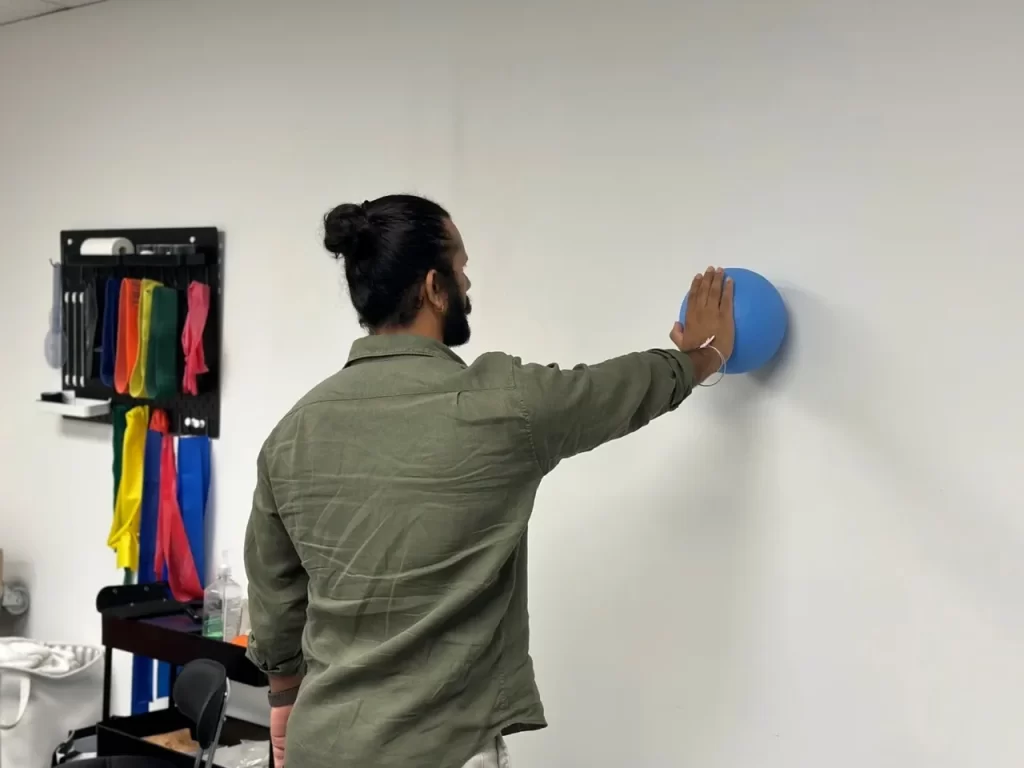
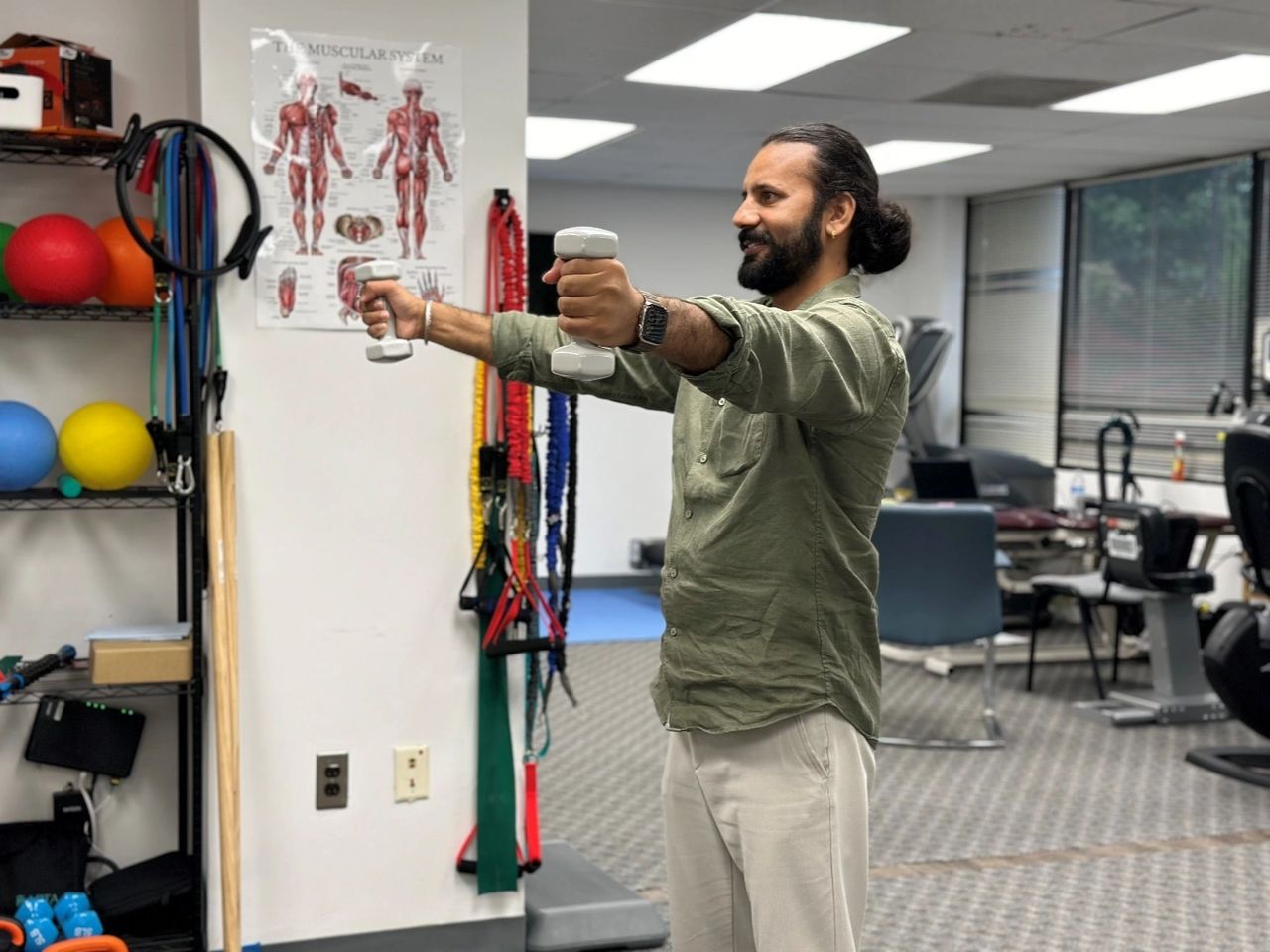
Dynamic stretching is one of the best warm-up routines to incorporate. Start with gentle movements like leg swings, arm circles, and torso twists to gradually increase your heart rate and loosen your muscles. A five-to-ten-minute warm-up is typically sufficient to prepare your body for exercise. Pay particular attention to your joints, such as your knees and shoulders, which are more vulnerable during colder months.
2. Layer Your Clothing
When you stay active during winter, wearing the right clothes can make a huge difference. Layering is essential because it helps regulate your body temperature and allows for easier movement. Start with a moisture-wicking base layer to keep sweat away from your skin, followed by an insulating middle layer, and finish with a waterproof outer layer to protect against wind and snow.
In addition, don’t forget about your extremities. Wear gloves, warm socks, and a hat or headband to keep your body heat contained and prevent frostbite. Proper footwear is crucial as well, as slippery surfaces can lead to falls and ankle injuries.
A warm-up routine: Your body’s winter survival guide
3. Choose Low-Impact Activities
Winter conditions can make outdoor running or high-impact exercises more challenging and riskier. Instead, consider low-impact activities that reduce stress on your joints while still providing a great workout. Swimming, cycling on a stationary bike, and yoga are all excellent options that keep you moving without putting unnecessary strain on your body.
If you enjoy outdoor exercise, try winter-specific sports like cross-country skiing, snowshoeing, or ice skating. These activities engage different muscle groups and are great for cardiovascular health, but be mindful of the surface conditions to reduce the risk of falls.
4. Stay Mindful of Ice and Snow
Icy sidewalks and roads are one of the most significant hazards in winter. When walking outside, wear shoes with good traction and avoid icy patches when possible. If you must walk on slippery surfaces, take smaller, slower steps to maintain your balance and avoid falls.
Additionally, consider using walking poles for extra stability. If you’re engaging in outdoor exercise, such as running or hiking, be mindful of hidden ice beneath a thin layer of snow that can cause sudden slips.
5. Listen to Your Body
Finally, one of the most important tips for staying active during winter is to listen to your body. If you feel pain or discomfort, stop immediately and rest. Pushing through pain can exacerbate injuries, especially in colder weather. Stay hydrated, get plenty of rest, and adjust your routine as needed based on how your body feels.
If you’re looking to stay active during winter while avoiding injuries, Virginia’s Physical Therapy can help! Our experienced team offers orthopedic physical therapy and sports rehab in Herndon, VA, to ensure you stay in top shape all season long. Our rehab outpatient clinic specializes in post-surgery physical therapy and vestibular rehabilitation in Herndon. Visit us today!
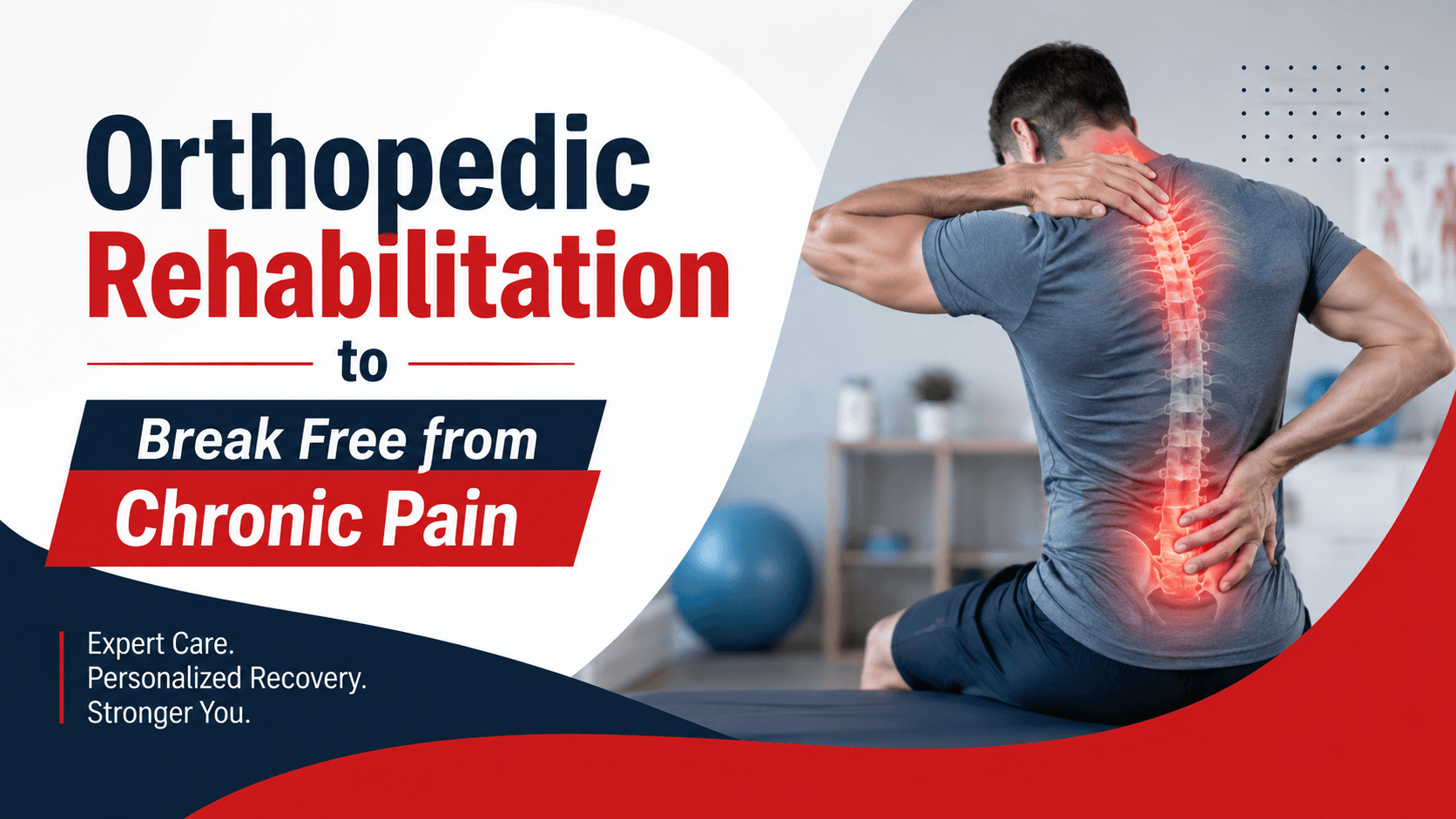
At Virginia’s Physical Therapy, our licensed therapists specialize in personalized orthopedic rehabilitation that targets your specific condition and recovery goals. Here are five major benefits of orthopedic physical therapy you should know.
1. Reduces Pain Without Medication
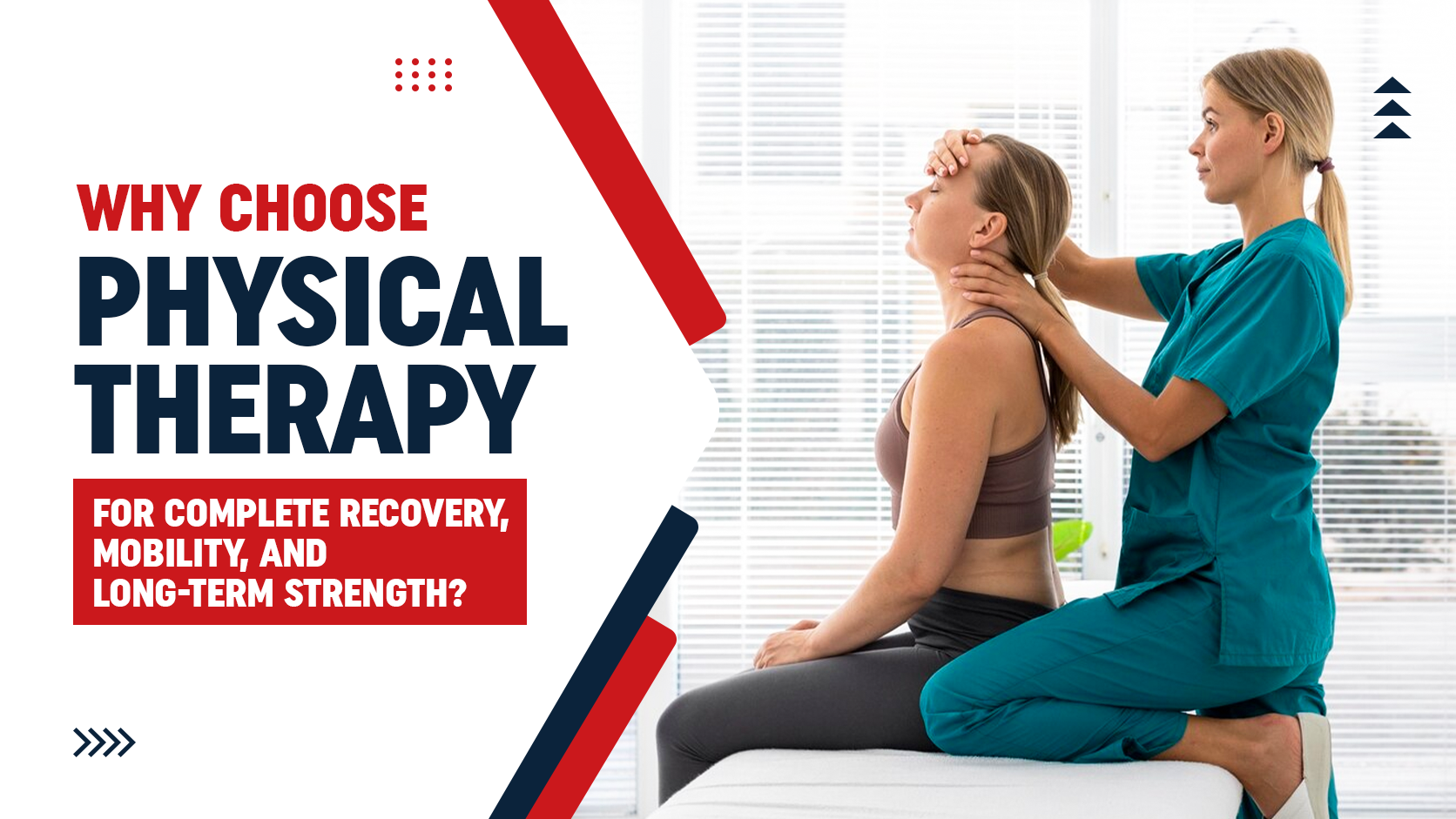
Orthopedic physical therapy focuses on addressing the root cause of pain, not just the symptoms. Through techniques like manual therapy, electrical stimulation, and therapeutic exercises, patients often experience pain relief without the need for painkillers or invasive procedures. This natural approach promotes long-term healing and body awareness.
2. Improves Mobility and Flexibility
Injuries, surgeries, and aging can all limit your range of motion. Orthopedic therapy helps restore flexibility by gently retraining your muscles and joints. Stretching exercises, joint mobilization, and progressive strengthening help you move more freely and perform everyday activities with ease.
3. Speeds Up Post-Surgical Recovery
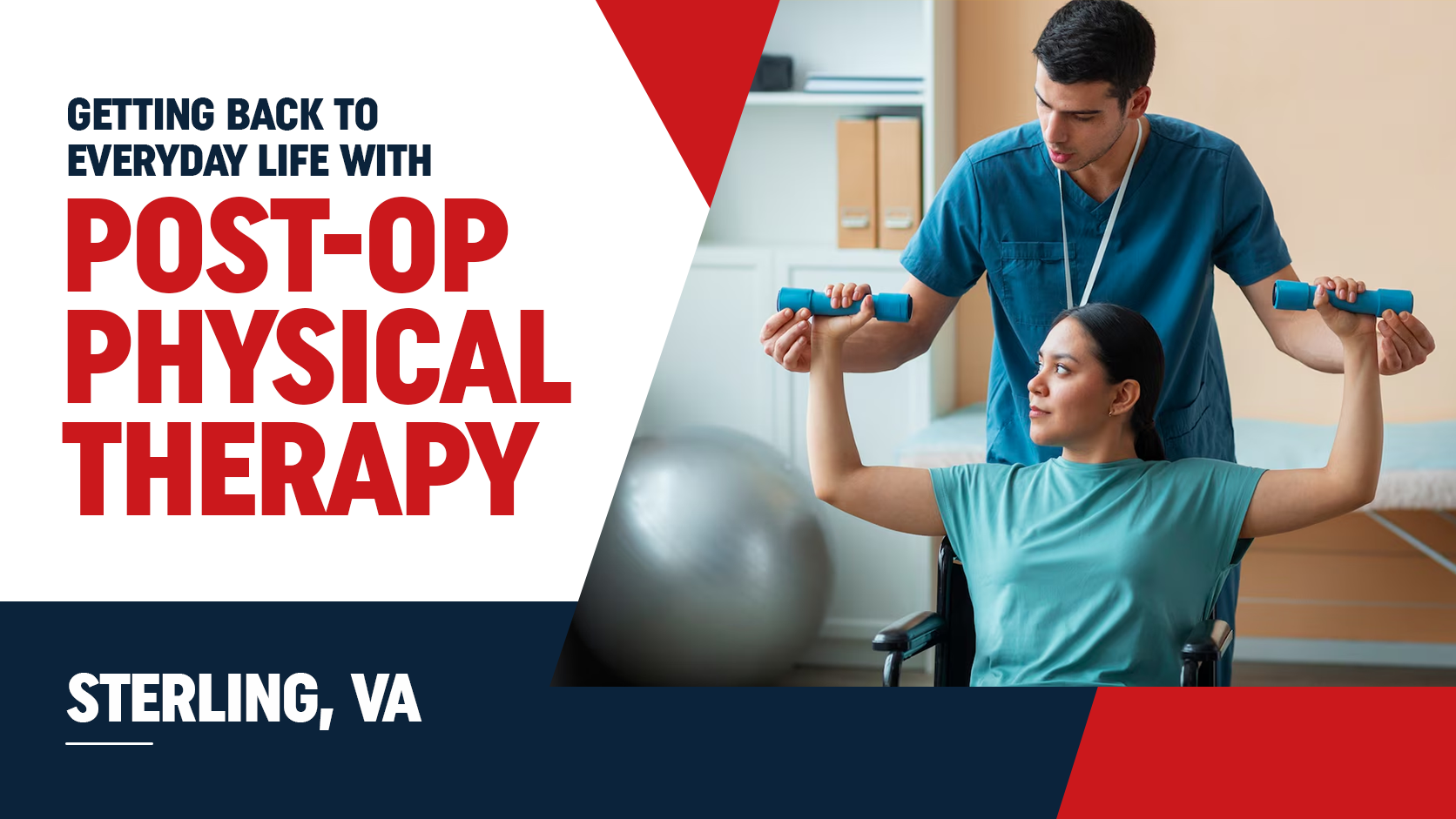
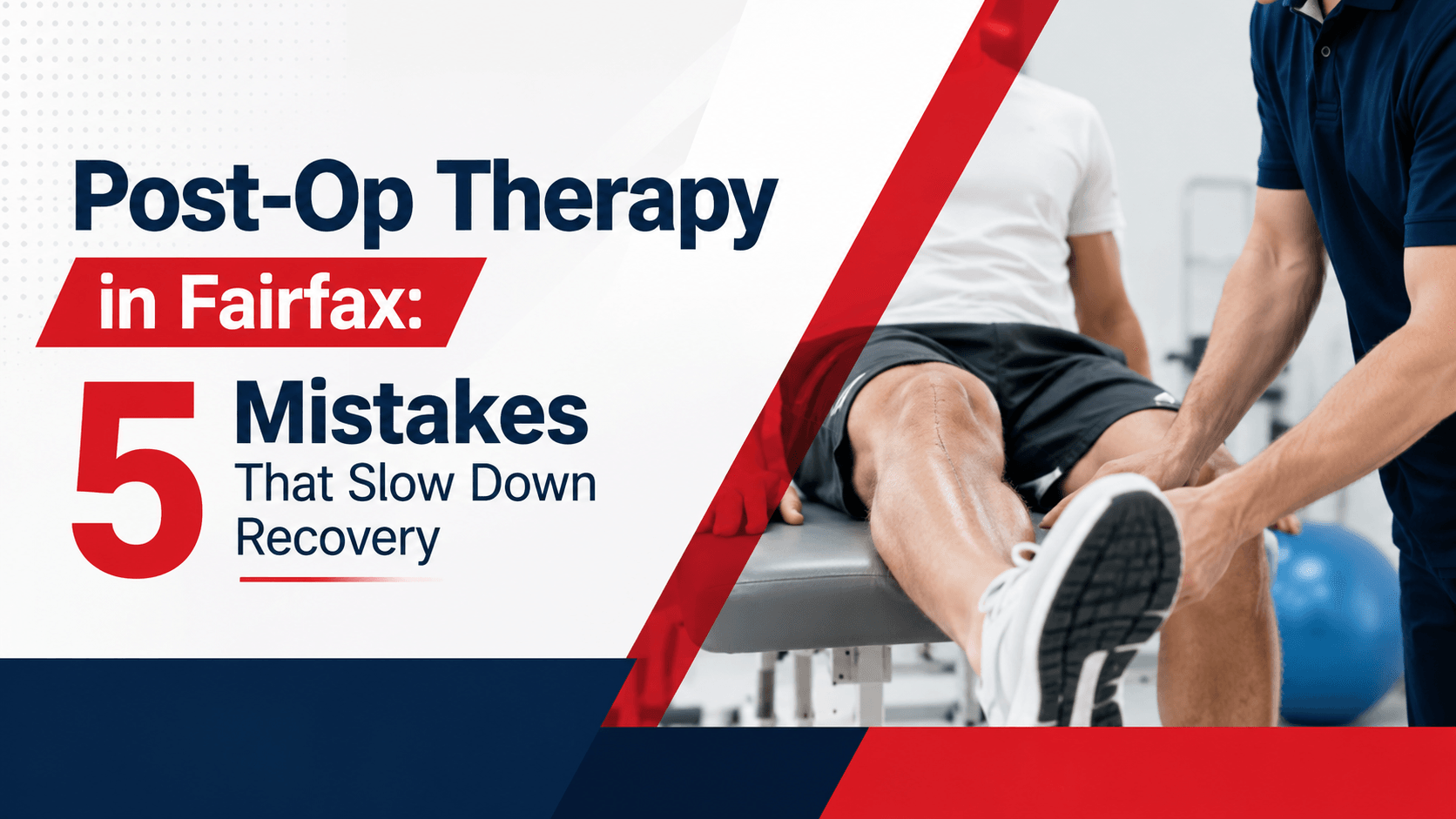
After surgery, your body needs time and guidance to regain strength and movement safely. Orthopedic physical therapy provides a structured recovery plan that minimizes complications and helps you heal faster. Our therapists closely monitor your progress and make adjustments to ensure steady improvement after joint replacements, ACL repairs, or spinal surgeries.
4. Prevents Future Injuries
Physical therapy doesn’t just heal — it also helps prevent future injuries. By improving body mechanics, balance, and strength, orthopedic rehabilitation enhances your physical stability. This is especially beneficial for athletes and individuals with recurring joint or muscle issues.
5. Enhances Overall Quality of Life
The ultimate goal of orthopedic physical therapy is to help you live pain-free and confidently. Patients often report better sleep, higher energy levels, and improved mental well-being as they regain independence in their daily activities.
Start Your Recovery Journey Today
If you’re struggling with pain, stiffness, or limited mobility, orthopedic physical therapy could be the solution you need. At Virginia’s Physical Therapy, we combine advanced techniques, state-of-the-art equipment, and compassionate care to deliver the best results possible.
📞 Call us today or book an appointment online to begin your personalized recovery plan at our Herndon or Fairfax, VA clinic.
From injury recovery to improving strength and mobility, discover personalized physical therapy services at Virginia’s Physical Therapy clinics in Fairfax...
From injury recovery to improving strength and mobility, discover personalized physical therapy services at Virginia’s Physical Therapy clinics in Fairfax...
Take the first step toward feeling better. Our friendly team is ready to help you schedule your visit and begin a personalized therapy plan tailored to your goals.