Good posture is more than just sitting or standing straight—it’s a cornerstone of overall health. The way we carry ourselves influences our physical, mental, and emotional well-being, making posture a critical yet often overlooked factor in maintaining a healthy lifestyle. This blog explores the impact of posture on your health and provides simple adjustments to help prevent back pain, neck strain, and other musculoskeletal issues.
Why Posture Matters
Your posture reflects the alignment of your body. Whether you’re sitting, standing, or moving, proper posture ensures that your bones, muscles, and ligaments work harmoniously. Poor posture can lead to chronic issues, including:
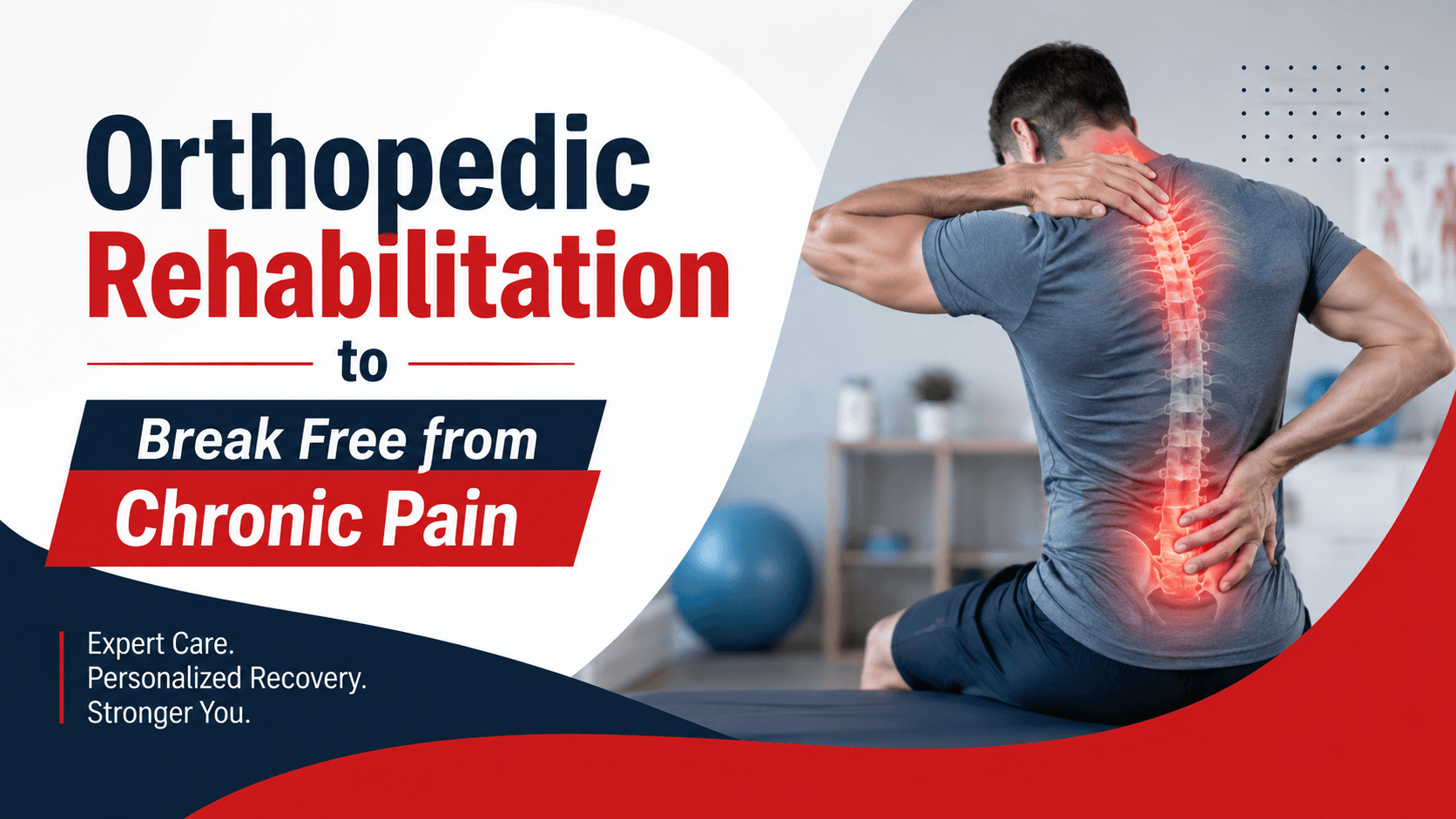
·Back and Neck Pain: Slouching or hunching strains the muscles and ligaments that support your spine, causing discomfort over time.
·Headaches: Tension in the neck and shoulders due to poor posture often triggers tension headaches.
·Reduced Lung Capacity: Slumping compresses the chest cavity, limiting lung expansion and oxygen intake.
·Mood and Energy Levels: Research shows that slouching may contribute to feelings of fatigue and low self-esteem, while good posture can boost confidence and energy.
Your spine will thank you later
Simple Adjustments to Improve Posture
Making small, consistent changes can significantly improve your posture and overall health. Here are some practical tips:
Mind Your Workspace
· If you work at a desk, ensure your chair supports the natural curve of your spine.
· Keep your computer screen at eye level and your keyboard and mouse within easy reach.
· Consider using a standing desk or taking frequent breaks to stretch.
Practice Active Sitting
· Avoid slouching by sitting upright with your shoulders relaxed and feet flat on the floor.
· Use a small cushion or lumbar roll to support your lower back.
· Stand tall with your feet shoulder-width apart, weight evenly distributed, and shoulders relaxed.
· Avoid locking your knees or tilting your pelvis forward.
Stay Mobile
· Prolonged sitting or standing can strain muscles. Set reminders to move every 30 minutes, even if it’s just a quick walk or stretch.
Sleep Smart
· Choose a mattress and pillow that support spinal alignment. Side sleepers should place a pillow between their knees, while back sleepers can benefit from a pillow under their knees.
Be Mindful
· Regularly check in with your body throughout the day. Are you slumping or craning your neck forward? Adjust as needed.
Improve Your Posture and Prevent Long-term Pain?
At Virginia’s Physical Therapy, our expert team specializes in orthopedic physical therapy, sports rehab, and post-surgery physical therapy to help you live pain-free. Whether you’re recovering from an injury or looking to enhance your overall health, our physical therapy clinic in Herndon, VA, offers personalized care tailored to your needs. Call now!
From injury recovery to improving strength and mobility, discover personalized physical therapy services at Virginia’s Physical Therapy clinics in Fairfax...
From injury recovery to improving strength and mobility, discover personalized physical therapy services at Virginia’s Physical Therapy clinics in Fairfax...
Take the first step toward feeling better. Our friendly team is ready to help you schedule your visit and begin a personalized therapy plan tailored to your goals.