Winter is a season of frosty landscapes, festive activities, and, unfortunately, an uptick in injuries. The icy sidewalks, slippery driveways, and snow-covered trails pose risks of slips, falls, and strains. Understanding the most common injuries during winter and how physical therapy can aid recovery is key to staying healthy and mobile during the colder months.
Common Winter Injuries
Sprains and Strains: Walking on icy surfaces often leads to ankle sprains or muscle strains. A misstep or sudden slip can stretch or tear the ligaments and muscles, causing pain and limited movement.
Fractures: Falls on hard, icy surfaces can lead to fractures, especially in the wrist, hip, and ankle. These injuries often require immobilization and significant recovery time.
Lower Back Injuries: Shoveling snow can strain the lower back muscles, leading to acute pain or worsening of chronic back conditions.
Frostbite and Cold-Induced Stiffness: While less related to direct trauma, cold weather can reduce blood flow to extremities, causing stiffness in joints and muscles.
Concussions: A slip on ice can result in a head injury, requiring careful monitoring and therapy for proper recovery.
Strains and sprains? Physical therapy to the rescue
How Physical Therapy Can Help
Physical therapy is an essential part of recovering from winter injuries. Through a combination of treatments tailored to the type and severity of injury, physical therapists can help patients regain strength, mobility, and function while minimizing pain.
1. Manual Therapy
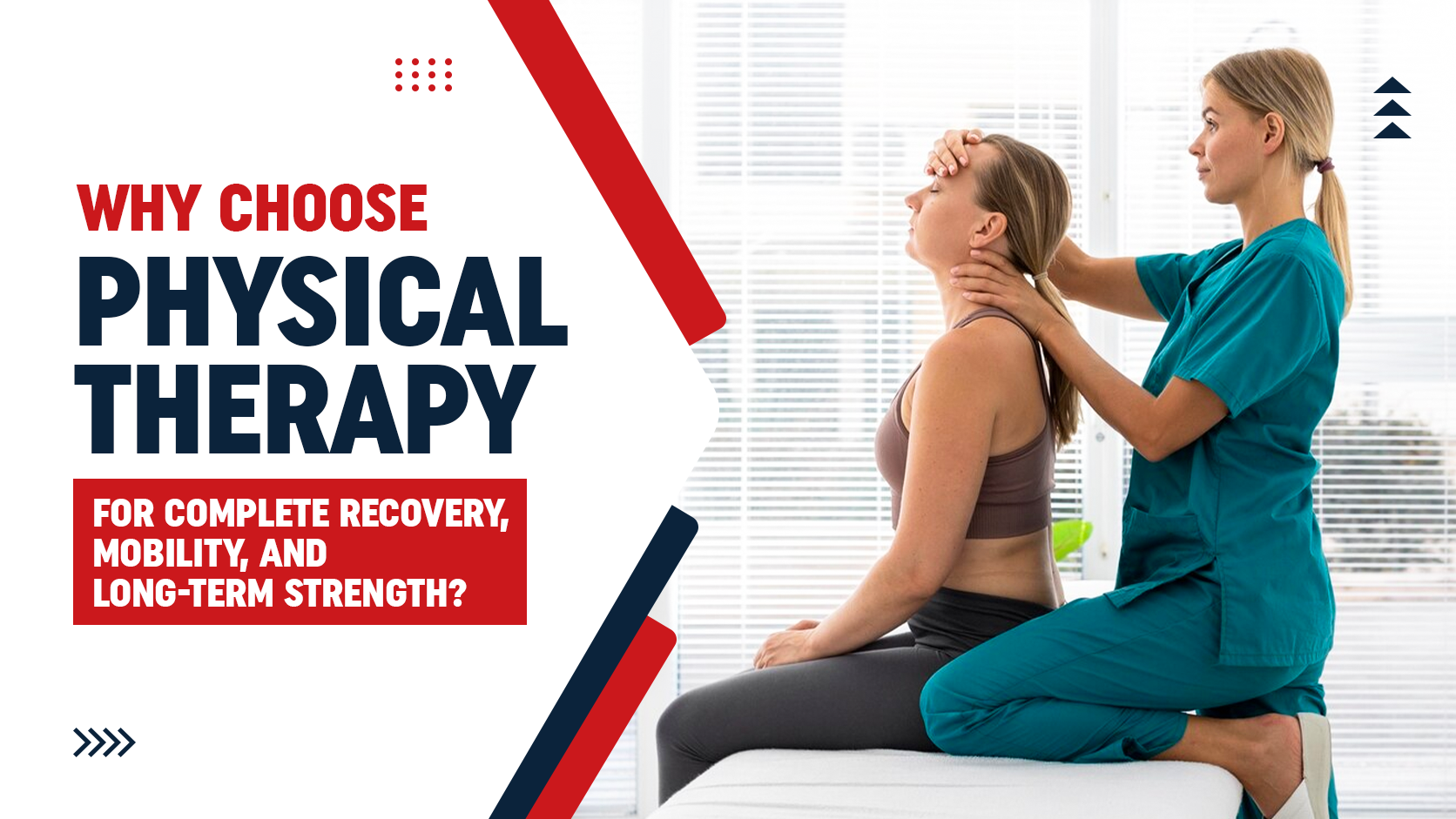
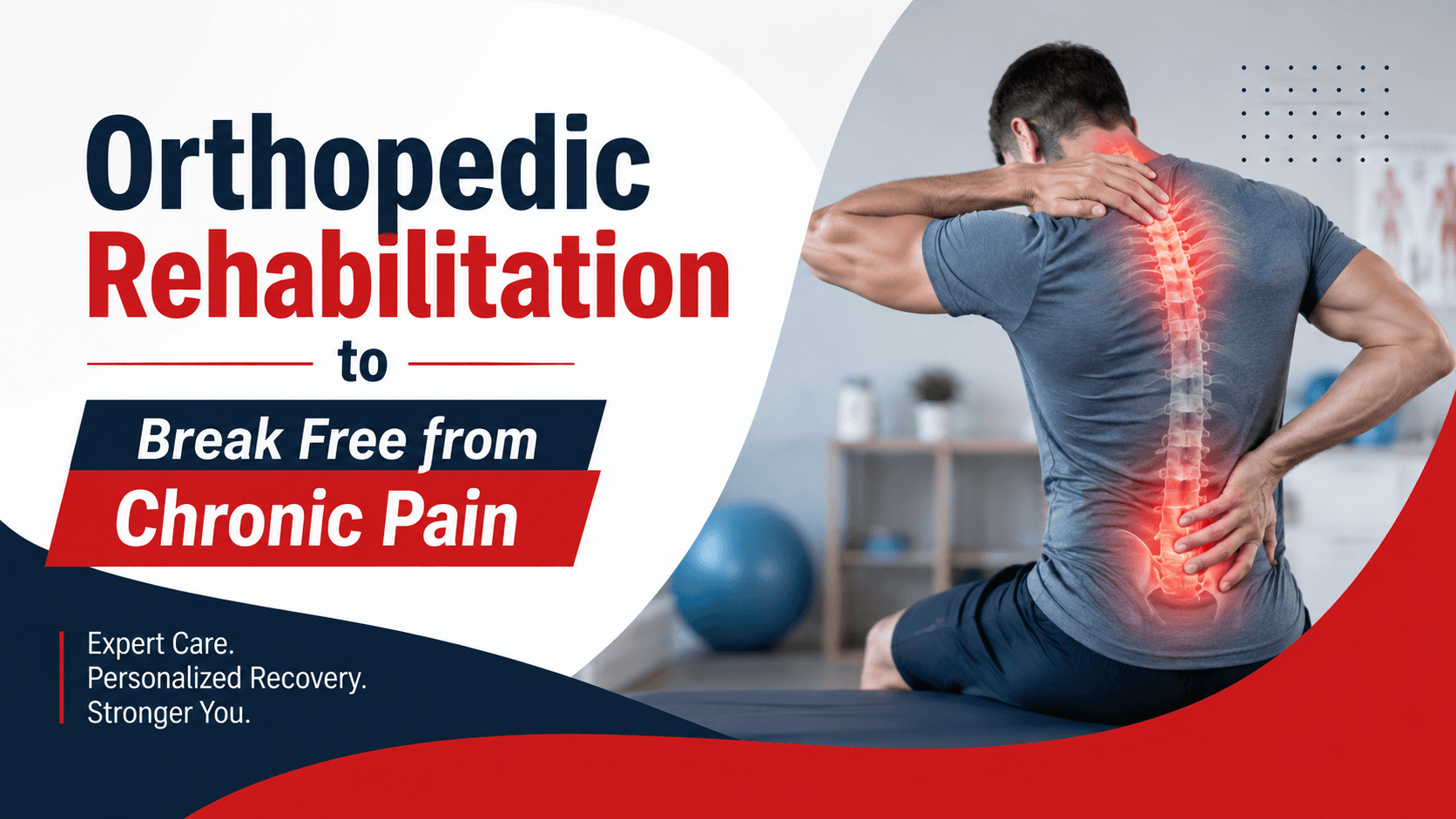
For sprains, strains, and stiffness, manual therapy techniques such as joint mobilizations, soft tissue massage, and stretching help reduce pain and improve mobility. These hands-on methods promote healing by increasing blood flow to the affected area.
2. Exercise Therapy
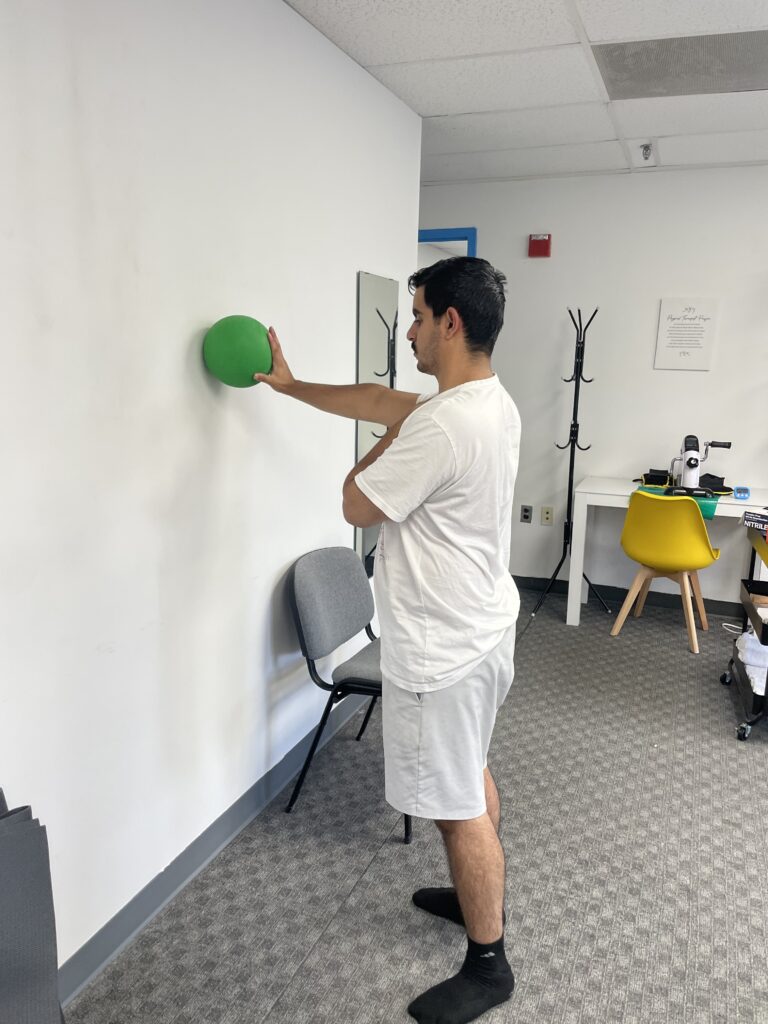
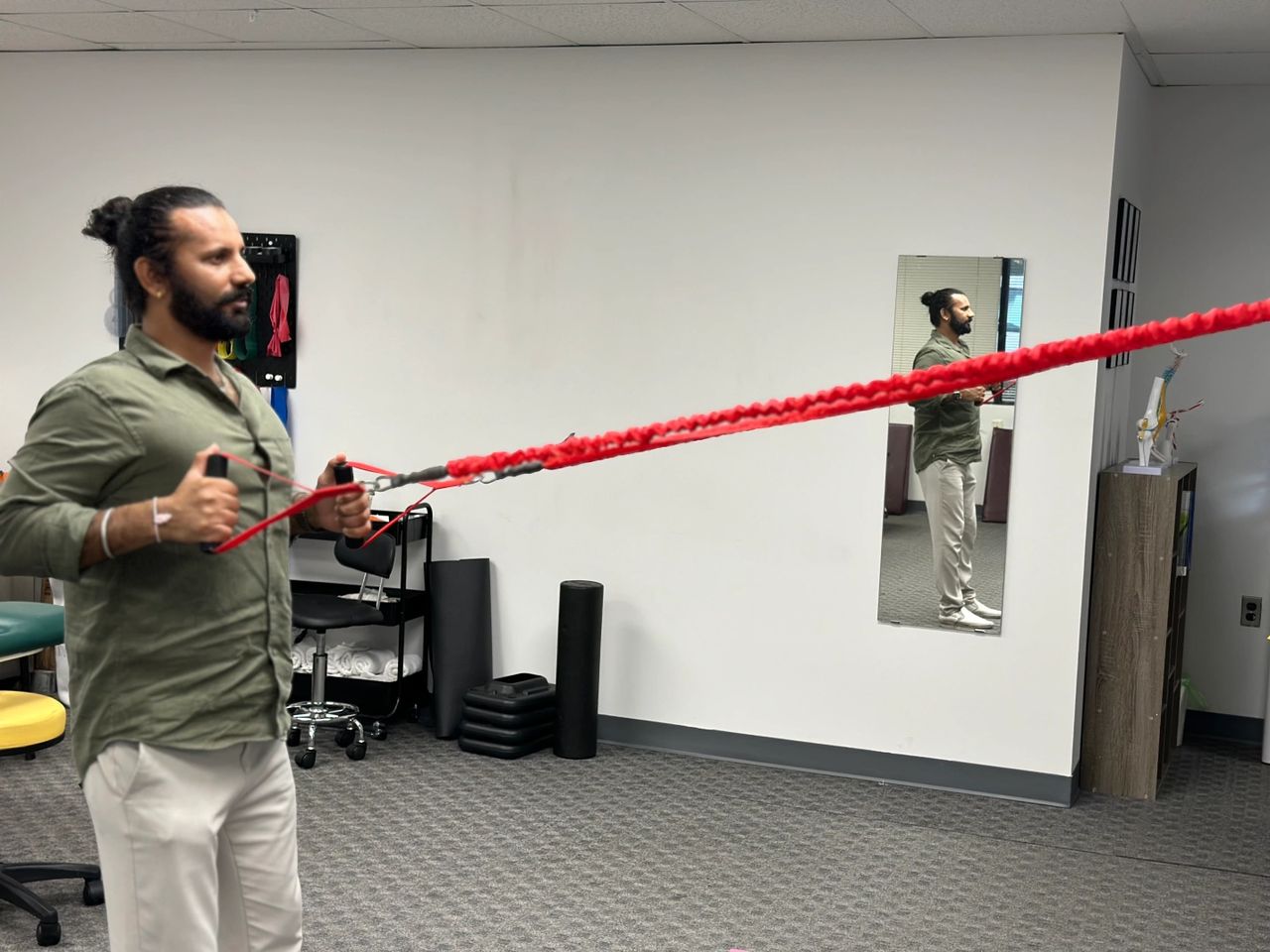
A cornerstone of physical therapy, exercise therapy focuses on strengthening weakened muscles and restoring balance. After an ankle sprain or back injury, targeted exercises improve stability and prevent re-injury. For patients recovering from fractures, therapists design weight-bearing exercises to restore bone strength progressively.
3. Heat and Cold Therapy
For cold-induced stiffness or acute injuries, heat and cold therapy is commonly used. Heat improves circulation and relaxes tight muscles, while cold therapy reduces swelling and numbs pain in the initial stages of injury.
4. Balance Training
Slips and falls are often caused by poor balance. Physical therapists use balance training exercises like single-leg stands and proprioceptive training to improve stability. These exercises reduce the risk of future falls and build confidence in navigating icy terrain.
5. Post-Surgical Rehabilitation
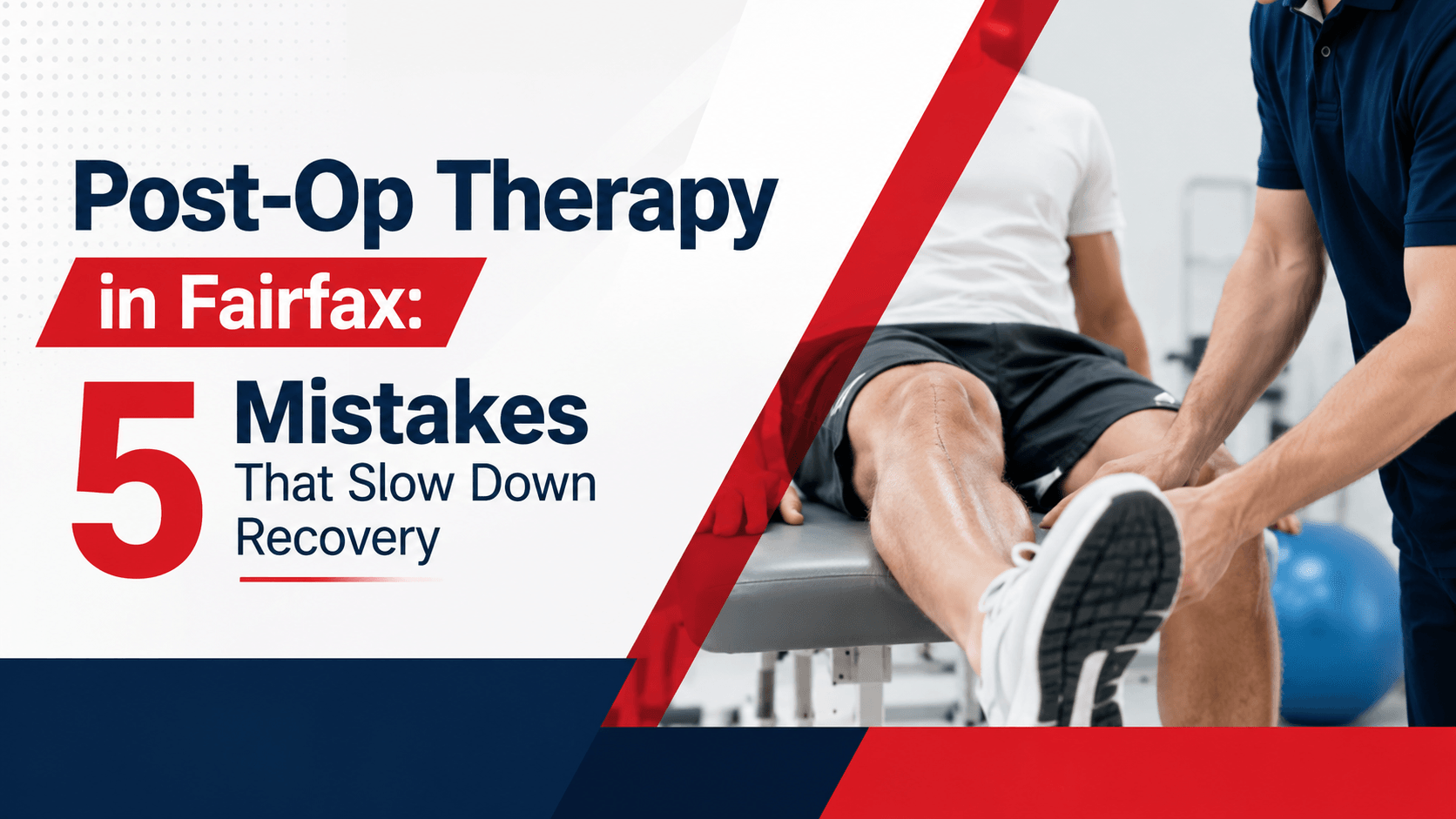
Fractures requiring surgery demand a structured recovery process. Physical therapists work with patients to regain mobility, rebuild strength, and safely return to normal activities.
Recover From Your Winter Injury and Get Back to Feeling Your Best
At Virginia Physical Therapy’s rehab outpatient clinic in Herndon, VA, we specialize in personalized care, from post-surgical physical therapy to orthopedic rehabilitation and more. Whether you’re dealing with a sprain, fracture, or balance issue, our experienced team is here to guide you every step of the way. Contact us today to schedule your appointment!
From injury recovery to improving strength and mobility, discover personalized physical therapy services at Virginia’s Physical Therapy clinics in Fairfax...
From injury recovery to improving strength and mobility, discover personalized physical therapy services at Virginia’s Physical Therapy clinics in Fairfax...
Take the first step toward feeling better. Our friendly team is ready to help you schedule your visit and begin a personalized therapy plan tailored to your goals.