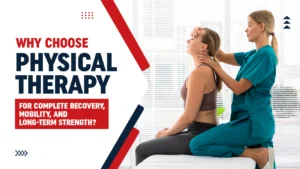
Physical therapy (PT) is more than just exercises and stretches—it’s a structured journey designed to restore function, alleviate pain, and improve overall quality of life. Whether you’re recovering from surgery, managing a chronic condition, or rehabilitating an injury, understanding the phases of physical therapy can help you better navigate your path to recovery.
Let’s explore these phases and what you can expect along the way.
1. Acute Phase: Managing Pain and Inflammation
The first stop on the rehab roadmap is the acute phase, which typically begins immediately following an injury or surgery. The primary goal during this stage is to reduce pain and inflammation. Here’s what this phase involves:
· Rest and Protection: Limiting movement to avoid further injury while using support devices like braces, slings, or crutches if necessary.
· Modalities for Pain Relief: Therapists often use methods such as ice, heat, ultrasound, or electrical stimulation to decrease pain and swelling.
· Gentle Range of Motion (ROM) Exercises: Initial movements are aimed at maintaining joint flexibility without straining the injured area.
During this phase, your therapist will focus on educating you about your injury, proper posture, and body mechanics to prevent exacerbation.
2. Sub-Acute Phase: Restoring Movement and Strength
As pain and swelling decrease, you’ll transition to the sub-acute phase, typically lasting from a few days to several weeks, depending on your condition. This phase focuses on restoring range of motion and beginning to rebuild strength.
· Controlled Exercise: You’ll start with low-impact activities like light stretching, stationary cycling, or water exercises to safely improve joint mobility and muscle strength.
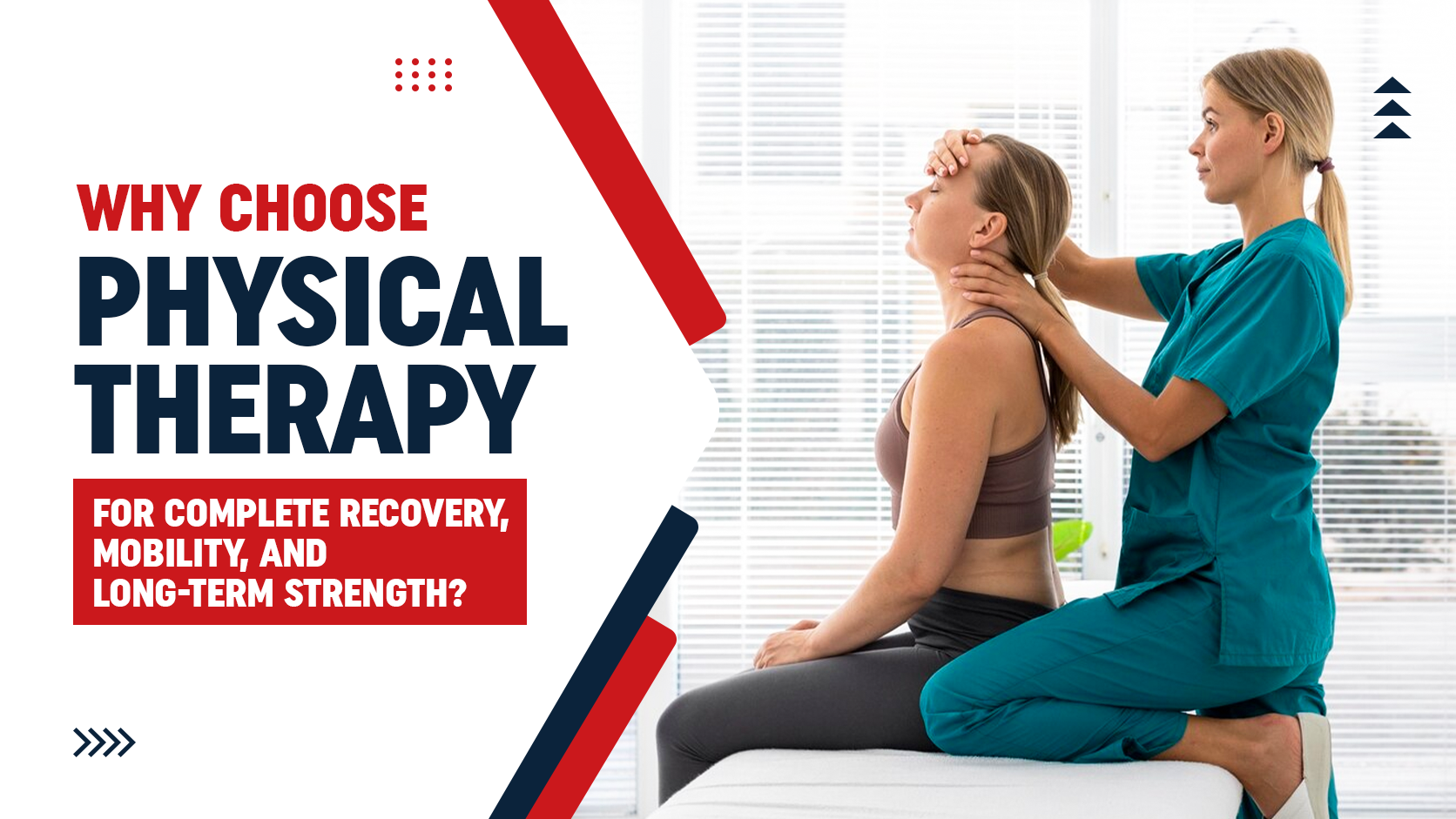
· Manual Therapy: Techniques like soft tissue massage or joint mobilization may be used to improve flexibility and reduce stiffness.
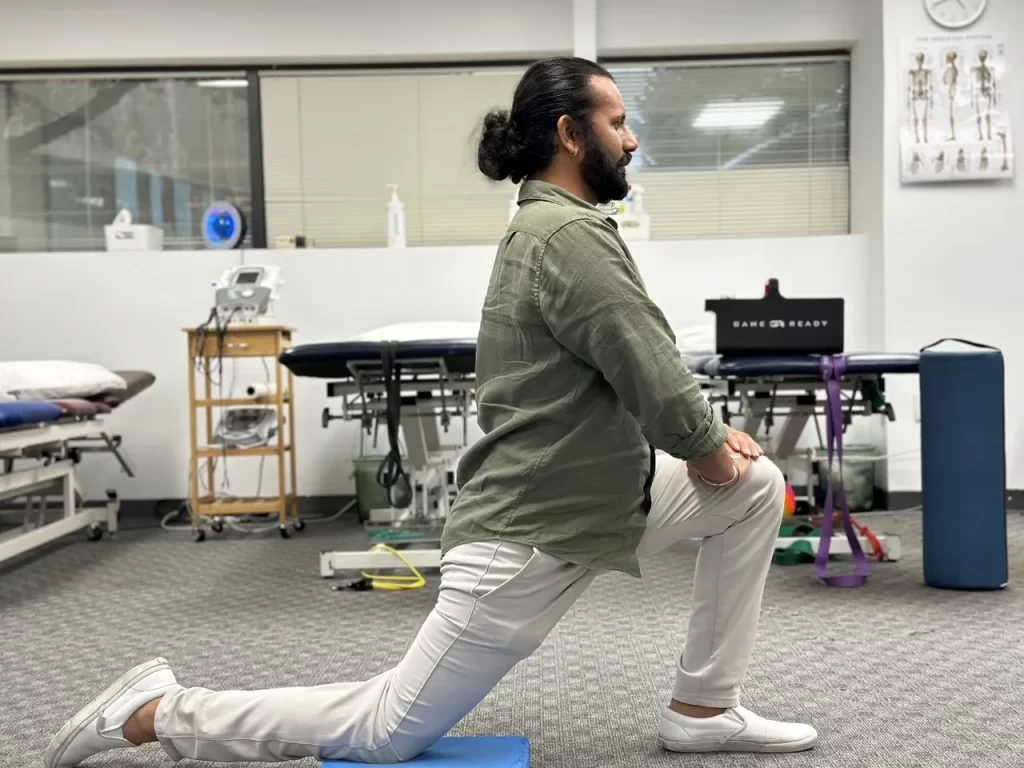
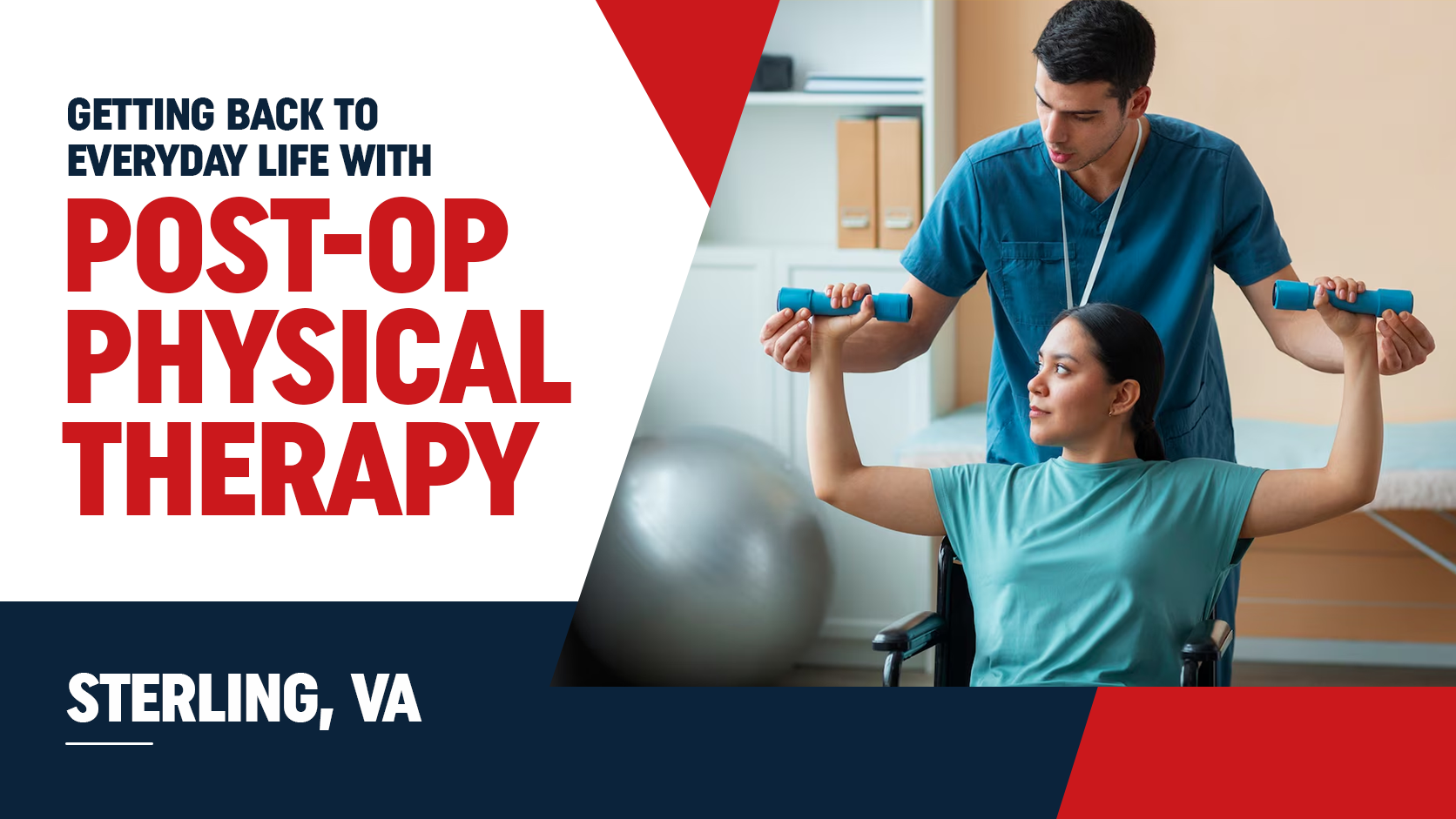
· Progressive Strength Training: Gradually, you’ll incorporate resistance exercises tailored to your injury or surgery. This may include light weights, resistance bands, or body-weight exercises.
Patience is key during this phase. Progress can be slow, but every step is a crucial building block toward full recovery.

3. Rehabilitation Phase: Functional Training
In the rehabilitation phase, the focus shifts to more functional and specific training. This phase can last several weeks to months, depending on your injury or surgery and your body’s response to therapy.
· Advanced Strength Training: Exercises become more challenging, targeting muscle groups essential for your daily activities and sports.
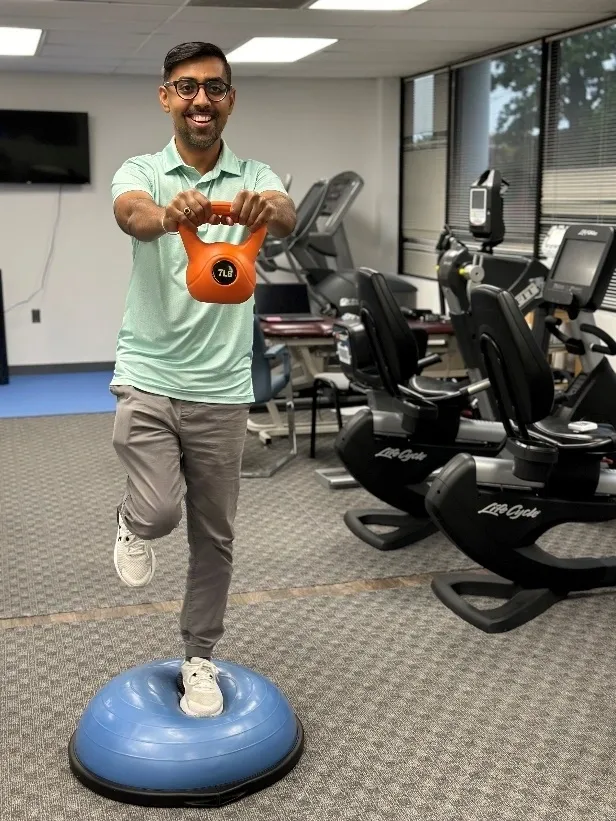
· Dynamic Movement Training: You’ll engage in exercises that replicate real-life movements. This can include balance training, agility drills, and plyometric exercises for athletes.
· Proprioception and Neuromuscular Re-education: Techniques to improve coordination and balance, helping to prevent re-injury.
Your therapist will closely monitor your progress and adjust your program to ensure you’re on the right track.
4. Maintenance and Prevention Phase: Return to Activity
The final phase is all about maintaining your progress and preventing future injuries. You’ve put in the work, and now it’s time to reintegrate into your normal routine—safely.
· Gradual Return to Activities: You’ll slowly reintroduce activities, whether it’s returning to work, sports, or other hobbies, with a focus on maintaining proper form and avoiding re-injury.
· Home Exercise Program: Your therapist will provide a set of exercises to continue at home, ensuring your gains are sustained.
· Ongoing Support and Adjustments: Periodic check-ins with your therapist can help address any concerns and adjust your program as needed.
Begin Your Personalized Rehabilitation Journey
At Virginia’s Physical Therapy, our physical therapy clinic in Herndon offers expert care tailored to your needs, from post-surgical physical therapy to specialized sports rehab. Whether you need orthopedic rehabilitation or concussion therapy, our dedicated team is here to guide you through every phase of recovery.
Contact us today!