Injuries can be a frustrating setback, whether you’re an athlete, a weekend warrior, or someone recovering from a workplace accident. While the initial healing process is crucial, preventing re-injuries during rehab progression is equally important.
This guide will walk you through a structured approach to ensure a safe and effective return to your normal activities.
Step 1: Initial Assessment and Goal Setting
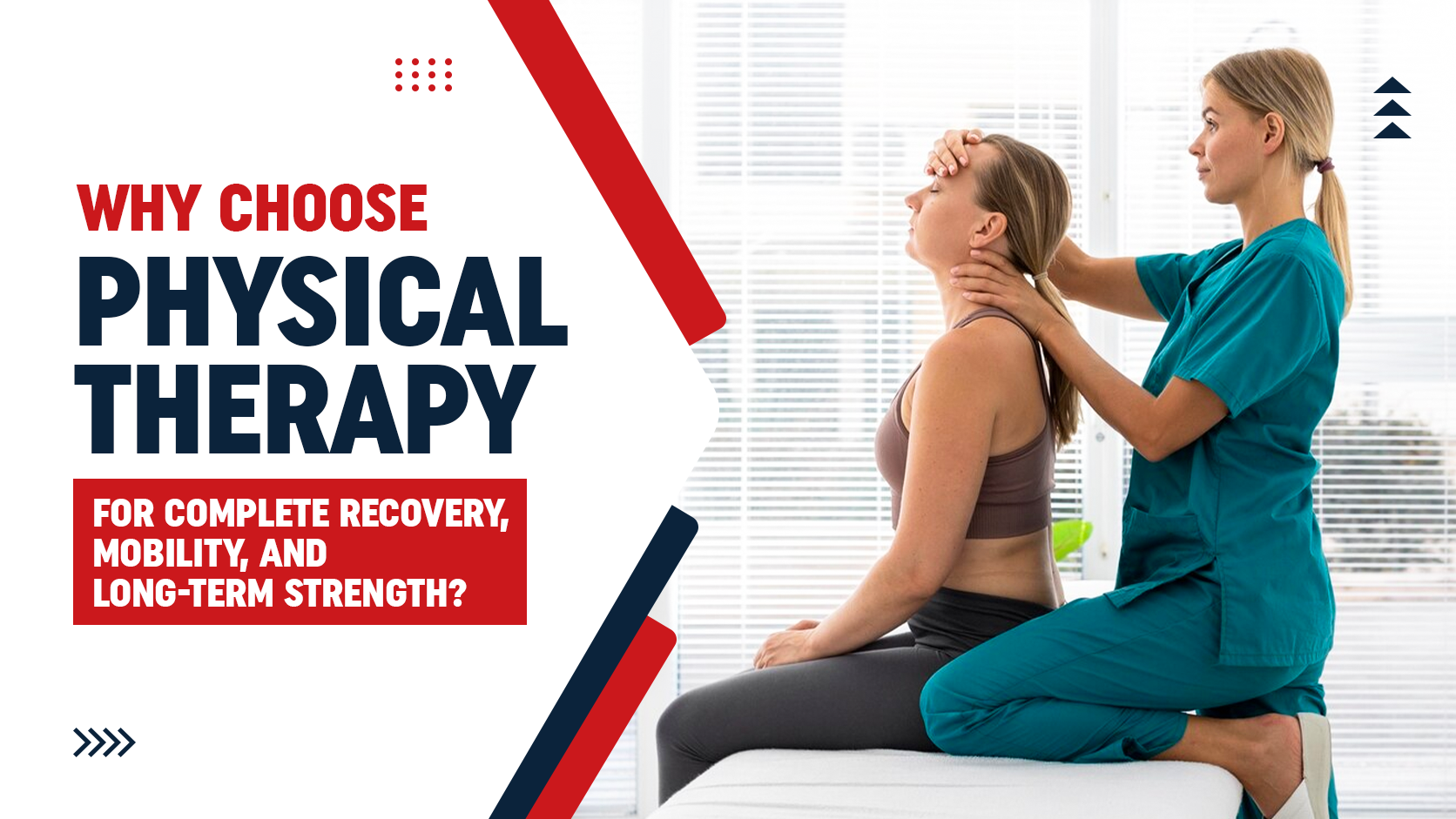
Every rehabilitation journey should begin with a comprehensive assessment by a healthcare professional. This will help identify the injury’s severity and any contributing factors (like muscle imbalances or poor biomechanics) and set realistic short- and long-term goals.
Key Actions
o Consult a physiotherapist or sports medicine specialist.
o Assess range of motion, strength, and functional limitations.
o Establish clear recovery milestones and timeline expectations.
Step 2: Early-Stage Rehab – Regaining Mobility and Stability
The first phase of rehab focuses on reducing pain and swelling, restoring mobility, and maintaining stability around the injured area. This phase typically involves low-impact activities and gentle movements.
Key Exercises
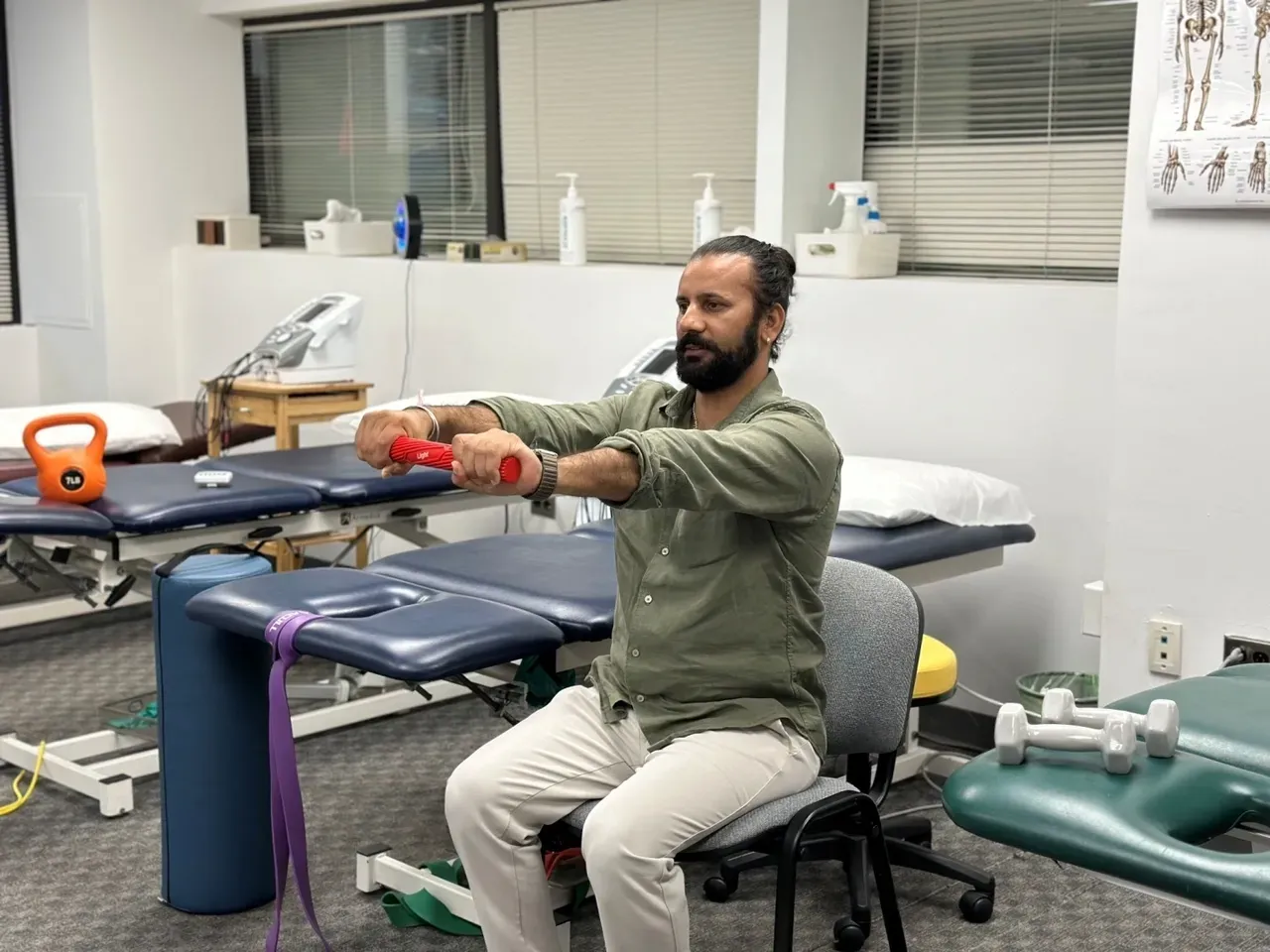
o Range of Motion (ROM) Exercises: Gentle movements to restore normal ROM without pushing into pain.
o Isometric Exercises: Strengthening muscles without moving the joint, such as holding a static plank.
o Balance and Proprioception Training: Simple balance exercises to re-engage, stabilize muscles and improve body awareness.
Progression Tips
o Avoid painful movements.
o Increase the duration and intensity of exercises as tolerated.
o Monitor for signs of overtraining (e.g., increased pain or swelling).

Step 3: Mid-Stage Rehab – Building Strength and Endurance
Once pain and swelling are under control and basic mobility is restored, the next step is to build strength and endurance in the muscles and tissues surrounding the injured area.
Key Exercises
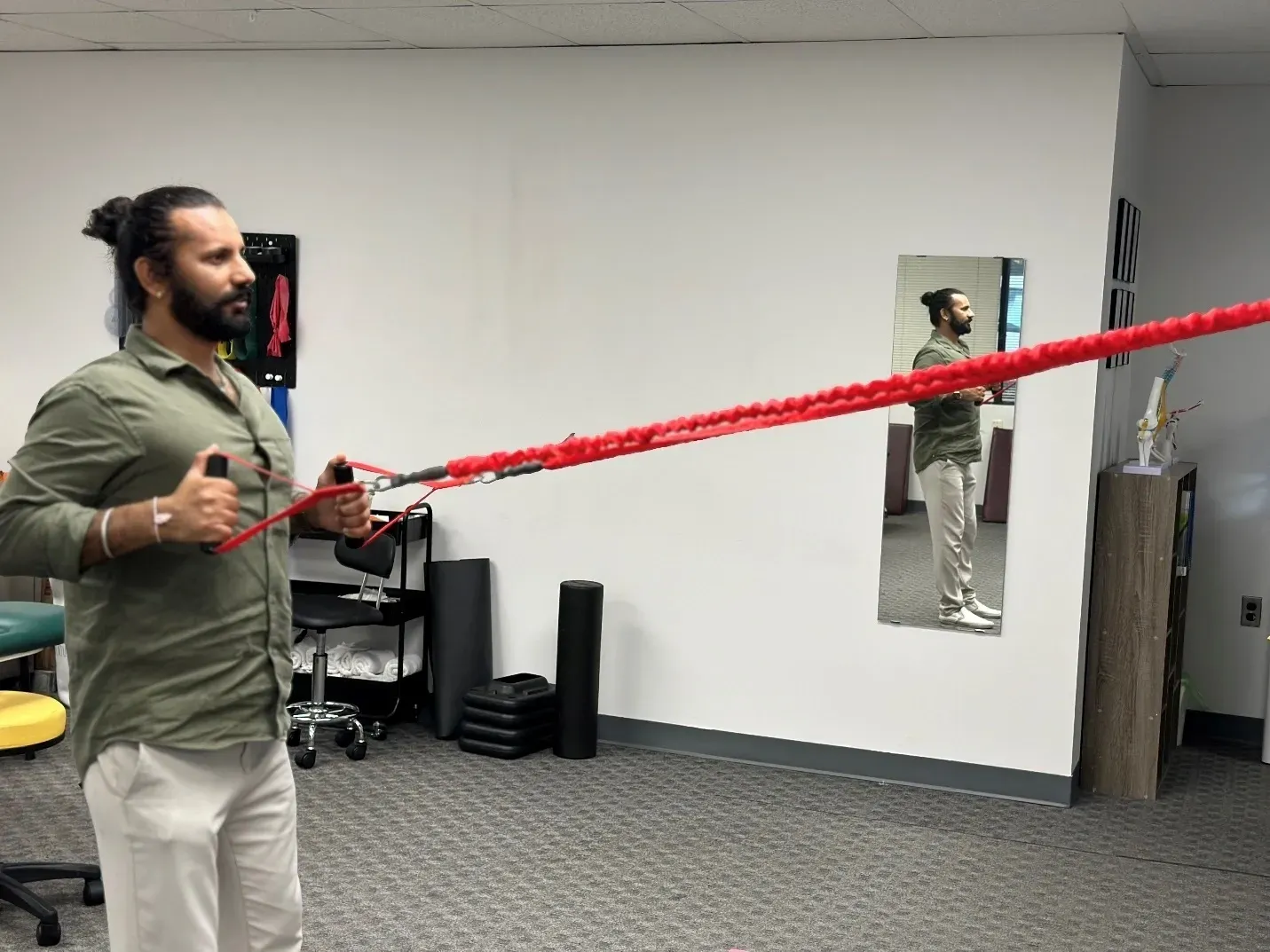
o Resistance Training: Begin with bodyweight exercises, then progress to using light weights or resistance bands.
o Functional Movements: Focus on movements that mimic daily activities or sport-specific actions.
o Cardiovascular Conditioning: Low-impact activities like cycling or swimming to maintain fitness without stressing the injury.
Progression Tips
o Increase resistance gradually to prevent overloading.
o Integrate multi-joint exercises like squats or lunges for functional strength.
o Continue to incorporate balance and proprioception work.
Step 4: Advanced Rehab – Enhancing Power and Agility
As strength and endurance improve, the focus shifts to more dynamic movements that challenge power, speed, and agility. This phase is crucial for athletes or anyone looking to return to high-intensity activities.
Key Exercises
o Plyometric Drills: Jumping, hopping, or bounding exercises to develop explosive power.
o Agility Drills: Ladder drills or cone drills to enhance quick directional changes.
o Sport-Specific Training: Simulate the demands of your sport or activity through tailored drills.
Progression Tips
o Start with low-impact plyometrics before progressing to more intense movements.
o Ensure proper technique and control throughout exercises.
o Monitor fatigue levels closely to avoid overuse injuries.
Take Your Rehab to the Next Level and Prevent Re-Injuries
At Virginia’s Physical Therapy, we offer comprehensive services like orthopedic rehabilitation and sports physical therapy in Herndon, VA, to help you safely progress through every stage of recovery. Visit our rehab outpatient clinic to get personalized care and achieve your goals.
Contact us today to start your journey.