
Healing After Surgery – Why Post-Operative Rehab Matters for Full Recovery
Healing After Surgery – Why Post-Operative Rehab Matters for Full Recovery March 19, 2026 Jekin Vyas physical therapy knee surgery...
Read More → 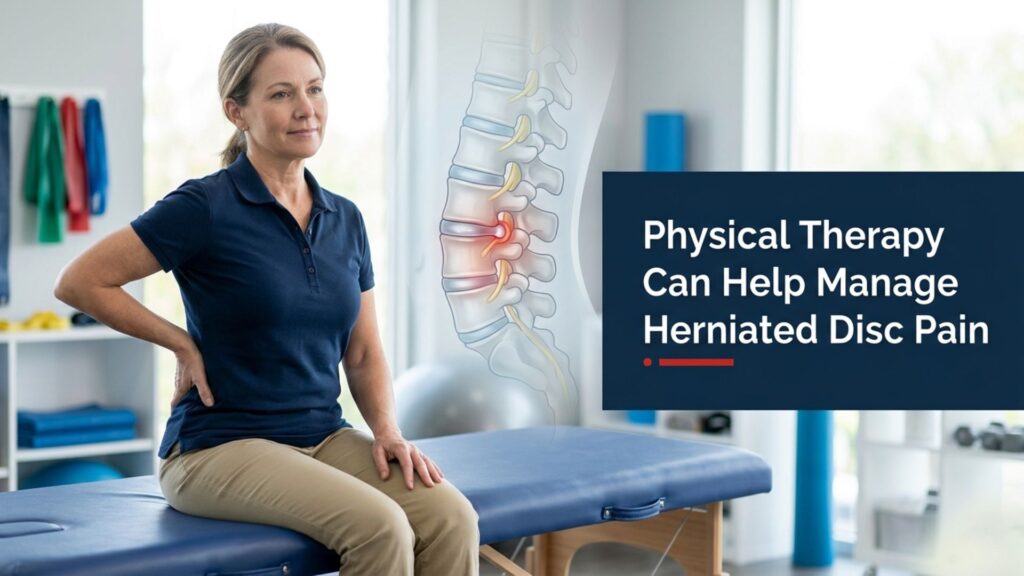
Back pain can disrupt nearly every part of daily life. Simple tasks like sitting, bending, or even sleeping can become uncomfortable when the spine is affected. One of the most common causes of persistent back pain is a herniated disc. Many people immediately assume surgery is the only solution. However, in many cases, structured physical therapy can significantly improve symptoms and help the body heal naturally.
If you are searching for orthopedic physical therapy in Fairfax, understanding how physical therapy helps manage a herniated disc can guide you toward effective, non-surgical recovery options.
The spine consists of small bones called vertebrae, separated by soft discs that act as cushions. These discs absorb shock and allow the spine to move smoothly. Each disc has a tough outer layer and a soft inner gel-like centre.
A herniated disc occurs when the inner portion pushes through the outer layer. This protrusion can press on nearby nerves, causing pain, numbness, tingling, or weakness in areas such as the back, neck, arms, or legs.
Many herniated discs occur in the lower back, although they can also develop in the neck. Symptoms may range from mild discomfort to severe nerve pain that radiates down the leg, commonly known as sciatica.
Several factors can contribute to disc damage. In many cases, the problem develops gradually due to wear and tear over time.
Common causes include:
As people age, spinal discs lose hydration and elasticity, making them more vulnerable to tears.
Lifting heavy objects with poor posture can place excessive pressure on spinal discs.
Jobs or activities involving frequent bending, twisting, or lifting can strain the spine.
Car accidents, falls, or sports injuries can cause immediate disc damage.
When supporting muscles around the spine are weak, discs must absorb greater stress during movement.
Because these causes often develop gradually, early intervention through orthopedic rehabilitation in Chantilly or the surrounding areas can help prevent symptoms from worsening.
Physical therapy does not always “push” the disc back into place, but it can reduce pressure on the affected nerve, strengthen supporting muscles, and restore normal movement patterns. For many patients, these improvements significantly reduce pain and allow the body to recover without surgery.
Research shows that conservative treatment, including physical therapy, is often the first recommended step before considering surgical options.
A comprehensive treatment plan may include:
Strengthening the core and back muscles improves spinal stability and reduces pressure on the damaged disc.
Hands-on treatment performed by licensed therapists helps improve joint mobility and reduce muscle tension.
Many patients develop harmful movement patterns that aggravate spinal stress. Physical therapists help correct these habits.
Treatments such as dry needling, stretching, and neuromuscular re-education can reduce nerve irritation and improve function.
Patients searching for orthopedic rehab nearby often find that consistent therapy sessions combined with home exercises significantly improve their recovery timeline.
Recovery varies depending on the severity of the condition, the patient’s overall health, and how early treatment begins.
Many individuals begin noticing improvements within several weeks of structured therapy. A typical rehabilitation program may last between six and twelve weeks, although some cases may require longer care.
Early treatment is particularly important because untreated disc problems can worsen and lead to chronic nerve irritation. Clinics specialising in joint pain treatment in McLean and surrounding regions frequently focus on early intervention to reduce long-term complications.
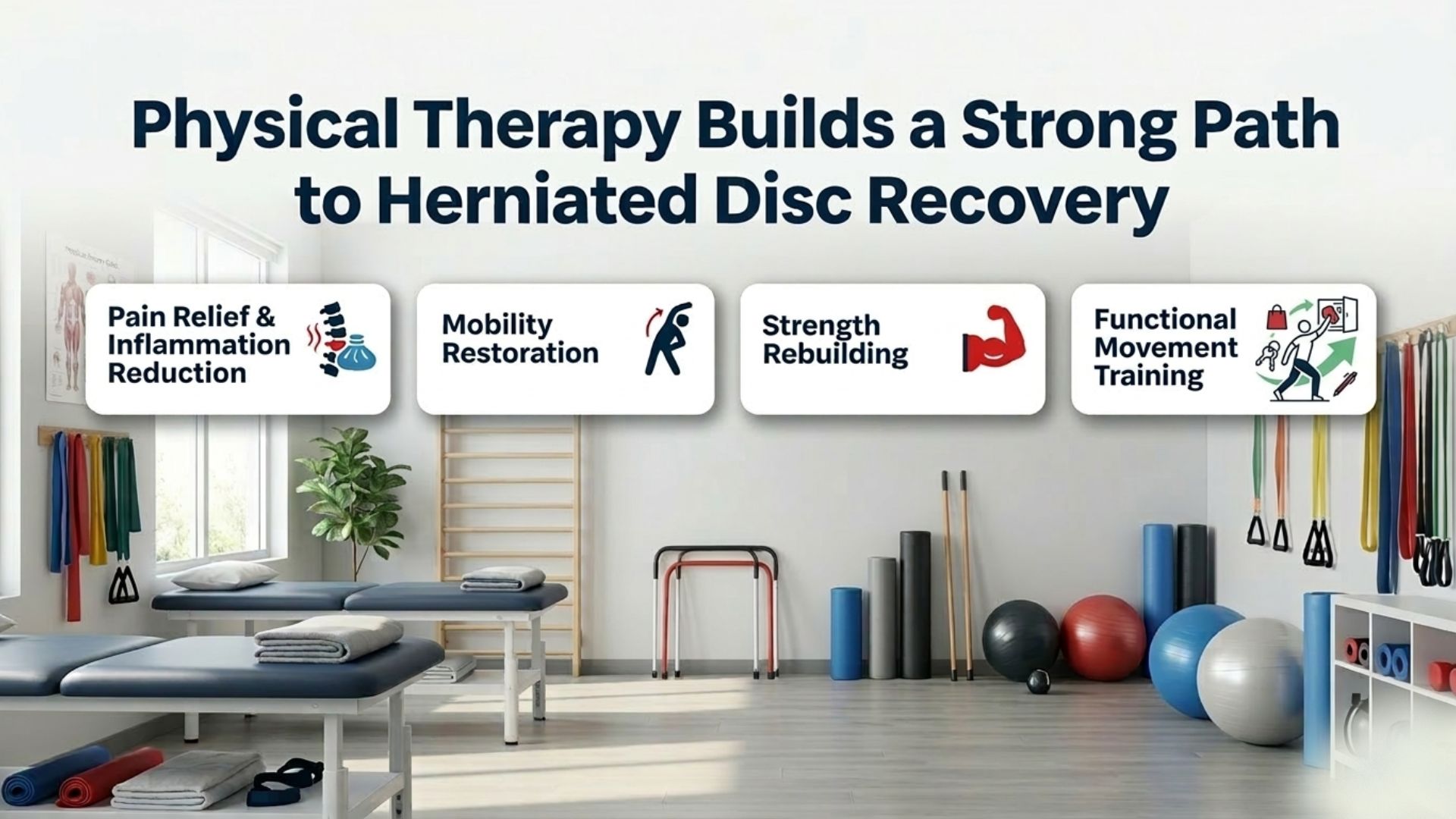
A qualified therapist begins with a detailed evaluation to understand the patient’s symptoms, mobility limitations, and lifestyle factors. This allows the therapist to design a personalised recovery plan.
Treatment often progresses through several stages:
Initial sessions focus on reducing pain and nerve irritation through gentle techniques and therapeutic exercises.
As symptoms improve, therapy shifts toward restoring flexibility and spinal movement.
Targeted exercises strengthen the muscles supporting the spine, including the core, hips, and lower back.
Patients learn safer ways to lift, bend, sit, and move during daily activities.
Patients visiting a trusted physical therapy clinic in Fairfax often benefit from structured programs that combine hands-on treatment with modern rehabilitation techniques.
If you experience persistent back pain, tingling in your arms or legs, or difficulty performing everyday movements, seeking professional guidance early can make a significant difference.
You should consider professional care if:
A licensed therapist can determine whether physical therapy alone is sufficient or if additional medical evaluation is required.
At Virginia’s Physical Therapy, patients receive personalised care designed to restore mobility, reduce pain, and support long-term recovery.
With clinics in Herndon and Fairfax, the team provides evidence-based rehabilitation programs tailored to each individual’s needs. Licensed therapists offer one-on-one sessions, modern treatment technology, and hands-on techniques that help patients recover safely and effectively.
Whether you are dealing with a herniated disc, recovering from surgery, or managing chronic pain, Virginia’s Physical Therapy focuses on personalized treatment plans that help you move better and live stronger.
Yes. Many herniated discs improve with conservative treatment such as physical therapy, exercise, and lifestyle changes.
Therapy is designed to reduce pain, not increase it. Exercises and treatments are carefully adjusted to match each patient’s comfort level.
If back pain persists for several weeks, limits daily movement, or causes nerve symptoms like numbness or tingling, consulting a physical therapist can help determine the best treatment plan.
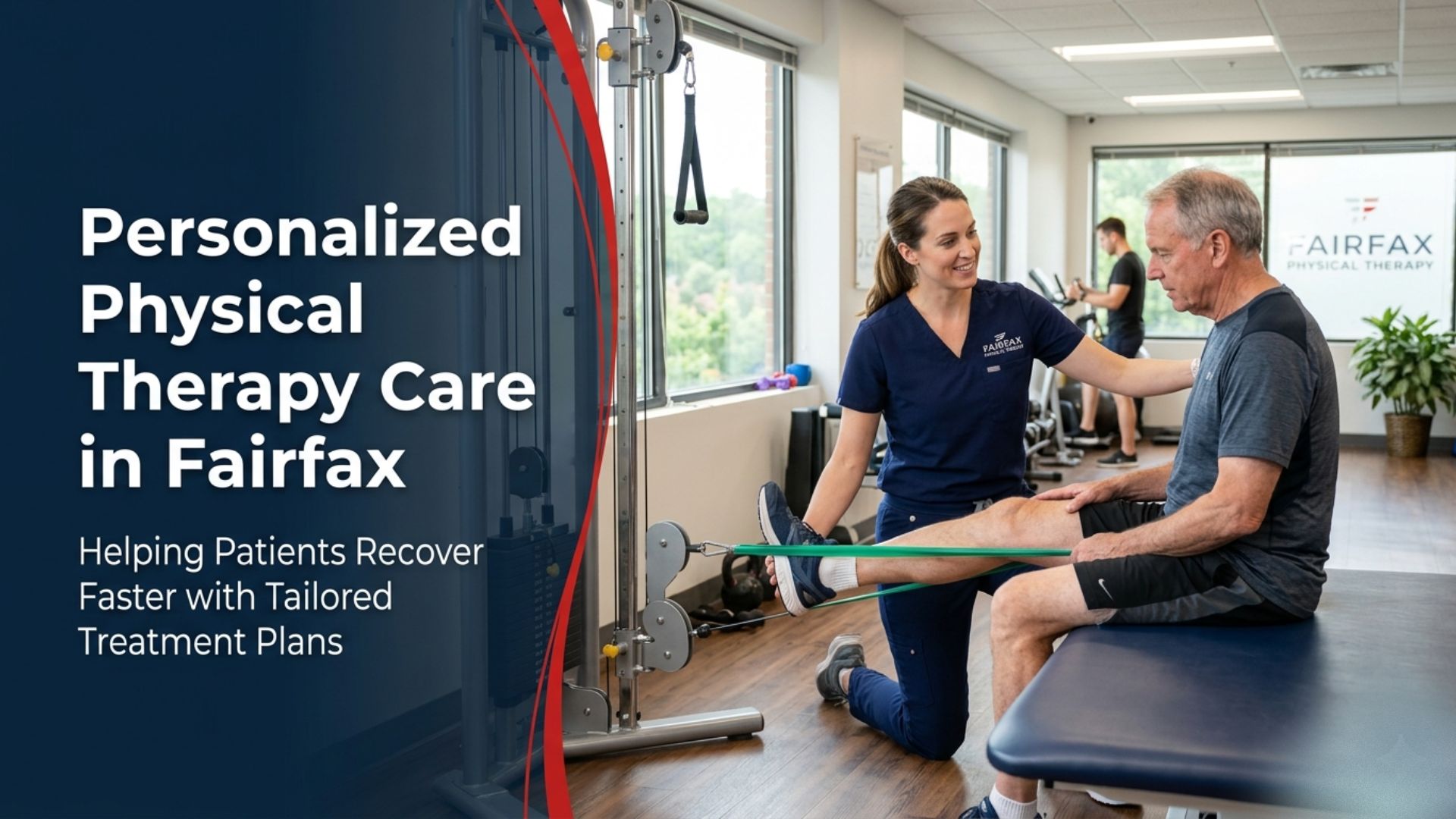


Take the first step toward feeling better. Our friendly team is ready to help you schedule your visit and begin a personalized therapy plan tailored to your goals.