
The Complete Guide to Sports Recovery Herndon, VA for Active Adults and Athletes
The Complete Guide to Sports Recovery Herndon, VA for Active Adults and Athletes February 10, 2026 Jekin Vyas physical therapy...
Read More → If you’re wondering, “How long does physical therapy take?” you’re not alone. Many patients seek clarity on the length of their treatment plans as they embark on their recovery journey. While the answer can vary depending on several factors, understanding a general timeline can help set realistic expectations.
1. Injury Type and Severity: The more severe the injury, the longer recovery typically takes. For instance, post-surgical rehab or severe sports injuries may require a longer treatment timeline compared to mild strains or sprains.
2. Individual Response to Therapy: Each person heals at their own pace. Some patients respond quickly to treatments, while others may require more time to regain full mobility and strength.
3. Consistency in Following Your Treatment Plan: Attending scheduled appointments and performing at-home exercises consistently plays a huge role in your recovery speed. The more diligent you are, the more efficiently your body will heal.
4. Your Overall Health and Fitness Level: Individuals in good overall health with strong muscles and cardiovascular conditioning may see faster recovery times than those who are sedentary or have other health conditions that can slow down healing.
· Acute Injuries (e.g., sprains, strains): For minor injuries, physical therapy often lasts about 4 to 6 weeks. During this time, therapists will work on reducing pain, improving flexibility, and restoring strength.
· Post-Surgical Rehabilitation: Recovery after surgery can take anywhere from 8 to 12 weeks or longer, depending on the procedure. Surgeries like knee replacements or rotator cuff repairs generally require longer periods of therapy to regain full function.
· Chronic Conditions (e.g., arthritis, chronic back pain): Managing long-term conditions can mean an ongoing relationship with your physical therapist. While you may see improvements within the first 8 to 12 weeks, continued therapy may be needed to maintain or further progress.
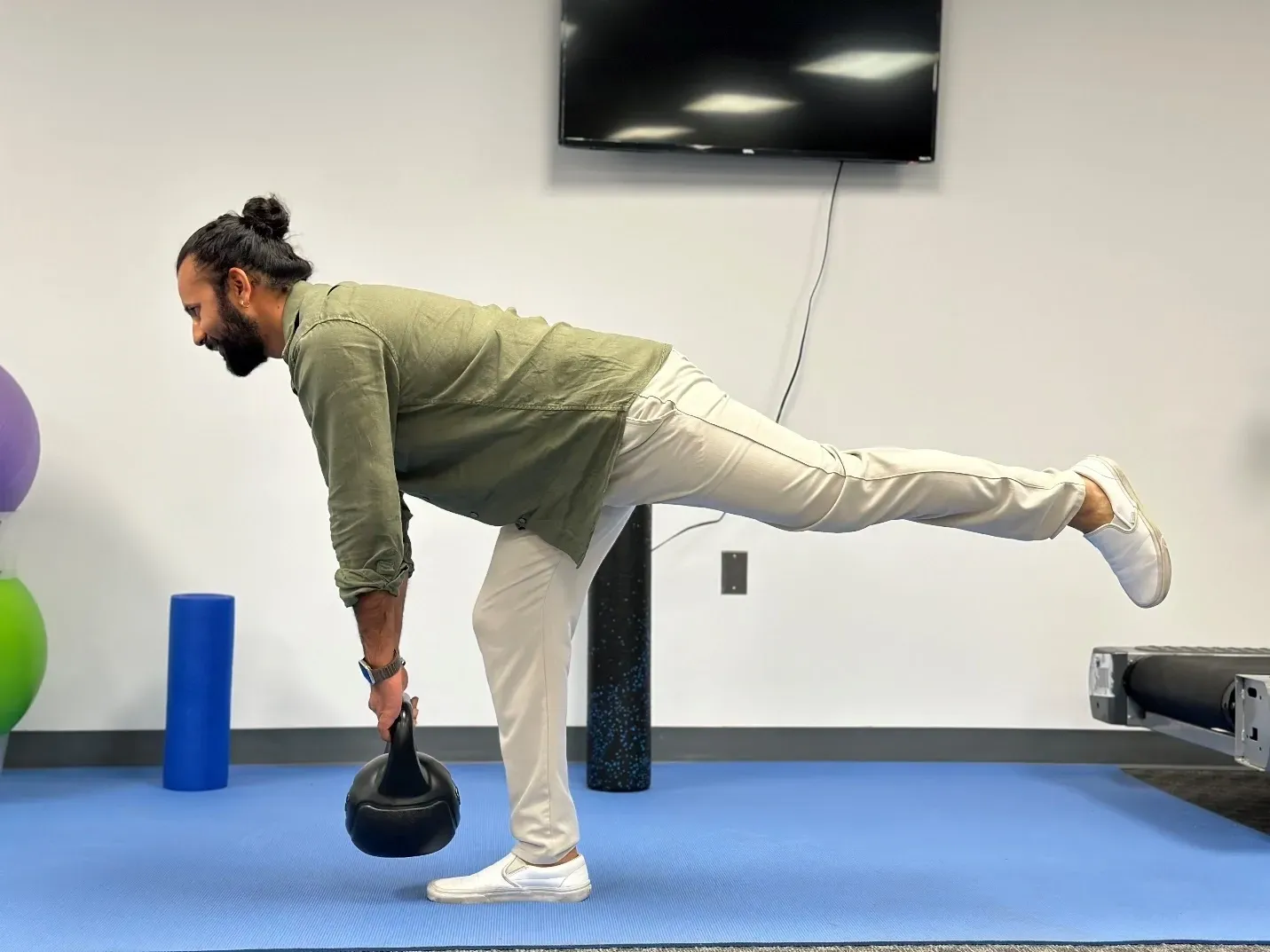
Physical therapy is a fluid process, and progress should be regularly assessed. Your therapist will adjust your treatment plan as you make gains in strength, flexibility, and pain reduction. If you’re progressing well, your treatment may be shortened. However, if you’re struggling with setbacks, your plan might extend beyond the original timeline.
· Stay Consistent: Follow your therapist’s recommendations and attend all your scheduled appointments.
· Do Your Homework: Complete any at-home exercises provided by your therapist. These exercises are critical for maintaining progress between sessions.
· Rest and Nutrition: Proper rest and nutrition support your body’s healing process. Adequate sleep and a balanced diet rich in protein, vitamins, and minerals are essential.
At Virginia’s Physical Therapy, our expert team provides personalized care, from post-surgical physical therapy in Herndon and orthopedic rehabilitation to sports physical therapy.
Contact our physical therapy clinic in Herndon.





Take the first step toward feeling better. Our friendly team is ready to help you schedule your visit and begin a personalized therapy plan tailored to your goals.