
The Complete Guide to Sports Recovery Herndon, VA for Active Adults and Athletes
The Complete Guide to Sports Recovery Herndon, VA for Active Adults and Athletes February 10, 2026 Jekin Vyas physical therapy...
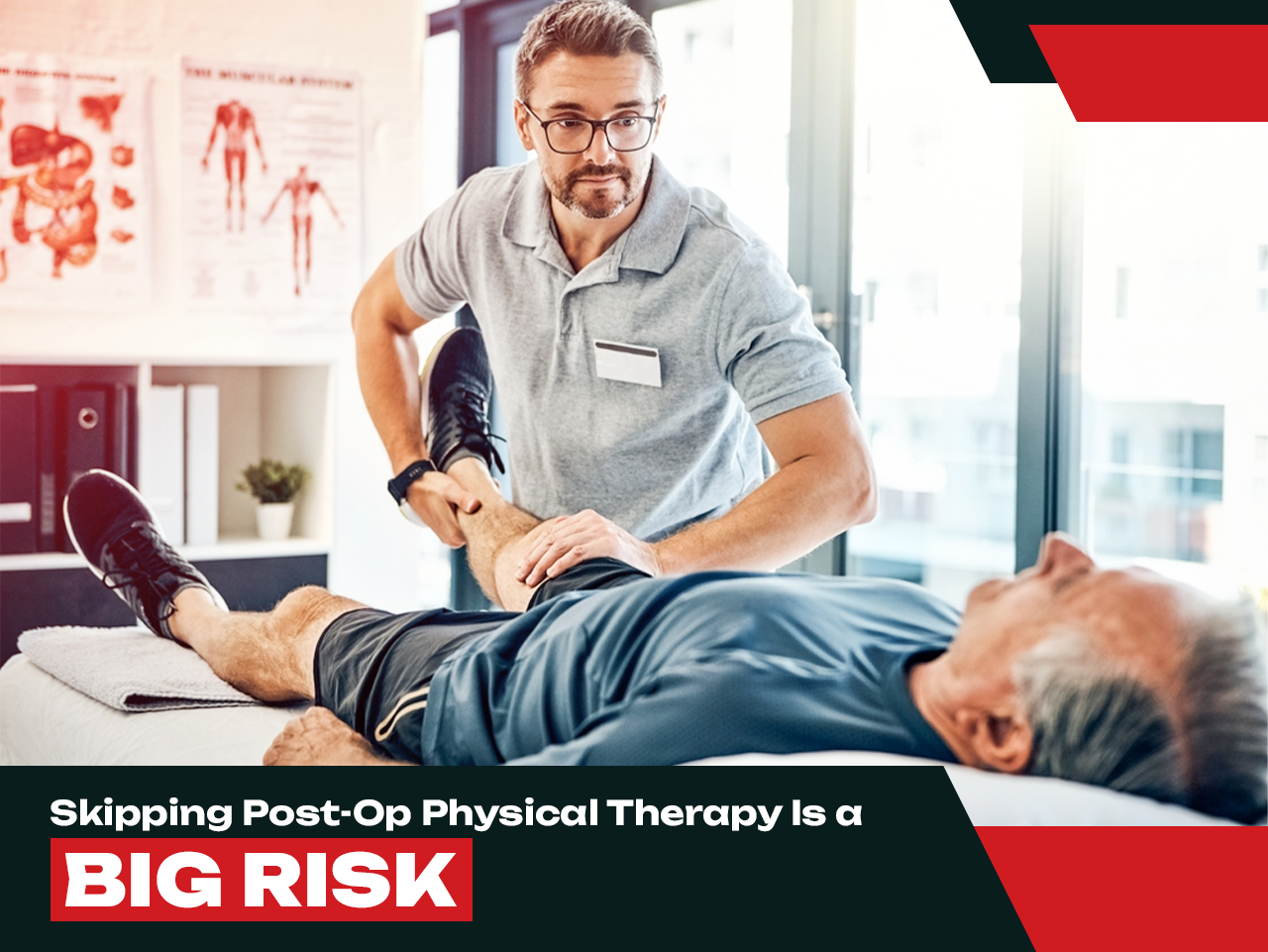
Read More → Undergoing surgery can be a life-altering event, offering hope for relief from debilitating conditions. However, managing chronic pain after surgery is a common challenge many patients face. Physical therapy has emerged as a cornerstone of recovery, particularly for individuals undergoing joint replacements or other significant procedures.
Let’s explore how physical therapy helps patients regain strength, manage pain, and improve their range of motion after surgery.
Surgery often leads to tissue damage, swelling, and stiffness, contributing to chronic pain. Physical therapists use targeted exercises and modalities to improve blood flow, reduce inflammation, and accelerate tissue repair. Techniques like massage, ultrasound therapy, or electrical stimulation can address the underlying causes of post-operative discomfort.
Many patients rely on medication to manage pain after surgery. While effective in the short term, long-term use can lead to dependency or side effects. Physical therapy offers an alternative by strengthening muscles and improving mobility, helping to alleviate pain naturally over time.
Physical therapists design personalized exercise plans that help stretch tight muscles and improve joint flexibility. Regular stretching prevents scar tissue buildup, which can contribute to chronic pain and restricted motion.
Weak muscles around a replaced joint can increase stress on the surgical site, leading to discomfort. Therapists focus on strengthening these muscles, providing better joint support and reducing strain during everyday activities.
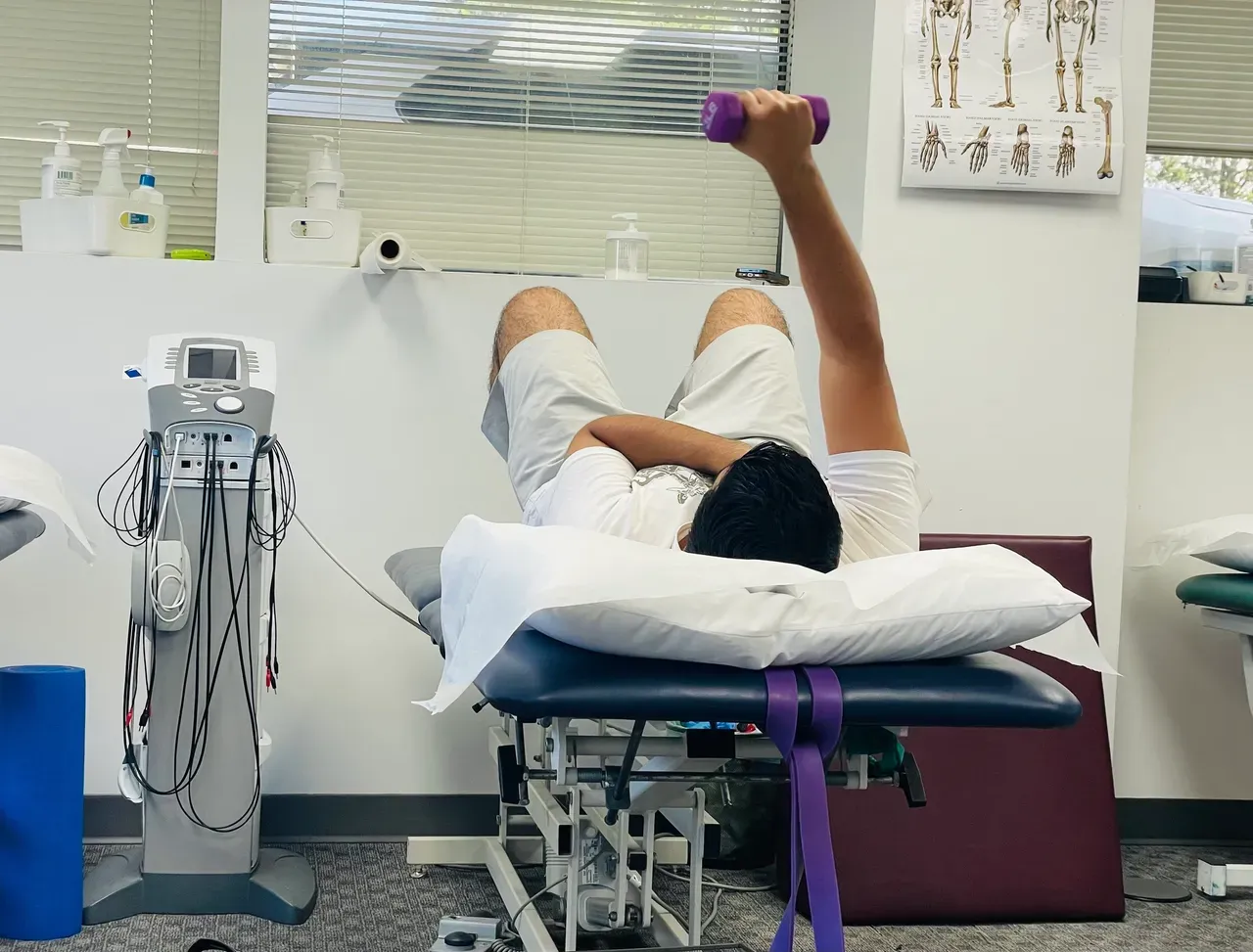
Managing chronic pain after surgery isn’t just a physical challenge—it also affects mental health. Chronic discomfort can lead to anxiety, depression, and frustration. Physical therapy plays a vital role in improving patients’ emotional well-being by:
· Setting achievable milestones which boost confidence.
· Encouraging an active lifestyle releasing endorphins to combat stress and pain perception.
· Offering a structured approach reducing feelings of helplessness.
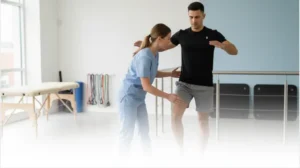
One of the greatest strengths of physical therapy is its ability to adapt to individual needs. Therapists consider the type of surgery, the patient’s overall health, and personal goals when designing recovery programs. These customized plans ensure optimal outcomes and long-term relief from chronic pain.
Patients who engage in consistent physical therapy often report significant improvements in their quality of life. Many regain independence faster and experience less residual pain compared to those who skip therapy. Stories of individuals resuming pain-free hobbies, work, or family activities highlight the transformative power of therapy.
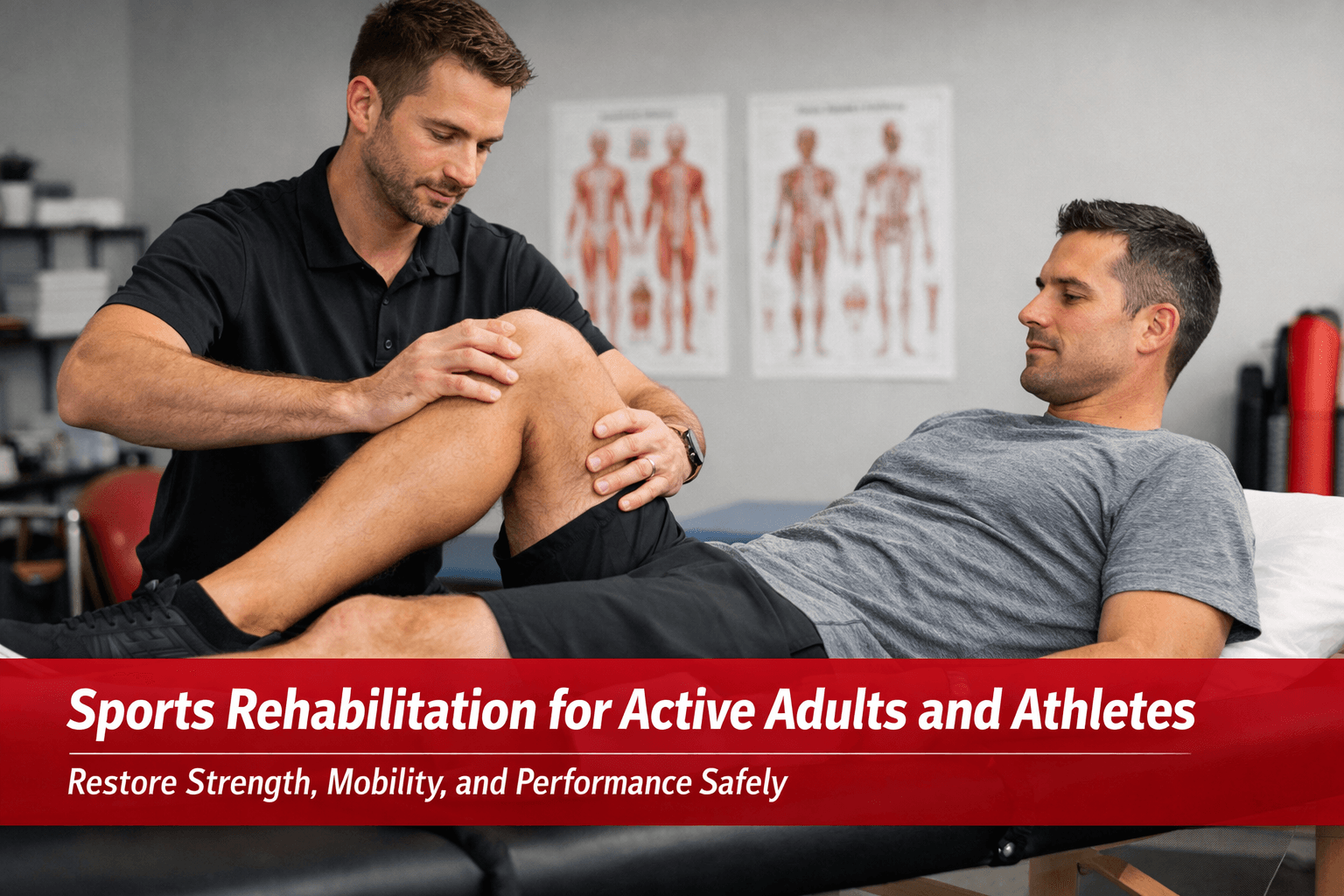
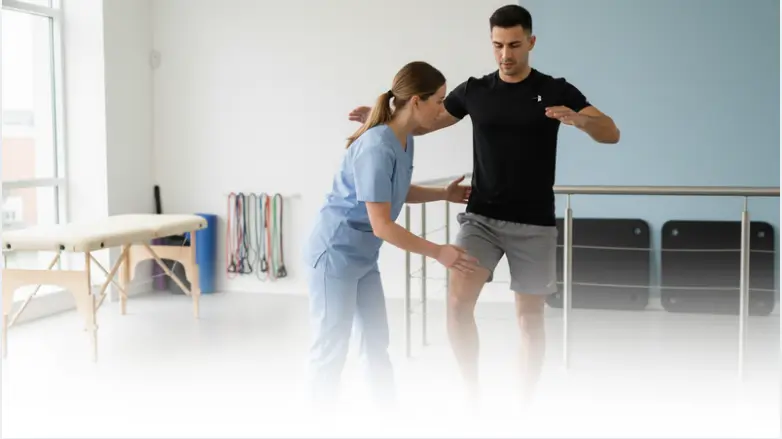
At Virginia’s Physical Therapy, our expert team specializes in post-surgical physical therapy in Herndon, tailored to help you recover faster and regain mobility. From personalized orthopedic rehabilitation to advanced techniques like sports physical therapy, we ensure you receive compassionate care designed for long-term success.
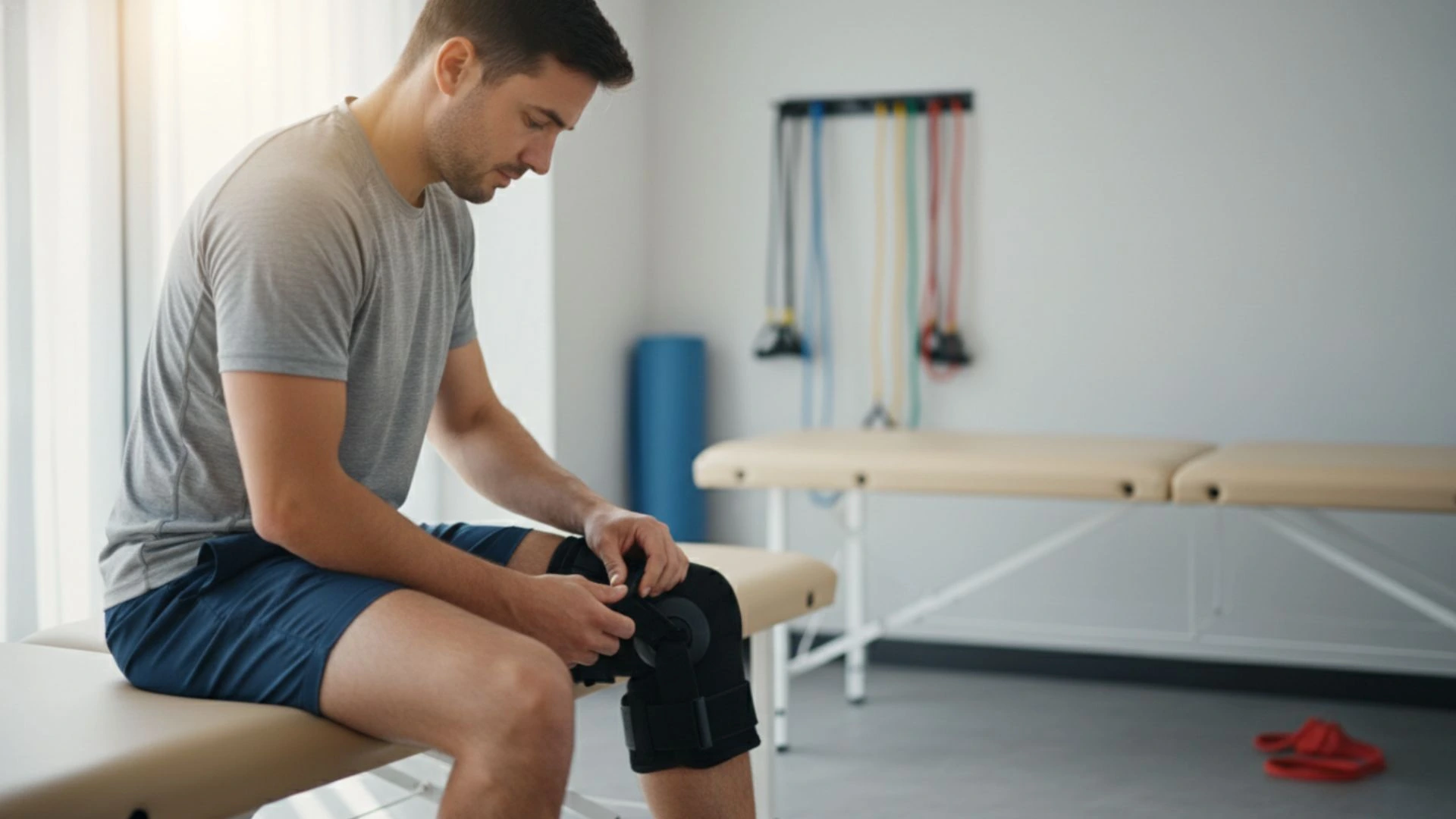
Take the first step toward feeling better. Our friendly team is ready to help you schedule your visit and begin a personalized therapy plan tailored to your goals.