
The Complete Guide to Sports Recovery Herndon, VA for Active Adults and Athletes
The Complete Guide to Sports Recovery Herndon, VA for Active Adults and Athletes February 10, 2026 Jekin Vyas physical therapy...
Read More → Orthopedic injuries, such as fractures and ligament tears, can disrupt daily life, limiting mobility and causing significant pain. However, with a structured orthopedic rehabilitation program, it is possible to restore movement and function effectively, regaining the strength and agility needed for daily activities.
This blog explores how orthopedic rehabilitation helps in recovery and the key techniques used to achieve optimal results.
Orthopedic rehabilitation is a specialized form of therapy designed to address injuries or conditions affecting the musculoskeletal system, which includes bones, joints, ligaments, tendons, and muscles. It aims to:
· Reduce pain and swelling.
· Improve mobility and flexibility.
· Strengthen muscles and support structures.
· Facilitate a safe return to daily activities or sports.
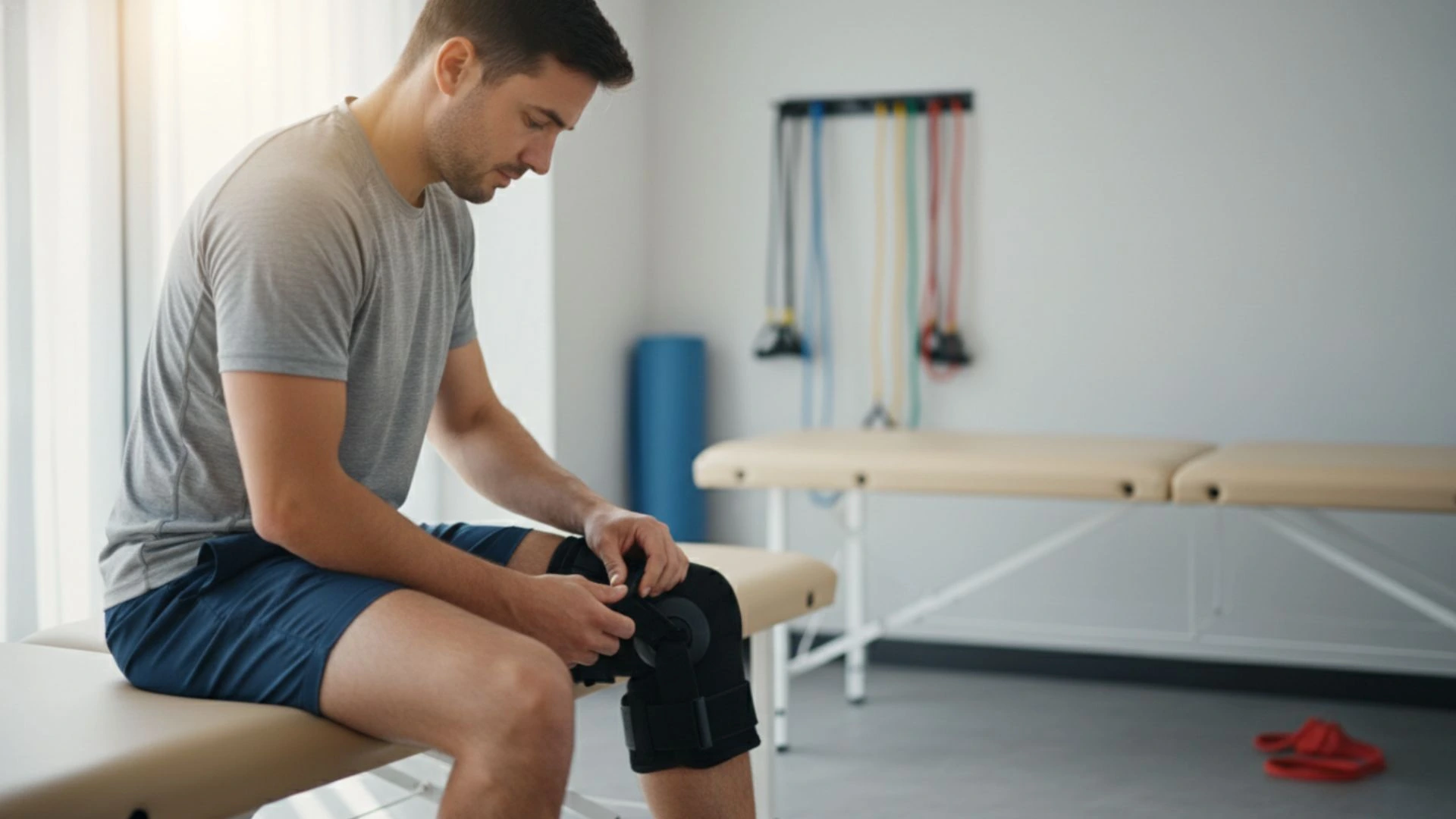
Whether the injury is a broken bone, a torn ligament, or post-surgical recovery, rehabilitation plays a vital role in regaining function and preventing further complications.
In the initial stages of recovery, controlling pain and inflammation is crucial. Techniques like cold therapy, electrical stimulation, and manual therapy are commonly used to ease discomfort, allowing patients to begin their rehabilitation journey.
Injuries like fractures or ligament tears can lead to stiffness in the affected joints or muscles. Gentle stretching and mobility exercises help reduce stiffness and restore normal movement patterns over time.
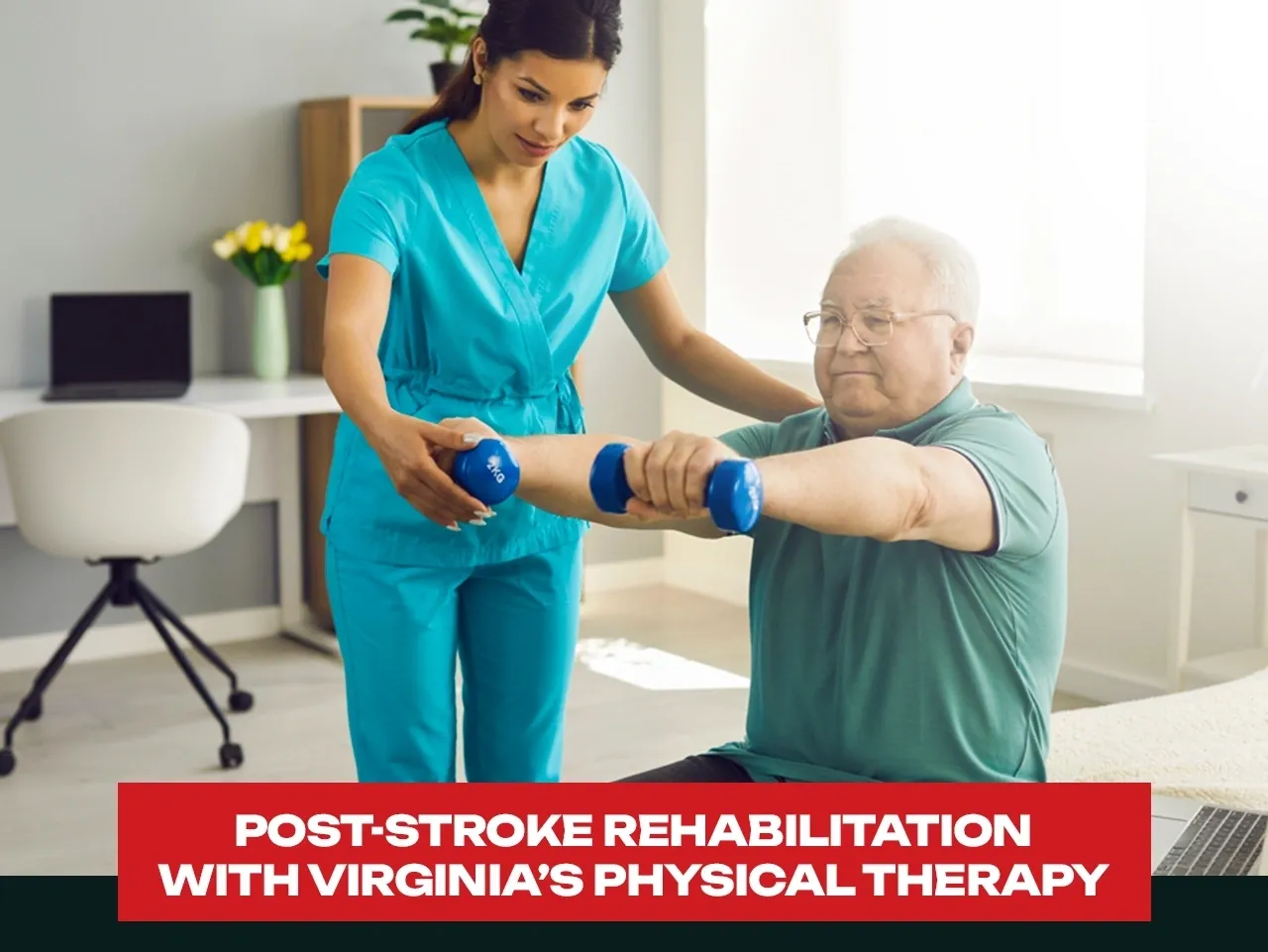
After prolonged immobility, surrounding muscles weaken. Strength training exercises, including resistance bands, weight lifting, or body-weight exercises, are tailored to rebuild muscle strength and support the injured area.
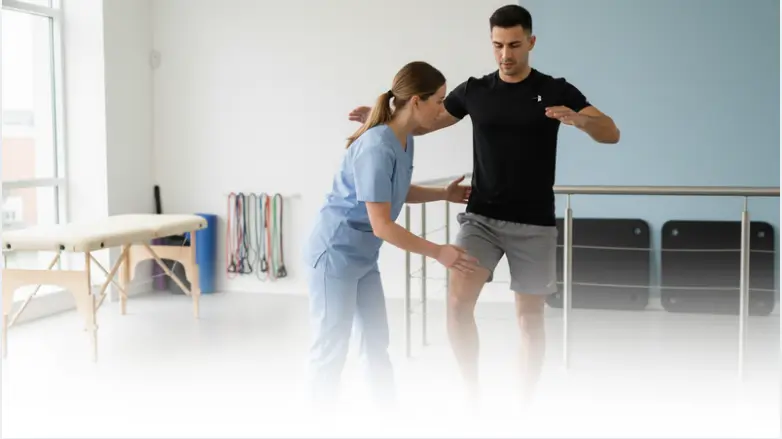
Injuries, especially ligament tears, can impair balance and coordination. Rehabilitation programs often include balance exercises like single-leg stands or the use of stability balls to rebuild proprioception—your body’s sense of position in space.
As recovery progresses, therapists focus on functional exercises that simulate daily or sports-related movements. This helps patients regain confidence and ensures their readiness to return to their routines safely.
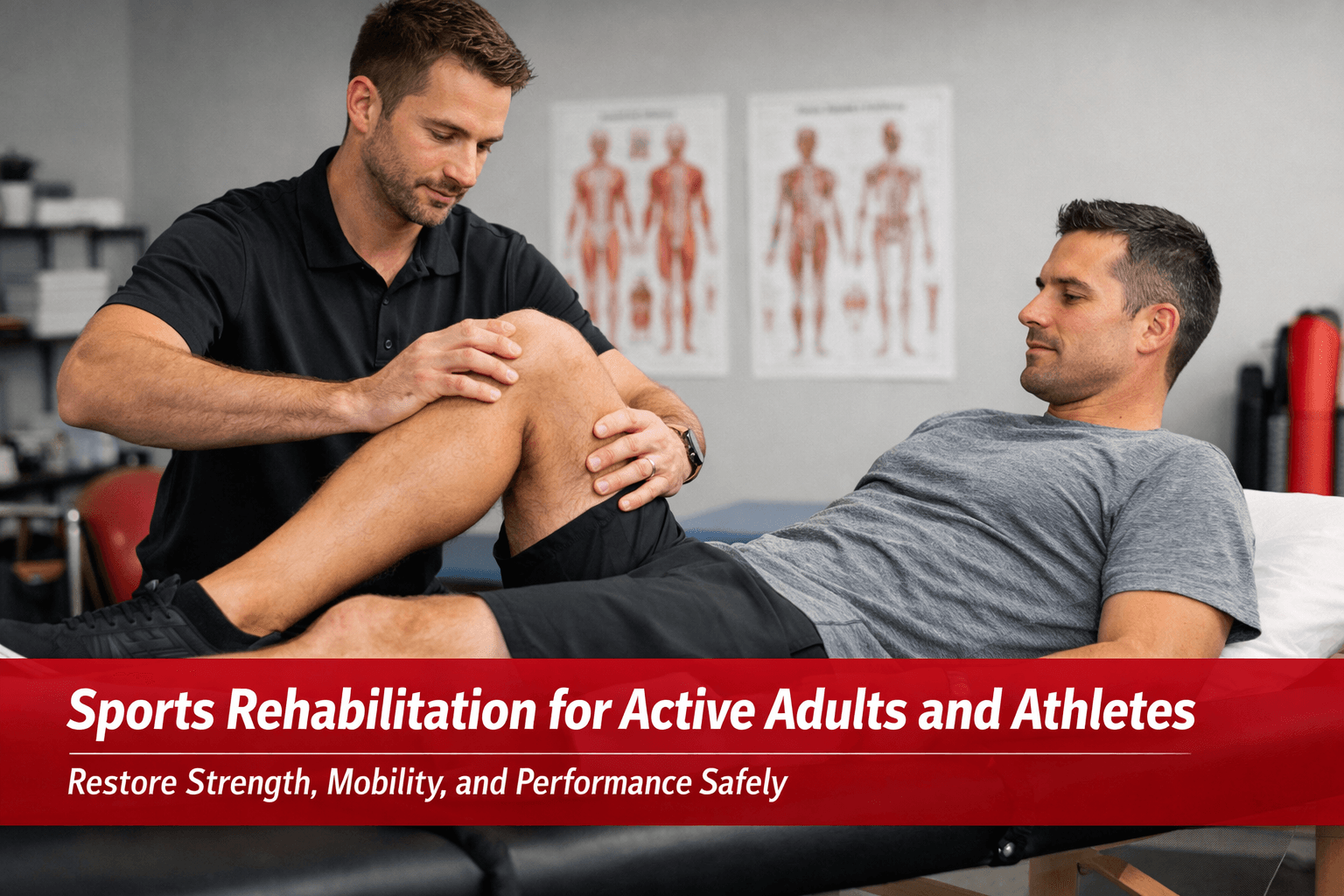
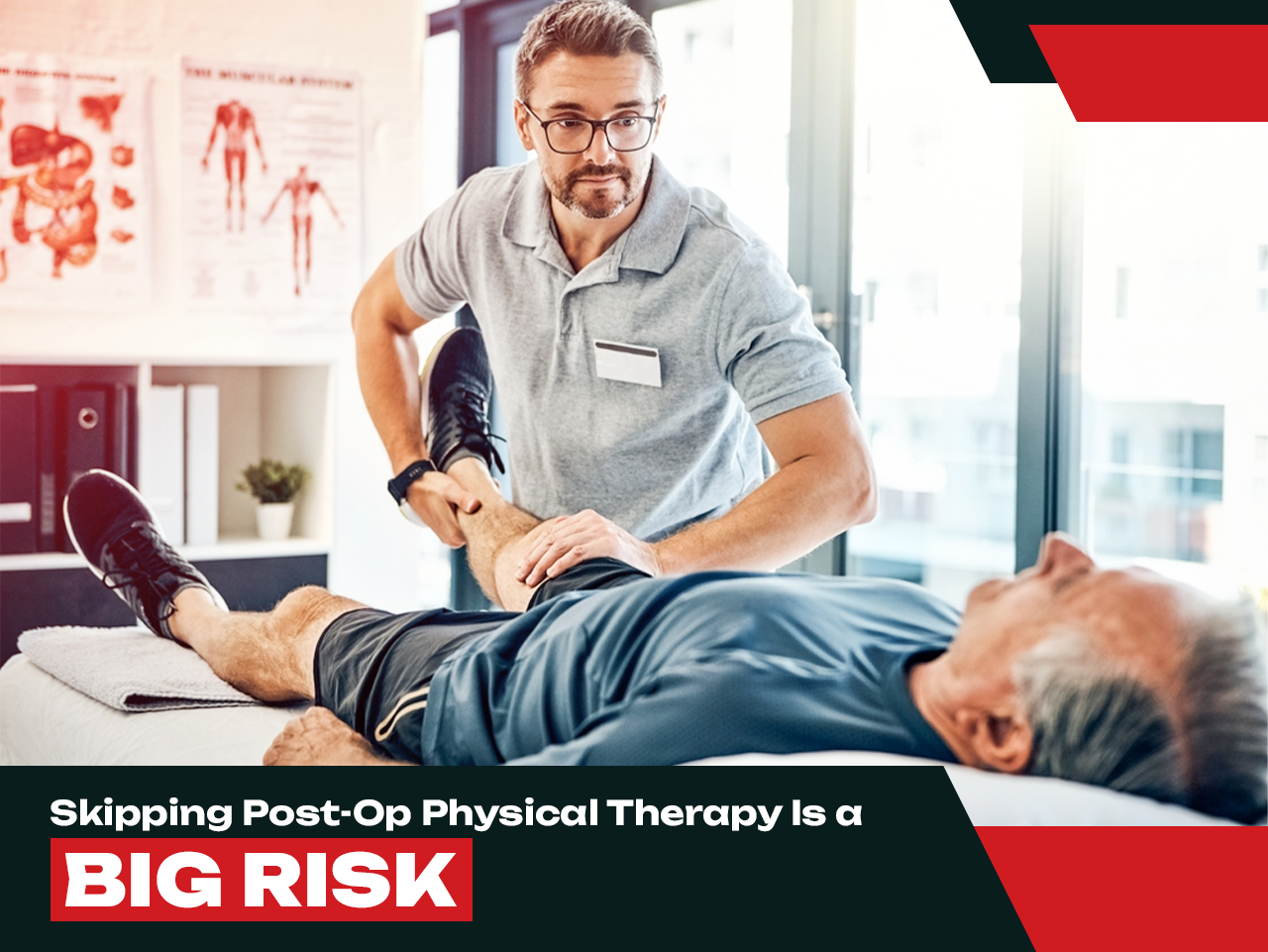
Certified physical therapists design custom programs to address specific needs. Techniques include hands-on manipulation, therapeutic exercises, and gait training.
Water-based exercises are particularly beneficial for individuals with joint pain or limited mobility. The buoyancy of water reduces strain, allowing for low-impact movement and strengthening.
Used to stimulate muscles and nerves, this technique can help reduce pain, improve circulation, and prevent muscle atrophy during the early stages of recovery.
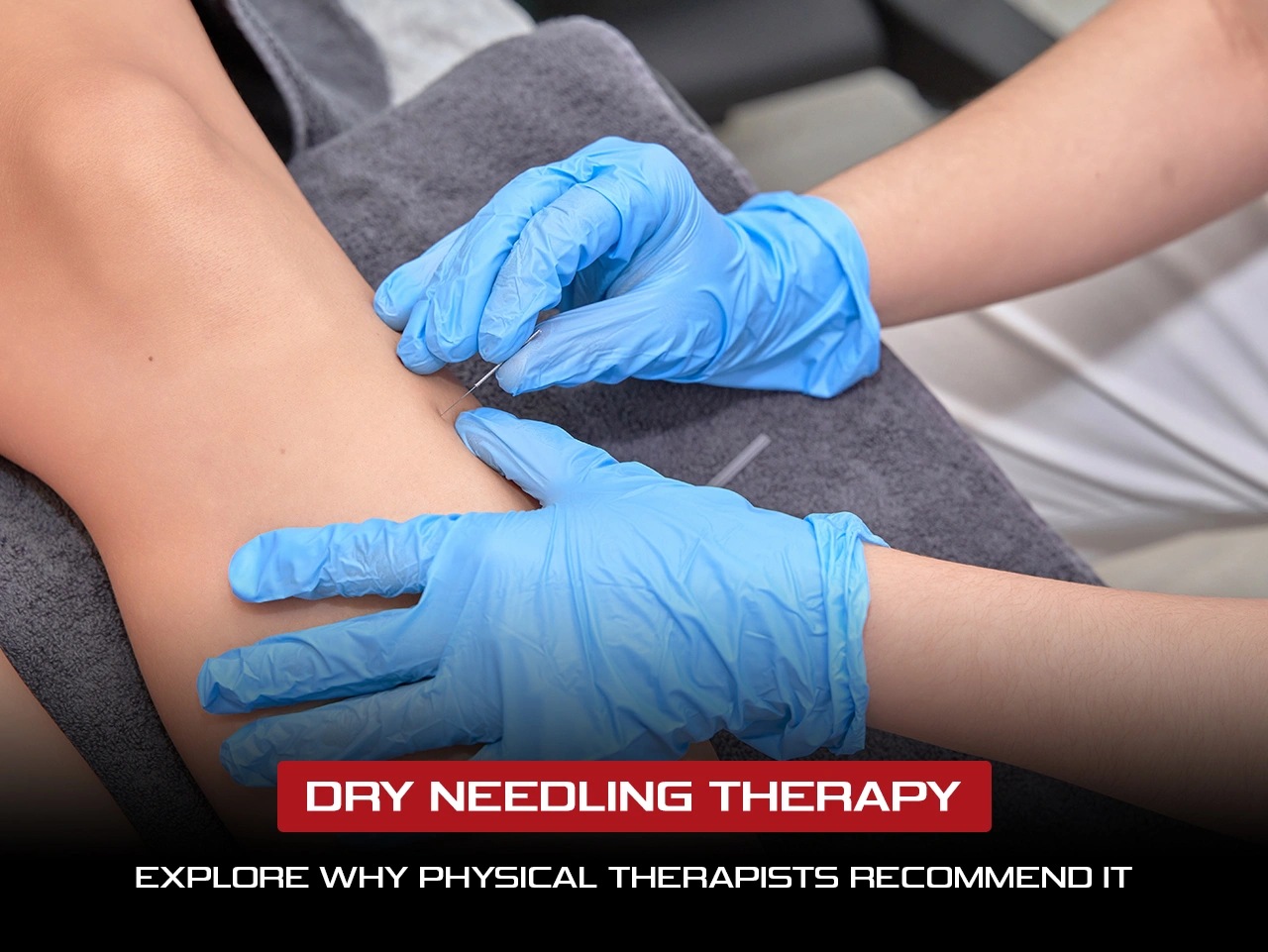
Soft tissue mobilization aids in relieving muscle tension, reducing scar tissue formation and improving circulation around the injured area.
For injuries impacting daily tasks, occupational therapy focuses on functional exercises that mimic activities like lifting, walking, or climbing stairs.
At Virginia’s Physical Therapy, our expert team specializes in orthopedic rehabilitation in Herndon, helping you recover after injuries or surgeries. Whether you need tailored sports physical therapy or compassionate care for post-surgery recovery, our physical therapy clinic in Herndon is here to support you every step of the way. Schedule your consultation.
Take the first step toward feeling better. Our friendly team is ready to help you schedule your visit and begin a personalized therapy plan tailored to your goals.