
The Complete Guide to Sports Recovery Herndon, VA for Active Adults and Athletes
The Complete Guide to Sports Recovery Herndon, VA for Active Adults and Athletes February 10, 2026 Jekin Vyas physical therapy...
Read More → 
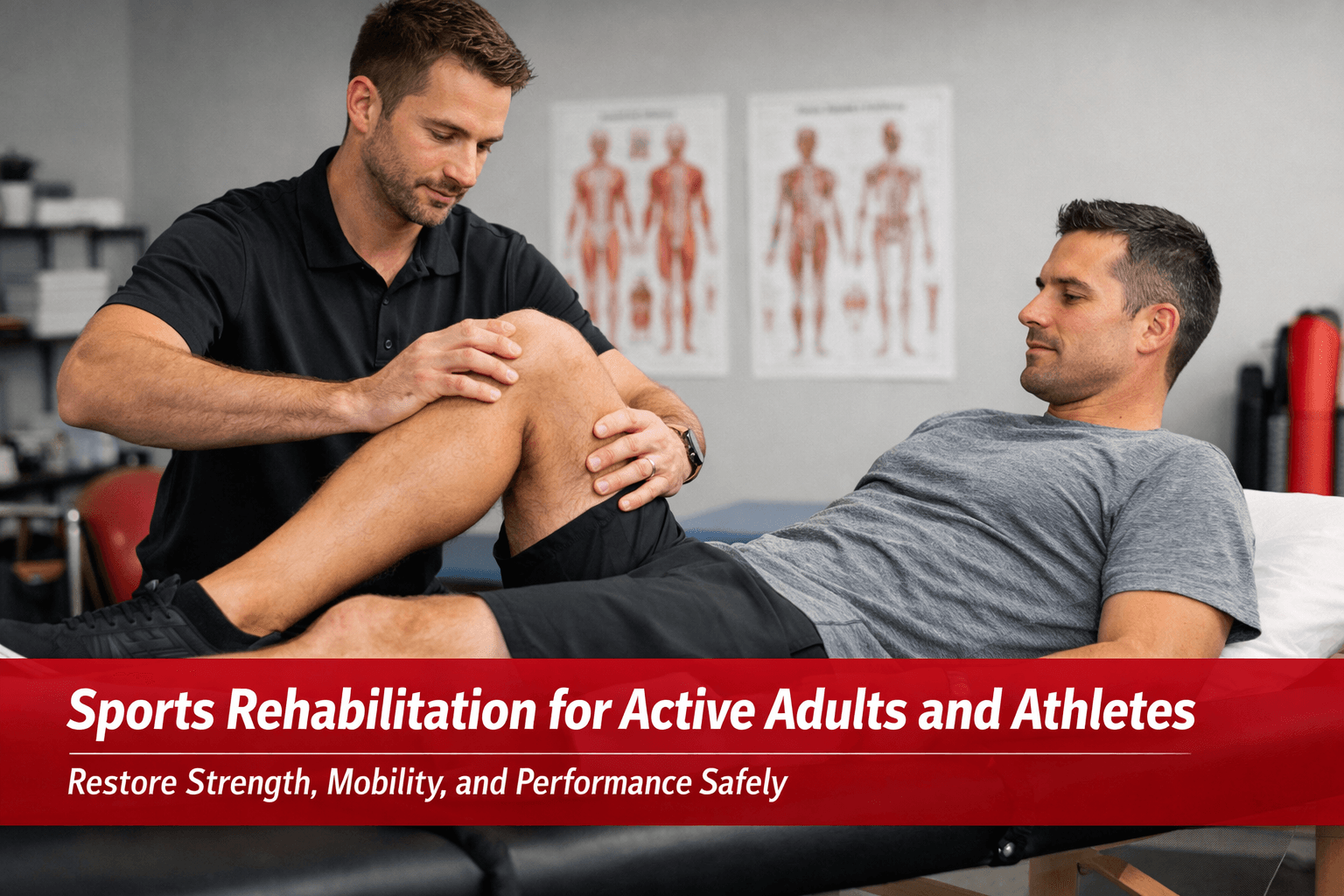
Shoulder injuries are among the most common types of injuries athletes face, often resulting from overuse, sudden impacts, or improper mechanics during play. Whether you’re a weekend warrior or a professional athlete, a shoulder injury can sideline you for weeks, if not months. Outpatient physical therapy plays a crucial role in both preventing and recovering from these injuries. Here’s how physical therapy can make all the difference for shoulder injuries in sports, and how Virginia’s Physical Therapy can help you get back on track.
In sports, the shoulder is particularly vulnerable due to its range of motion and the repetitive movements it undergoes. Some of the most common shoulder injuries include:
Whether you are recovering from a shoulder injury or looking to prevent one, outpatient physical therapy offers several benefits:
If your shoulder injury requires surgery, outpatient physical therapy is essential in both pre-operative and post-operative rehabilitation:
Virginia’s Physical Therapy, with locations in Herndon and Fairfax, specializes in sports rehabilitation and orthopedic rehabilitation. Our experienced therapists use evidence-based approaches to ensure the best outcomes for your recovery. Whether you need therapy for a rotator cuff tear, shoulder impingement, or any other sports-related shoulder injury, we are dedicated to getting you back to doing what you love, safely and efficiently.
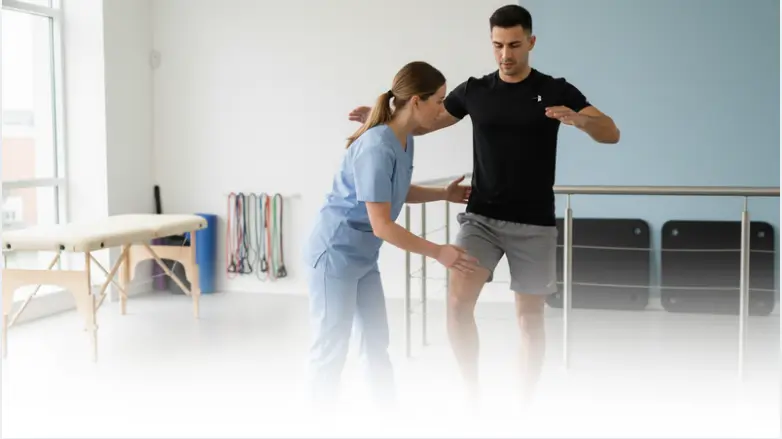
At Virginia’s Physical Therapy, we offer a personalized approach that includes a combination of manual therapy, therapeutic exercises, and neuromuscular re-education to restore shoulder function. Our clinics are equipped with state-of-the-art equipment to ensure the best recovery process possible.
We also provide pre-operative and post-operative rehabilitation tailored to your needs, so you can achieve the best possible outcome after surgery.
Take the first step toward feeling better. Our friendly team is ready to help you schedule your visit and begin a personalized therapy plan tailored to your goals.