
The Complete Guide to Sports Recovery Herndon, VA for Active Adults and Athletes
The Complete Guide to Sports Recovery Herndon, VA for Active Adults and Athletes February 10, 2026 Jekin Vyas physical therapy...
Read More → 
When we think about mental health, it’s easy to focus solely on therapy or counseling. However, a powerful yet often overlooked ally in managing mental health is physical therapy. While physical therapy primarily addresses the recovery of physical injuries, its benefits extend far beyond the body. Research increasingly shows that physical therapy can play a crucial role in improving mental health by reducing pain, enhancing physical function, and boosting mood.
Here’s how physical therapy supports overall well-being.
Chronic pain can significantly impact mental health, leading to feelings of frustration, helplessness, and depression. Conditions such as arthritis, fibromyalgia, or lower back pain can become all-consuming, making it difficult to enjoy daily activities. The constant discomfort can lead to mental fatigue and an inability to relax, which only worsens emotional health.
Physical therapy aims to reduce pain by strengthening muscles, improving posture, and increasing mobility. Through targeted exercises, manual therapy, and other specialized techniques, physical therapists help patients manage their pain effectively. By addressing the root causes of pain, physical therapy helps alleviate the stress and mental strain that often accompany chronic conditions. When pain is reduced or managed, individuals can experience greater emotional stability and a renewed sense of hope and vitality.
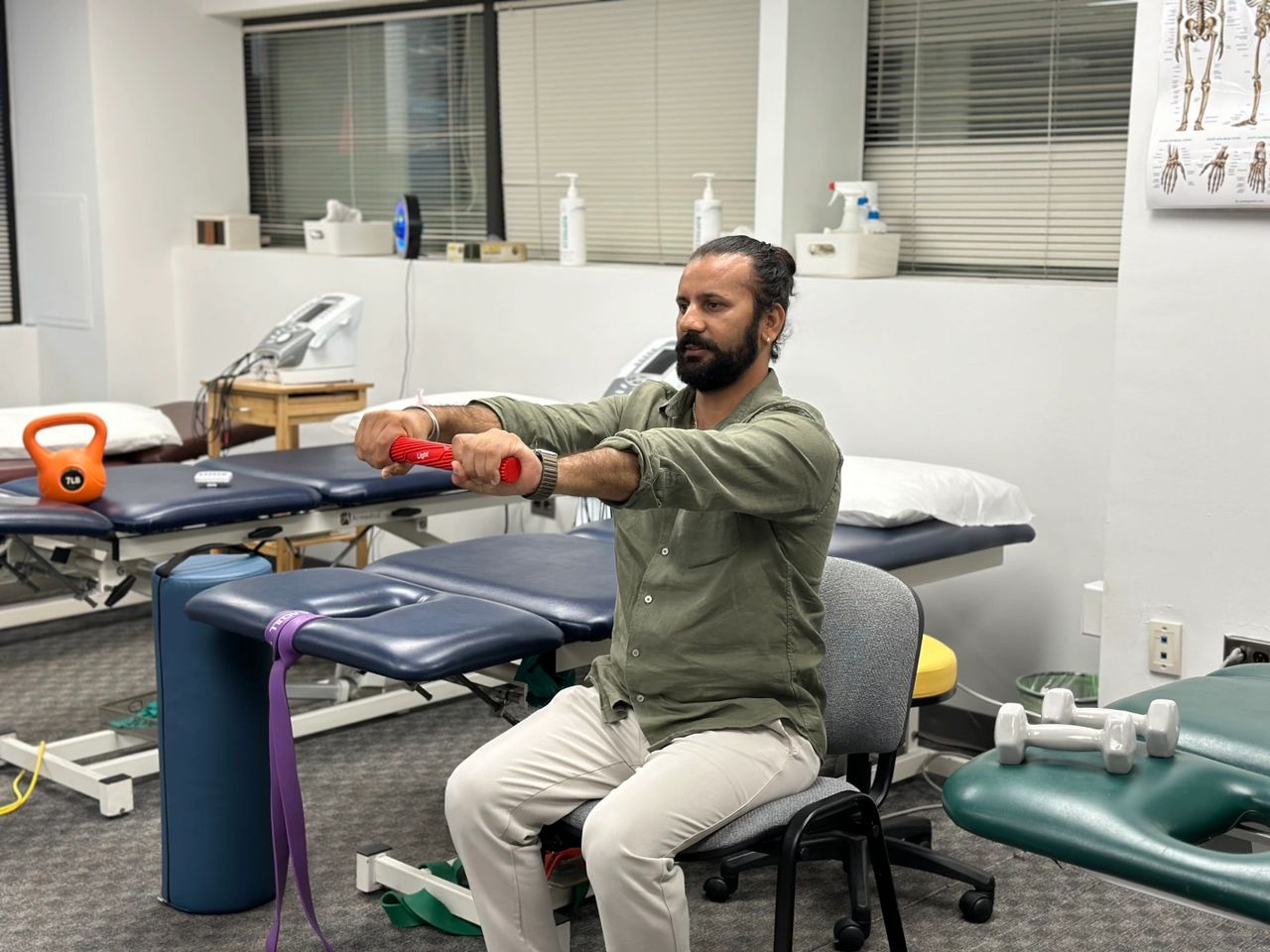
When the body is physically strong and functional, it has a positive effect on the mind. Regular physical activity, a cornerstone of physical therapy, triggers the release of endorphins—natural chemicals in the brain that promote feelings of happiness and well-being. These endorphins work similarly to antidepressants, making exercise a natural mood booster.
In addition to improving strength, balance, and flexibility, physical therapy increases circulation and oxygen flow throughout the body. This can reduce symptoms of anxiety and stress while promoting a sense of relaxation. A strong, functional body helps individuals feel more in control and confident, which translates to improved mental resilience.
Furthermore, physical therapy helps with rehabilitation after surgery or injury. Returning to normal activities can have a significant psychological impact, fostering a sense of accomplishment and reducing feelings of isolation or dependency.
The link between physical and mental health is undeniable. Physical therapy encourages individuals to set and achieve goals, which can be incredibly empowering. These small victories not only enhance physical health but also provide a sense of purpose and accomplishment, contributing to overall mental well-being.
As people progress in their physical therapy journey, they often notice improved sleep, decreased anxiety, and enhanced mood. Moving the body releases tension and calms the nervous system, leading to a sense of peace and emotional stability. By focusing on both the physical and mental aspects of recovery, physical therapists help individuals address the holistic nature of health.
If you’re looking to improve your mental well-being and physical health, Virginia’s Physical Therapy offers expert care tailored to your needs. Our physical therapy clinic in Herndon, VA, specializes in a range of services, including vestibular rehabilitation and concussion therapy, to help you regain strength, reduce pain, and boost your mood.
Contact us today to schedule a consultation at our rehab outpatient clinic!



Take the first step toward feeling better. Our friendly team is ready to help you schedule your visit and begin a personalized therapy plan tailored to your goals.