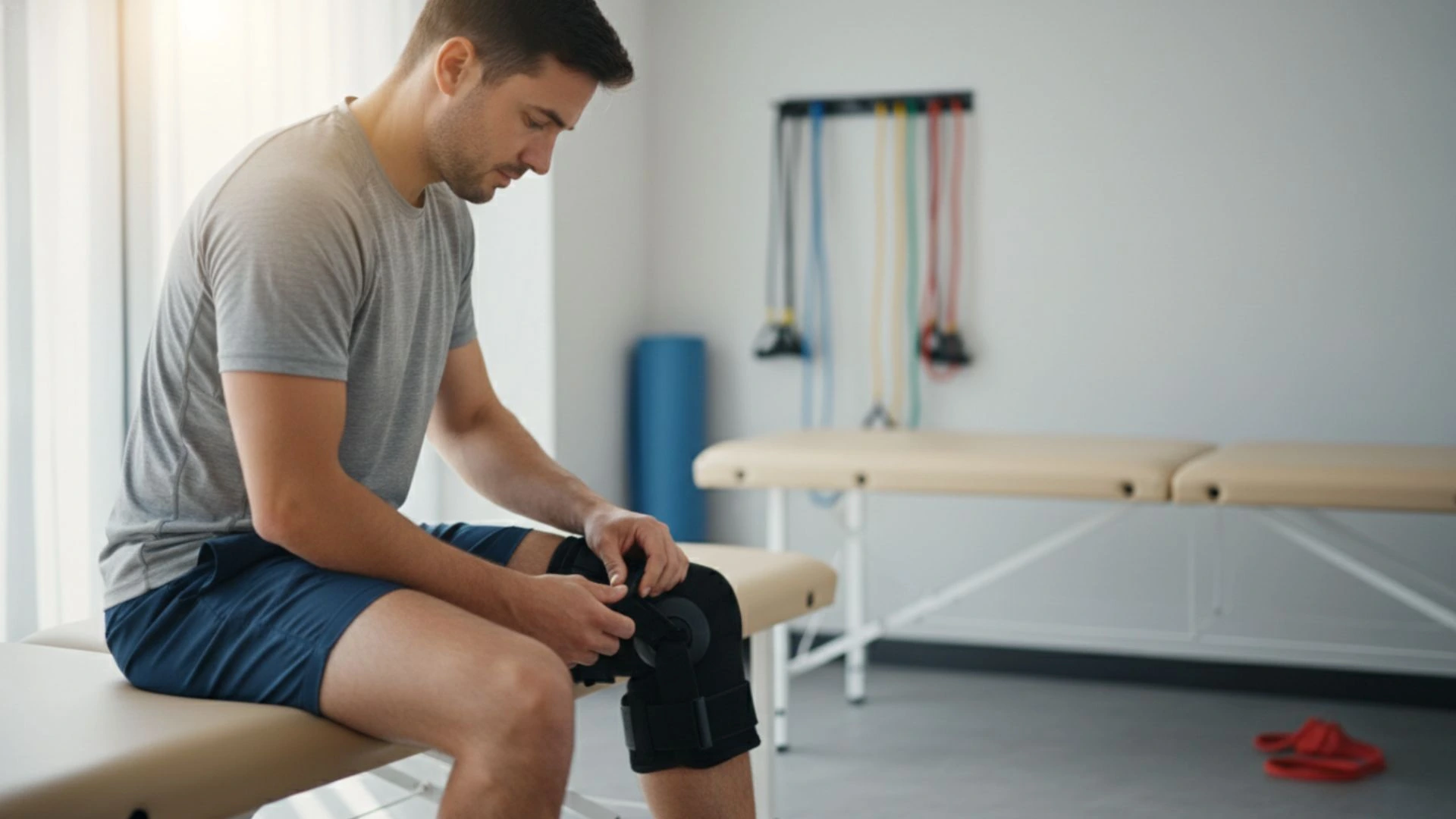
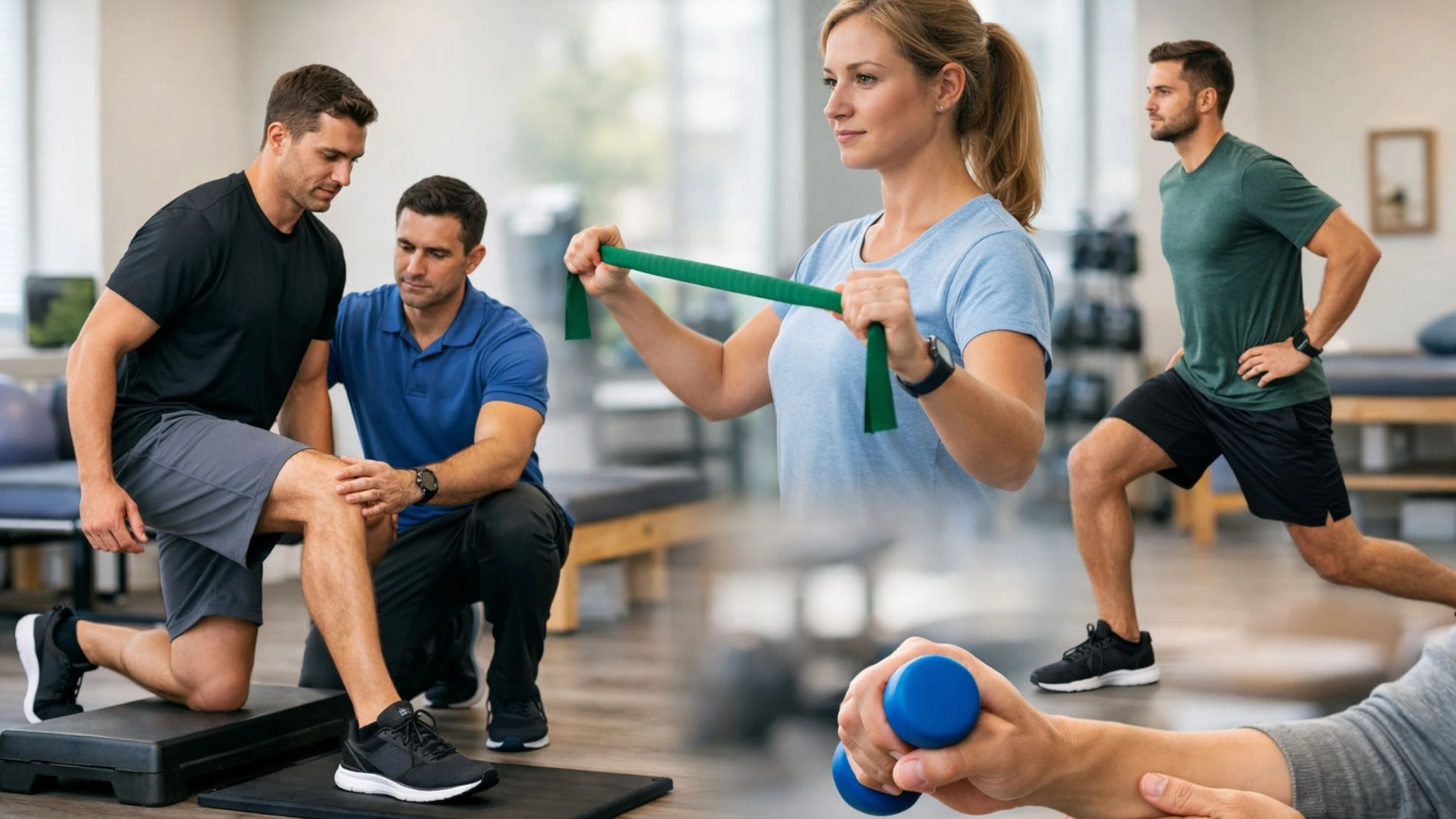
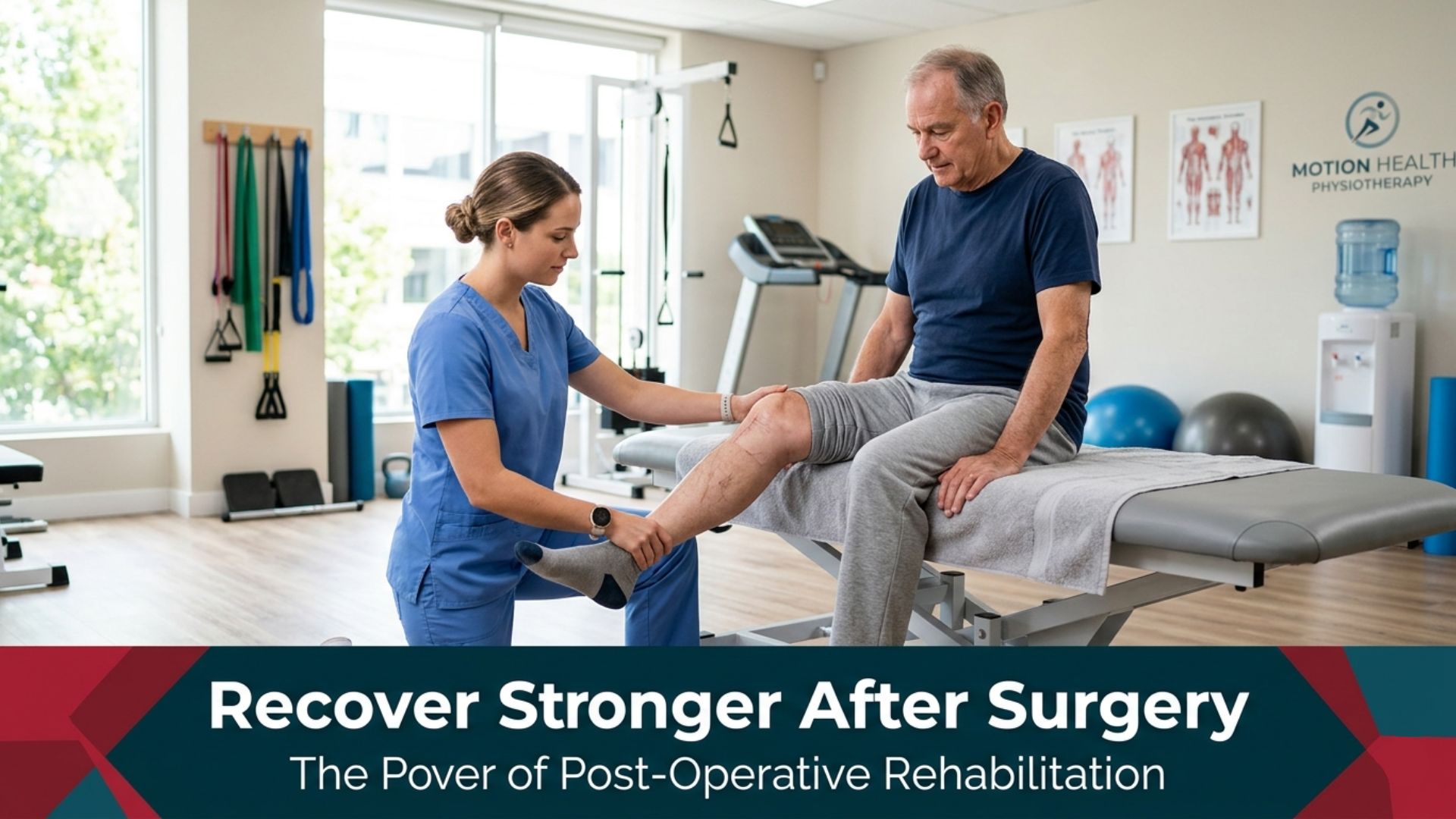
Surgery is often viewed as the finish line. The moment pain ends and healing begins. But for most patients, surgery is only the midpoint of recovery, not the conclusion. Without structured rehabilitation, even the most technically successful procedure can result in stiffness, weakness, compensation, or reinjury.
At Virginia’s Physical Therapy, we see it every day: patients who had “successful surgery” yet struggle to move, train, work, or live without pain months later. This is where post-op rehab in Fairfax becomes not just important but essential.
Whether you are an athlete eager to return to sport, a professional trying to resume work, or someone simply wanting to move without fear again, post-surgical rehabilitation is what determines how fully you recover, not just how fast.
Who Benefits from Post-Surgical Rehab?
Post-op physical therapy benefits:
- Competitive athletes
- Recreational fitness enthusiasts
- Working professionals
- Seniors recovering from joint replacement
- Anyone who wants full, lasting recovery
The Hidden Reality After Surgery: Why Pain Doesn’t End in the Operating Room
Many patients are surprised to learn that pain, stiffness, or weakness after surgery does not mean the surgery failed. Instead, it reflects how the body responds to trauma.
Surgery, no matter how minimally invasive, creates:
- Tissue disruption
- Swelling and inflammation
- Neurological inhibition
- Loss of muscular coordination
- Altered movement patterns
Without expert guidance, the body adapts poorly. Muscles weaken. Joints stiffen. The brain learns compensation instead of control. This is why orthopedic physical therapy in Fairfax is not optional, it is foundational.
What Post-Surgical Rehabilitation Actually Does (Beyond Exercise)
Post-operative rehab is not just about “doing exercises.” It is a structured, progressive recovery system designed to help the body heal correctly, move efficiently, and return to daily activities or sport without setbacks. Each phase of rehab serves a specific purpose in restoring both physical function and confidence.
- Tissue healing timelines are carefully respected during post-surgical rehab. After surgery, muscles, tendons, ligaments, and joint structures heal at different rates. Physical therapy ensures that movement and loading are introduced at the right time, early enough to prevent stiffness, but not so early that healing tissues are stressed or damaged.
- Joint mechanics are addressed to restore smooth, controlled movement. Surgery, swelling, and pain can alter how a joint moves, often causing compensation from surrounding muscles or joints. Post-operative rehab focuses on retraining proper joint motion to reduce unnecessary stress and prevent future injuries.
- Neuromuscular re-education helps reconnect the brain and muscles after surgery. Pain, inflammation, and immobilization can disrupt normal muscle activation, leading to weakness or instability. Through targeted exercises and movement training, rehab teaches the body how to activate the right muscles at the right time.
- Strength and load tolerance are rebuilt gradually and safely. Rather than rushing into heavy activity, post-op rehab progressively increases resistance and functional demands so healing tissues can adapt. This prepares the body for real-life movements such as walking, lifting, running, or returning to sport.
- Confidence in movement is an essential part of recovery. Many patients hesitate to move normally after surgery due to fear of pain or reinjury. Physical therapy provides guided progression and reassurance, helping patients trust their bodies again and move without hesitation.
At a specialized physical therapy clinic in Fairfax, rehab bridges the gap between surgery and full function.
Types of Injuries That Require Post-Op Rehab
At Virginia’s Physical Therapy, we provide customized rehabilitation for athletes in Fairfax and non-athletes alike following a wide range of surgical procedures.
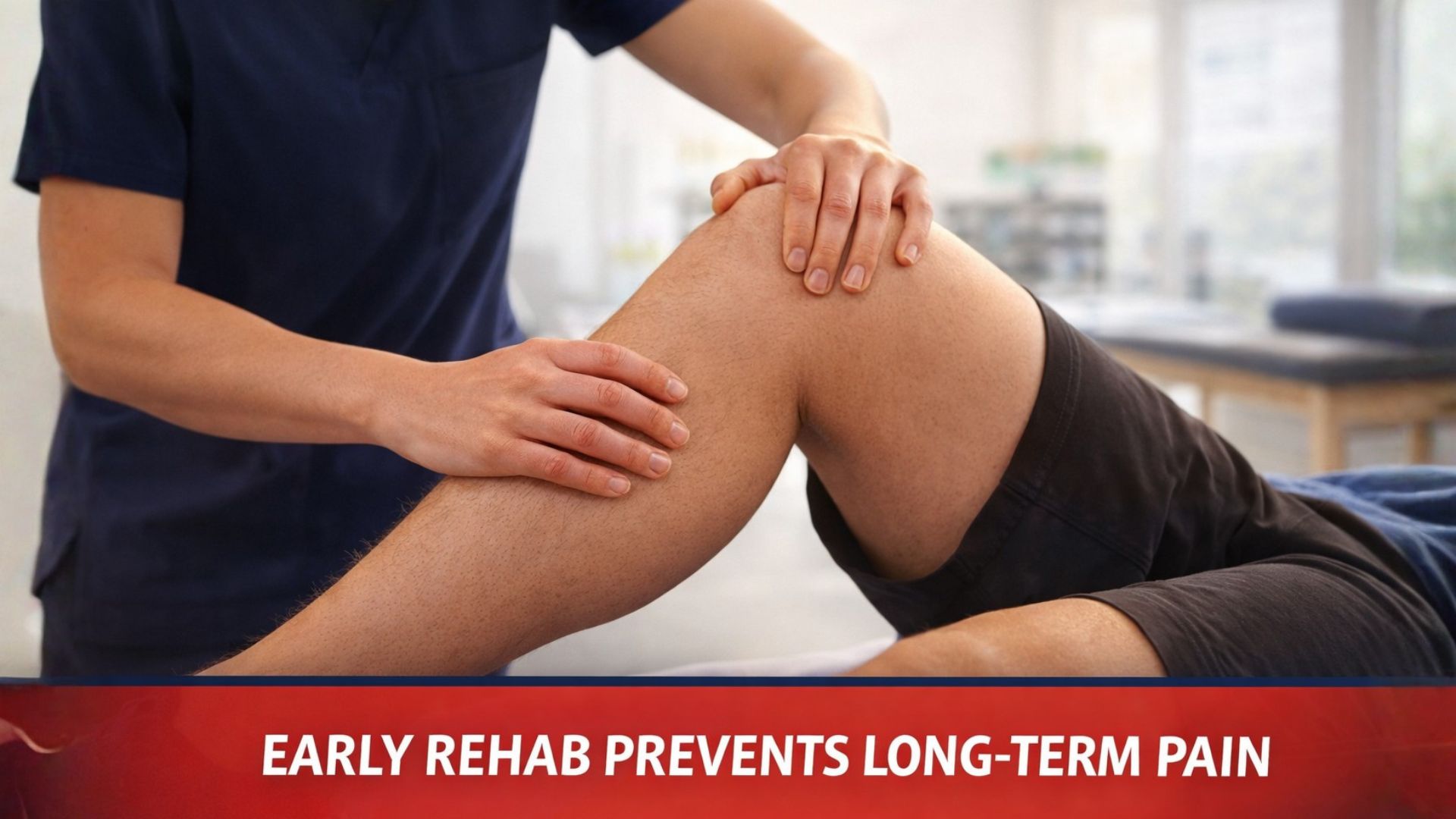
Knee Surgeries
Including:
- ACL reconstruction
- Meniscus repair
- Total or partial knee replacement
- Cartilage procedures
Post-op knee rehab focuses on restoring:
- Full knee extension
- Quadriceps activation
- Gait symmetry
- Explosive strength for athletes
Shoulder Surgeries
Including:
- Rotator cuff repair
- Labral repair
- Shoulder stabilization surgery
Rehab emphasizes:
- Scapular control
- Gradual loading
- Rotational stability
- Overhead mechanics
Hip Surgeries
Including:
- Hip arthroscopy
- Labral repair
- Total hip replacement
Rehabilitation targets:
- Pelvic stability
- Hip mobility without compensation
- Return to walking, running, or sport
Elbow, Wrist, and Upper Extremity Surgeries
Common among athletes and desk professionals:
- Tendon repairs
- Nerve decompressions
- Fracture fixation
These require precision rehab to restore fine motor control and strength.
Why Skipping or Rushing Rehab Can Derail Recovery
Many patients delay therapy because pain feels “manageable” or because life gets busy. While this is understandable, postponing post-surgical rehabilitation often creates long-term issues that are far more difficult to reverse, like:
- Chronic stiffness that develops when joints and surrounding tissues are not moved appropriately during the healing process. After surgery, the body naturally produces protective stiffness to guard the area. Without guided movement, this stiffness can become permanent, limiting range of motion and making everyday tasks uncomfortable or difficult.
- Muscle atrophy occurs quickly when a limb or joint is not used properly after surgery. Muscles begin to weaken within days of inactivity, reducing joint support and stability. Delayed rehabilitation makes it harder to rebuild strength later and increases stress on healing structures.
- Scar tissue restrictions form as part of the normal healing process, but without controlled movement, scar tissue can become dense and restrictive. This limits flexibility, alters movement patterns, and may cause pain during activity. Physical therapy helps guide scar tissue to form in a way that allows healthy, functional movement.
- Persistent inflammation often remains when healing tissues are not gradually exposed to appropriate load. Swelling and irritation can linger, delaying recovery and contributing to discomfort, stiffness, and limited mobility long after surgery.
- Reinjury or revision surgery becomes a risk when movement mechanics, strength, and joint control are not fully restored. Returning to activity too soon or without proper rehab can overload healing tissues, potentially leading to setbacks or even the need for additional surgical intervention.
Without post-op rehab in Fairfax, the body often learns the wrong way to move—patterns that are difficult to reverse later.
The Athlete’s Perspective: Why Rehab Determines Performance
For athletes, surgery is not just about healing—it’s about returning to pre-injury performance levels.Without proper rehab:
- Power output decreases
- Reaction time slows
- Joint confidence erodes
- Injury risk skyrockets
This is why rehabilitation for athletes in Fairfax must go beyond basic recovery and address speed, agility, and load tolerance.
What Makes Post-Op Rehab at Virginia’s Physical Therapy Different
Not all post-surgical rehabilitation is created equal. While many clinics rely on standardized protocols and exercise checklists, recovery after surgery is rarely that simple. Every body heals differently, every surgery leaves a unique impact, and every patient brings their own movement history, goals, and concerns into the process. At Virginia’s Physical Therapy, post-op rehab is built around movement quality and clinical judgment, not one-size-fits-all templates.
- Therapist-Led Care
At Virginia’s Physical Therapy, each session is led directly by a licensed physical therapist. Care is not handed off to aides, assistants, or pre-set programs. Your therapist remains actively involved throughout every visit by observing how you move, adjusting techniques, and responding to subtle changes in strength, coordination, and comfort. This level of hands-on attention is especially important after surgery, when small movement errors or compensations can delay healing or place unnecessary stress on vulnerable tissues. Therapist-led care ensures precision, safety, and accountability at every stage of recovery.
- Real-Time Progression
Post-operative rehabilitation should never be static. Healing tissues respond differently from week to week, and progress depends on how the body adapts to movement and load. Rather than following a rigid timeline, your rehabilitation evolves in real time based on key clinical indicators.
- Pain response is carefully monitored to distinguish between normal post-surgical discomfort and warning signs of overload or irritation. This allows therapy to remain challenging without crossing into unsafe territory.
- Tissue healing is respected throughout the process. Your therapist understands surgical timelines and adjusts intensity, resistance, and movement complexity to match what your body is ready to tolerate, not what a generic protocol dictates.
- Movement control is constantly assessed, especially as exercises become more demanding. If technique begins to break down, progressions are modified to reinforce proper mechanics and prevent compensations.
- Performance demands are gradually reintroduced based on your lifestyle and goals, whether that means returning to sport, work, or daily activity. Rehab progresses in a way that prepares your body for real-world demands, not just clinical milestones.
By combining expert therapist involvement with responsive, individualized progression, Virginia’s Physical Therapy delivers post-op rehab that is thoughtful, adaptive, and built for long-term success, not just short-term relief.
Healing with Clarity: Why Understanding Your Recovery Changes Everything
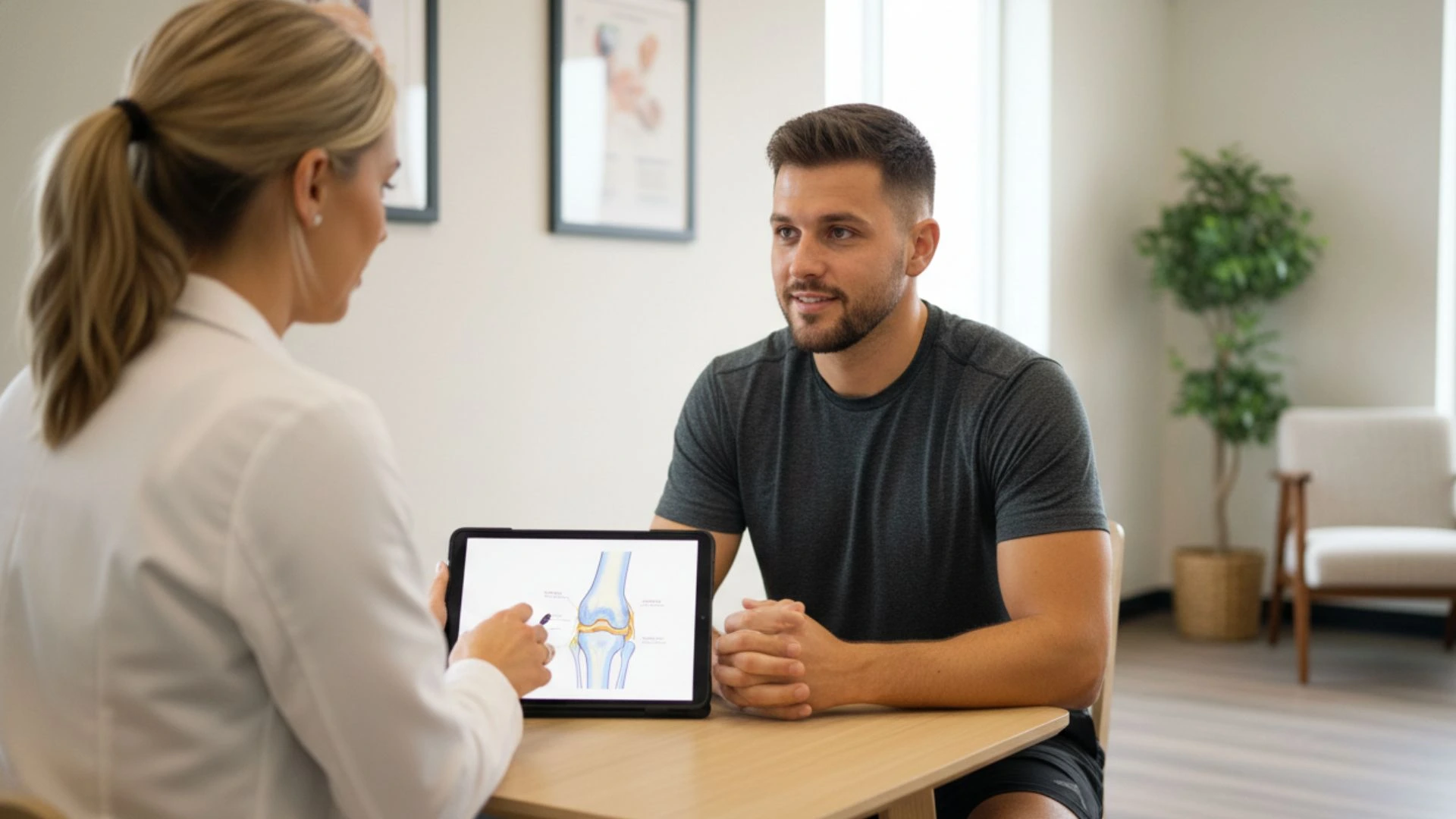
Recovery is more effective when you understand why you’re doing what you’re doing. At Virginia’s Physical Therapy, education is woven into every session so you never feel uncertain, rushed, or left guessing about your progress.During your visits, we help you understand:
- What your body is doing during recovery
We explain how healing tissues respond after surgery, what sensations are normal, and how your body adapts as strength and mobility return.
- Why certain movements matter at each phase
Every exercise has a purpose. We show you how specific movements protect healing structures, restore joint mechanics, and prepare you for real-life demands, not just clinic exercises.
- How to avoid setbacks outside the clinic
You’ll learn how to move safely at home, work, and during activity, including how to recognize early warning signs before they become problems.
This education-first approach gives you clarity and control over your recovery. Instead of fearing reinjury, you gain the confidence to move forward knowing your body is supported, prepared, and progressing safely.
The Phases of Post-Surgical Rehabilitation Explained
Phase 1: Protection and Early Activation
Early rehab focuses on:
- Reducing swelling
- Restoring circulation
- Preventing muscle shutdown
Techniques include:
- manual therapy in Fairfax, VA
- joint mobilization therapy
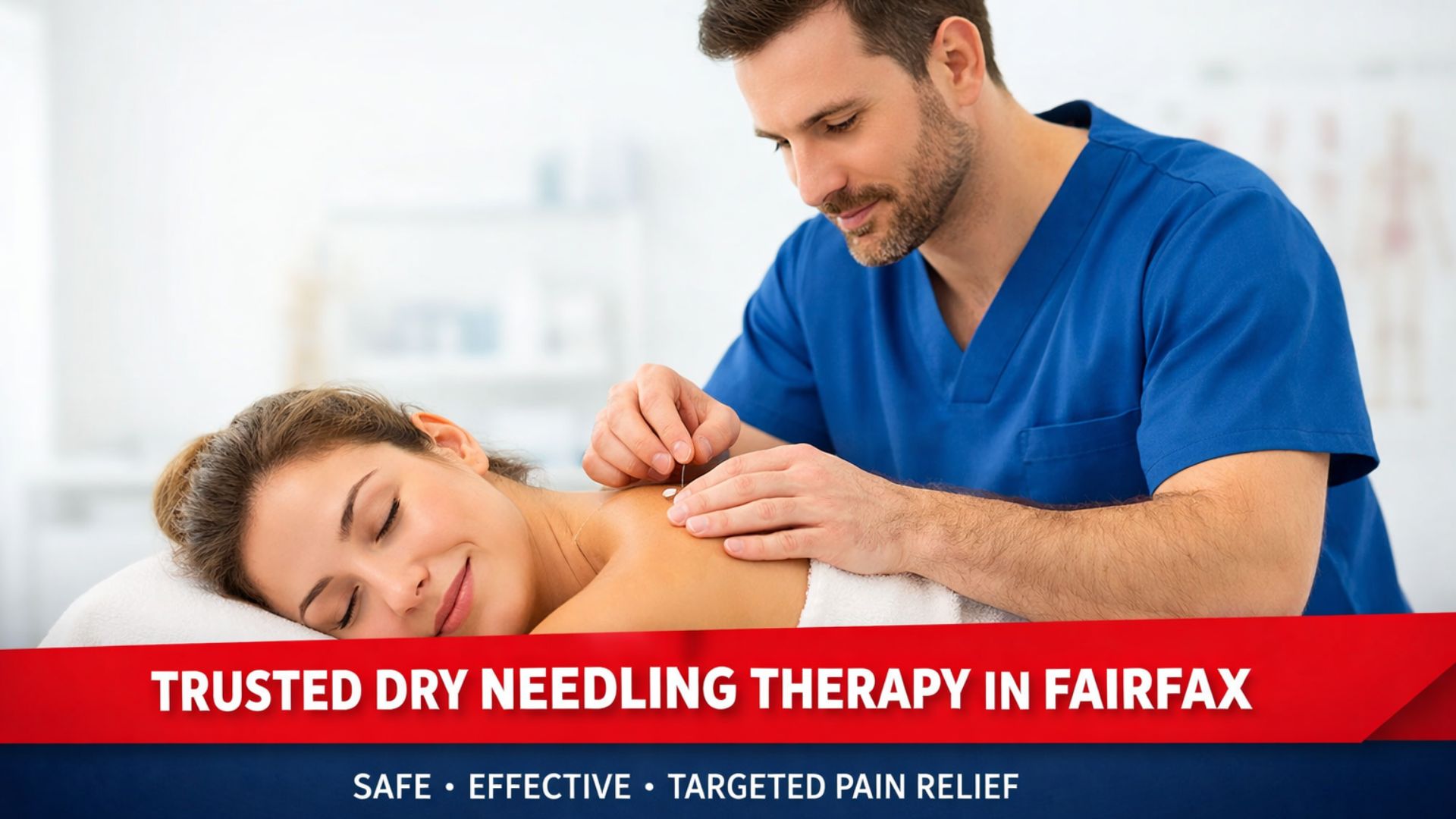
- dry needling post surgery (when appropriate)
- Gentle neuromuscular activation
Phase 2: Restoring Mobility and Control
As tissues heal, therapy shifts to:
- Controlled range of motion
- Joint positioning
- Muscle coordination
This phase prevents stiffness while protecting surgical repairs.
Phase 3: Strength and Load Reintroduction
Here we focus on:
- Progressive resistance
- Single-limb stability
- Functional movement patterns
This stage is critical for sports injury rehabilitation for Fairfax patients.
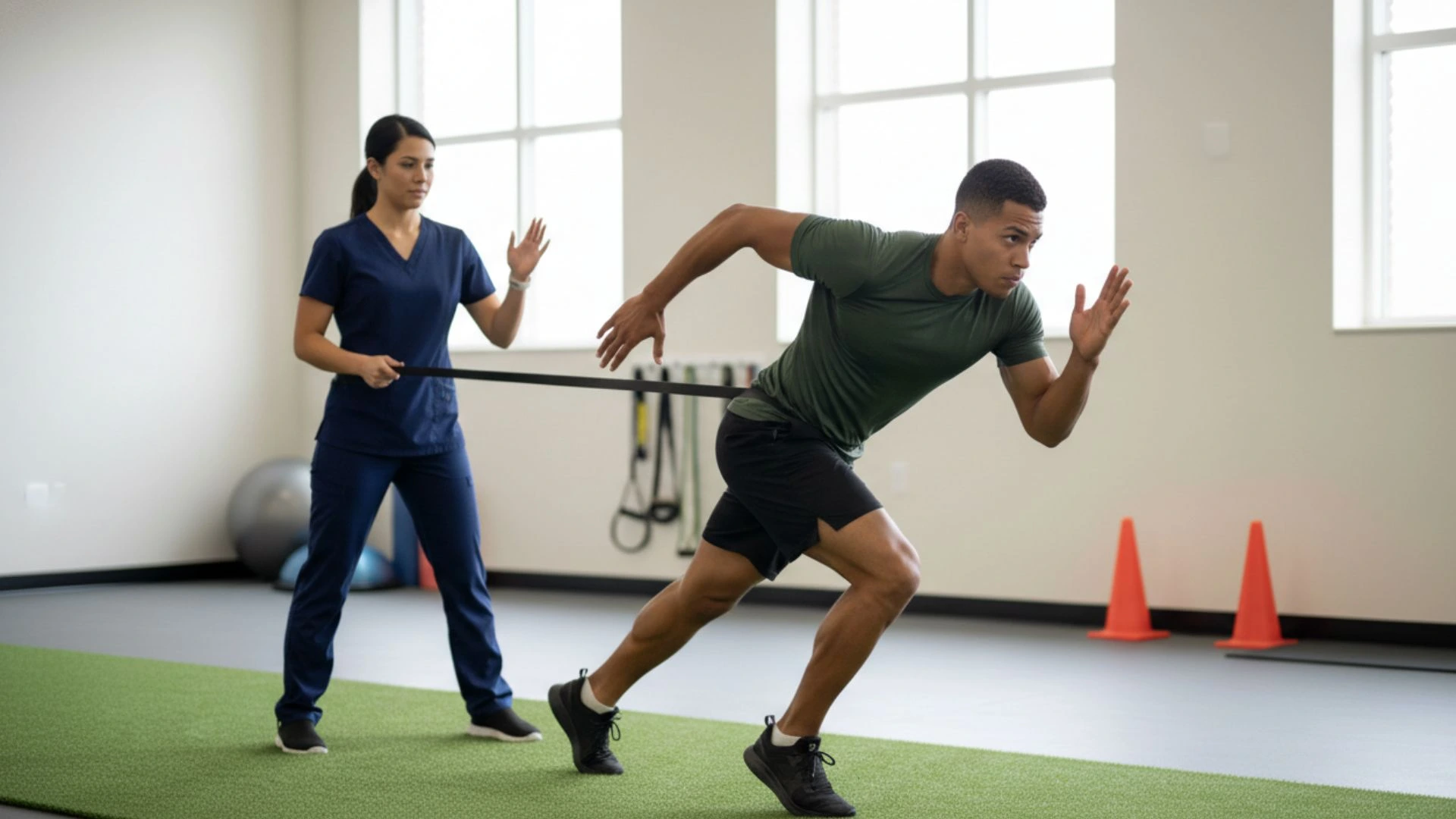
Phase 4: Return to Activity and Sport
For athletes and active individuals, rehab includes:
- Plyometrics
- Directional change
- Sport-specific drills
This ensures readiness, not just clearance.
Pain vs Progress: Understanding Post-Op Discomfort
Pain during rehab does not always signal damage. A skilled orthopedic physical therapist in Fairfax helps distinguish between:
- Healing discomfort
- Muscle fatigue
- Harmful pain signals
Learning this difference prevents fear-based movement avoidance.
Why Localized Care Matters in Fairfax, VA?
Choosing a local physical therapy clinic Fairfax offers advantages:
- Consistent care
- Easier follow-ups
- Stronger therapist-patient relationships
At Virginia’s Physical Therapy, we understand the activity demands, lifestyle patterns, and athletic culture of Fairfax residents, allowing more personalized rehab strategies.
The Psychological Side of Post-Surgical Recovery
Healing is not just physical.
Many patients struggle with:
- Fear of reinjury
- Loss of identity (especially athletes)
- Frustration with slow progress
Our approach integrates reassurance, education, and achievable milestones to rebuild confidence.
How Post-Op Rehab Prevents Future Injuries
Proper rehab reduces:
- Joint instability
- Muscle imbalances
- Faulty movement mechanics
This makes injury prevention physical therapy Fairfax a long-term investment—not just a short-term solution.
Call to Action (CTA)
If you’ve had surgery and want more than “just healing,” Virginia’s Physical Therapy offers expert post-op rehab in Fairfax designed for full recovery, not partial relief. Whether you’re an athlete aiming to return stronger or an individual seeking pain-free movement, our orthopedic physical therapy Fairfax programs are built around you.
Schedule your post-surgical evaluation today and take control of your recovery.
FAQ: Post-Surgery Rehab in Fairfax, VA
Q1: Is physical therapy really necessary after surgery?
Yes. Surgery repairs tissue, but physical therapy teaches your body how to use it again safely and effectively.
Q2: When should I start post-op rehab?
Most patients begin within days of surgery, depending on the procedure and surgeon’s protocol.
Q3: Can rehab help me avoid future surgeries?
Absolutely. Proper rehab restores strength, mobility, and control—reducing reinjury risk significantly.
Q4: Is post-op rehab only for athletes?
No. Anyone recovering from surgery benefits from structured rehabilitation.
Q5: How long does post-surgical rehab take?
Recovery timelines vary. At Virginia’s Physical Therapy, we focus on functional readiness, not rushed timelines.
Q6: Will therapy be painful?
Some discomfort is normal, but therapy should never feel unsafe. We tailor intensity carefully.