Concussions are a type of traumatic brain injury (TBI) caused by a bump, blow, or jolt to the head. While they are often considered mild injuries, concussions can have significant effects on your physical and cognitive well-being. Recognizing concussion symptoms and knowing when to seek professional help, including physical therapy, is vital for a smooth recovery.
Understanding Concussion Symptoms
Common Physical Symptoms
· Headache: A persistent or worsening headache is one of the hallmark signs of a concussion.
· Dizziness or Balance Issues: Feeling off-balance or experiencing vertigo is common after a concussion.
· Nausea or Vomiting: These symptoms often occur immediately after the injury but can persist.
· Blurred or Double Vision: Visual disturbances may signal underlying brain dysfunction.
· Sensitivity to Light and Noise: A heightened sensitivity to stimuli is a frequent complaint.
Cognitive Symptoms
· Memory Problems: Difficulty remembering events before or after the injury can indicate a concussion.
· Difficulty Concentrating: Feeling mentally foggy or struggling to focus is a red flag.
· Slow Processing Speed: Taking longer to complete tasks or respond to questions may be a symptom.
Emotional Symptoms
· Irritability or Mood Swings: Sudden changes in mood can be attributed to brain injury.
· Anxiety or Depression: Emotional distress is a less visible but significant consequence of concussions.
Sleep-Related Symptoms
· Fatigue or Drowsiness: Feeling excessively tired or having disrupted sleep patterns is common.
· Difficulty Falling or Staying Asleep: Sleep disturbances can hinder recovery.

When to Seek Medical Attention
While some concussion symptoms resolve on their own, others require immediate medical attention. Seek emergency care if you experience:
· Worsening headache or confusion
· Repeated vomiting
· Slurred speech
· Weakness or numbness in limbs
· Seizures
· Loss of consciousness
How Physical Therapy Helps
1. Addressing Balance and Dizziness: Vestibular therapy can improve balance and reduce dizziness by retraining the vestibular system.
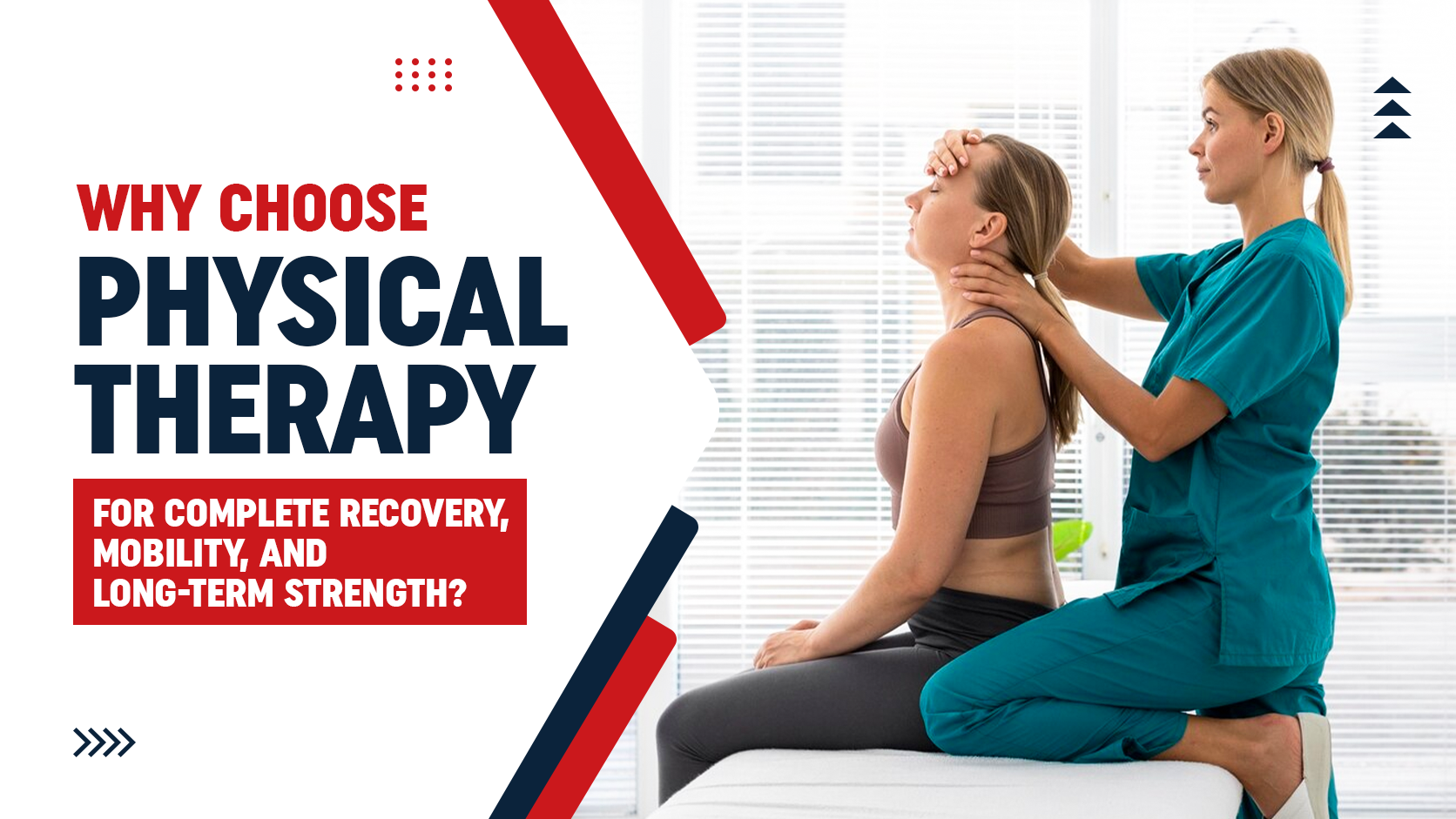
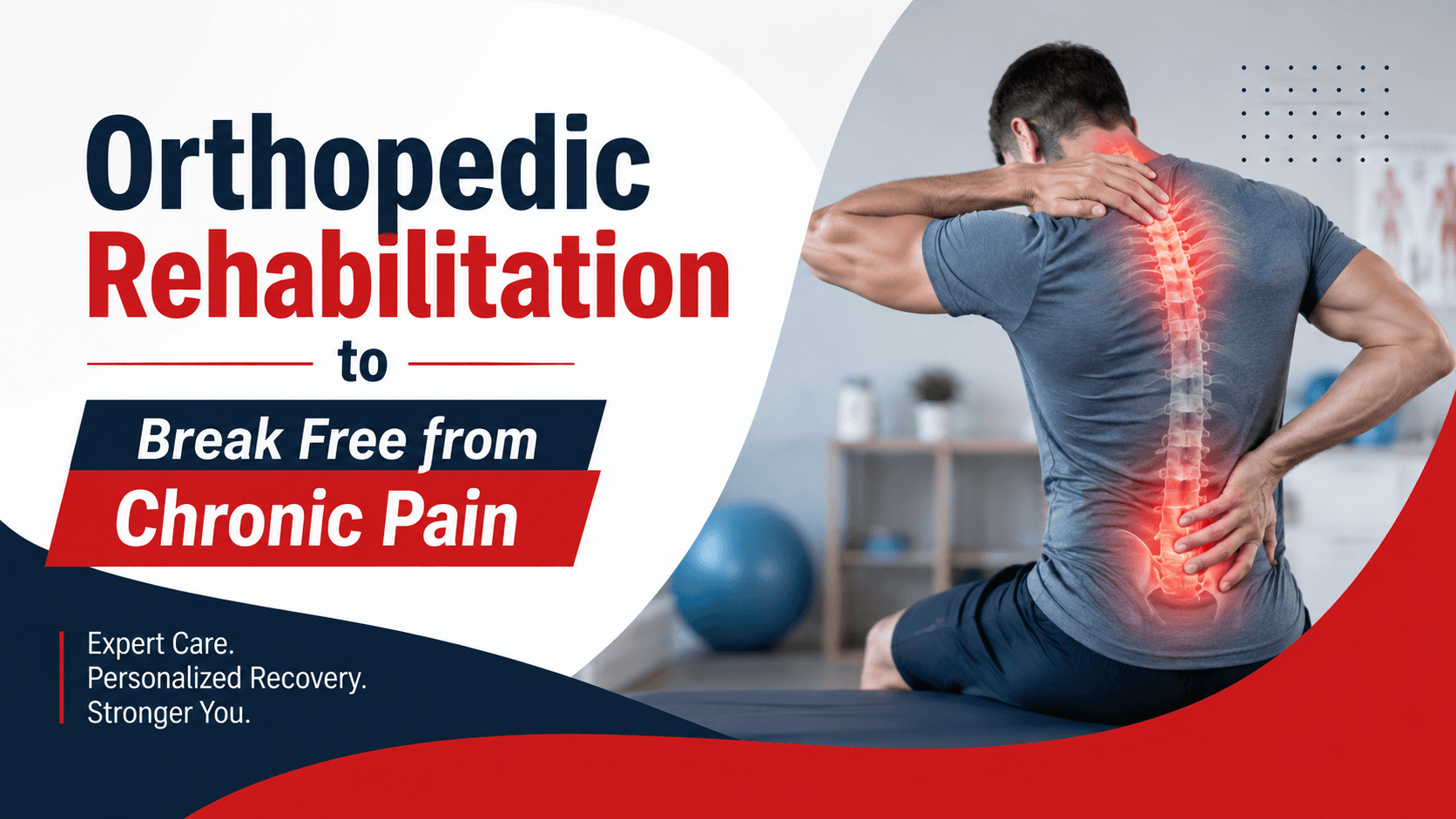
2. Managing Headaches and Neck Pain: Therapeutic exercises and manual therapy can relieve tension and restore mobility in the neck and shoulders.
3. Improving Cognitive Function: Physical therapists often collaborate with specialists to design exercises that enhance concentration and memory.
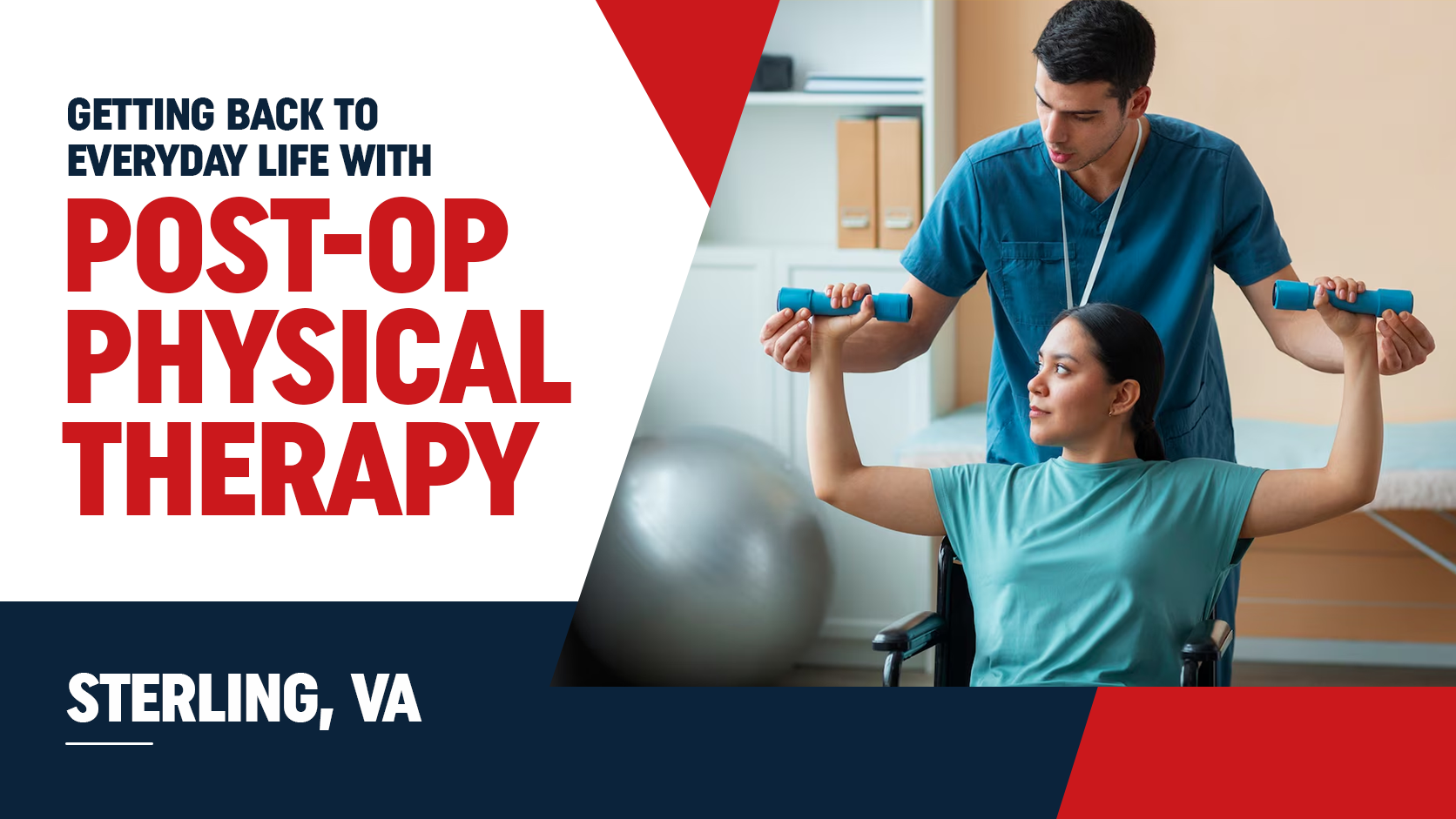
4. Restoring Physical Fitness: Graduated exercise programs help rebuild stamina while monitoring symptoms to prevent overexertion.
When to Consider Therapy
If you notice any of the following, it’s time to consult a physical therapist:
· Persistent symptoms lasting more than two weeks
· Difficulty returning to work, school, or daily activities
· Ongoing balance or coordination issues
· Increased sensitivity to light, noise, or motion
Tips for a Smooth Recovery
In addition to therapy, here are steps you can take to support your recovery:
· Rest: Adequate physical and mental rest is essential during the initial stages.
· Gradual Activity: Slowly resume daily tasks and physical activities under medical guidance.
· Avoid Triggers: Minimize exposure to bright lights, loud noises, and screen time.
· Stay Hydrated and Eat Well: Proper nutrition and hydration can aid brain healing.
Take control of your concussion recovery today!
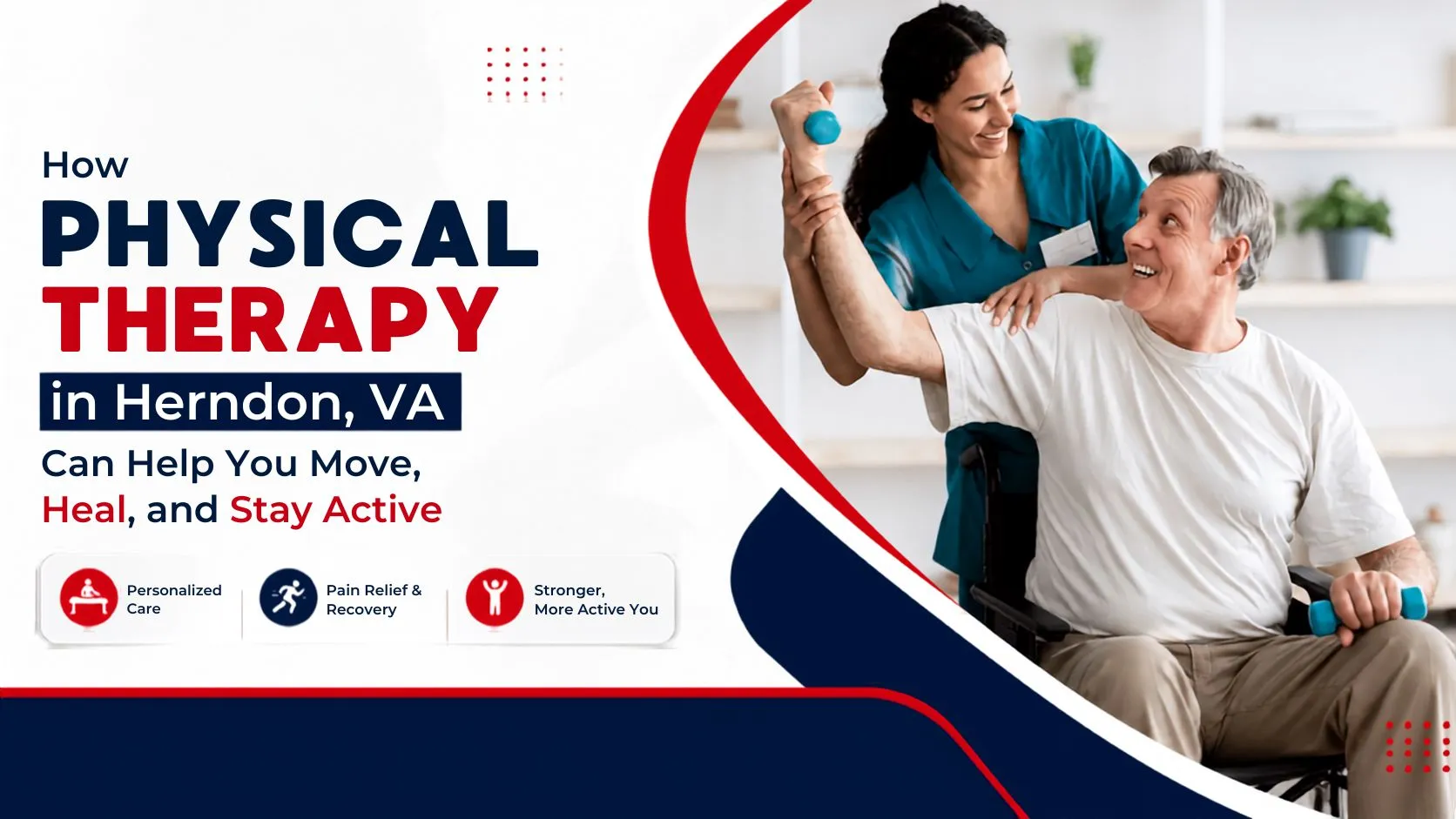
Virginia’s Physical Therapy specializes in personalized care, including concussion therapy and vestibular rehabilitation in Herndon, designed to address lingering symptoms and help you regain your quality of life. Visit our trusted physical therapy clinic in Herndon, VA and discover expert services tailored to your needs. Book an appointment now.