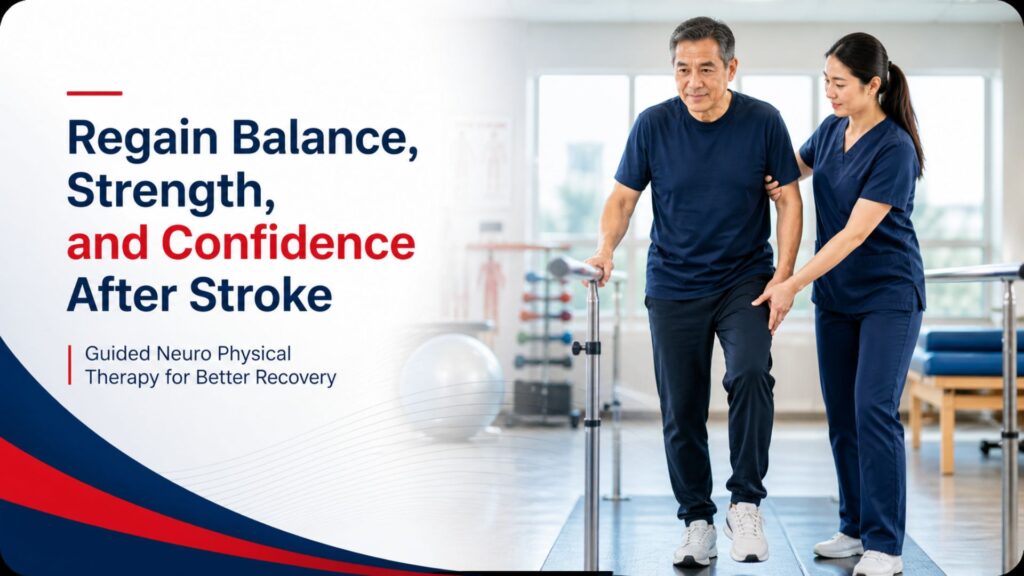
A stroke can change the way your body moves, balances, and responds to everyday tasks. Simple activities like standing up, walking across a room, or climbing stairs may suddenly feel difficult and unsafe. The good news is that recovery is possible with the right rehabilitation plan. For many survivors, searching for neuro physical therapy near me is one of the most important first steps toward regaining independence.
At Virginia’s Physical Therapy, specialized neurological care helps stroke survivors rebuild movement, improve coordination, and restore confidence through targeted rehabilitation programs designed for long-term recovery.
Why Stroke Affects Balance and Mobility
A stroke interrupts blood flow to the brain, which can damage the areas responsible for movement, coordination, strength, and balance. As a result, many stroke survivors experience:
- Muscle weakness on one side of the body
- Poor coordination and slower reaction time
- Difficulty walking or standing safely
- Dizziness and balance problems
- Increased risk of falls
- Trouble performing daily activities independently
These physical changes often make even routine tasks challenging. This is where post-stroke physiotherapy becomes essential. A structured rehabilitation program helps retrain the brain and body to work together more effectively again.
What Is Neurological Rehabilitation?
Neurological rehabilitation is a specialized form of therapy designed for individuals recovering from conditions that affect the nervous system, including stroke, Parkinson’s disease, multiple sclerosis, neuropathy, traumatic brain injury, and gait disorders.
Unlike general therapy, neurological rehabilitation focuses on improving the communication between the brain, nerves, and muscles. After a stroke, the brain often needs to “rewire” itself to restore movement patterns. This process, known as neuroplasticity, is a key part of stroke recovery and is supported through consistent, guided therapy.
At Virginia’s Physical Therapy, treatment plans are built around evidence-based neurological rehabilitation strategies to help patients improve mobility, coordination, and daily function.
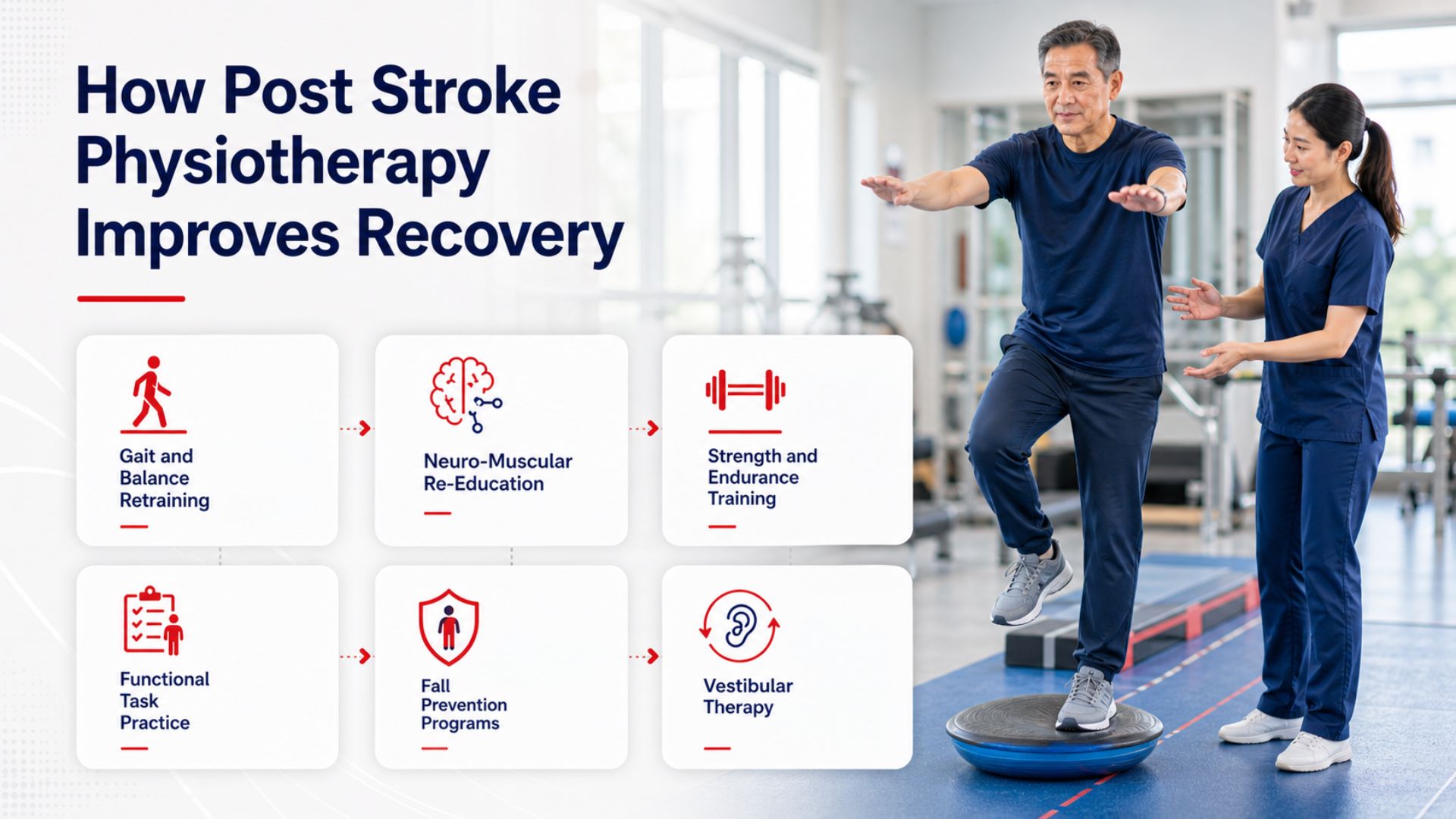
How Post Stroke Physiotherapy Improves Recovery
The goal of post-stroke physiotherapy is not just to help patients move again, but to help them move safely, efficiently, and confidently. Stroke rehabilitation is most effective when treatment is personalized and focused on practical goals.
At Virginia’s Physical Therapy, stroke recovery programs may include:
Gait and Balance Retraining
Many stroke survivors struggle with walking due to weakness, poor coordination, or balance loss. Gait retraining helps improve walking mechanics, foot placement, posture, and stability to reduce fall risk and increase independence.
Neuro-Muscular Re-Education
This treatment helps retrain weakened muscles and restore movement patterns affected by stroke. It focuses on improving how the brain signals muscles to perform controlled movement.
Strength and Endurance Training
Stroke often causes muscle weakness and fatigue. Progressive strengthening exercises improve muscle control, stamina, and mobility for daily activities.

Functional Task Practice
Therapy includes practicing real-life movements such as standing up from a chair, climbing stairs, reaching, and walking on uneven surfaces. These exercises directly improve independence at home and in the community.
Fall Prevention Programs
Stroke survivors are at a much higher risk of falling. Fall prevention strategies improve safety awareness, coordination, and confidence while moving.
Vestibular Therapy (If Needed)
For patients experiencing dizziness or balance issues after a stroke, vestibular therapy may be included to improve stability and reduce motion-related symptoms. If you’re unsure how this differs from neuro rehab, explore our findings on
Vestibular Therapy vs Neurological Rehabilitation: What’s the Difference?
Also, read more about the 6 Core Exercises For Knee Arthritis: Build Up Your Middle to Reduce Knee Pain, and when Outpatient Total Joint Replacement is a necessity.
Key Benefits of Neuro Physical Therapy Near Me
When stroke survivors begin working with a specialist in neuro physical therapy near me, they often experience improvements that go far beyond mobility alone.
The benefits of post-stroke physiotherapy often include:
- Improved walking and movement control
- Better coordination and body awareness
- Reduced fall risk
- Increased strength and endurance
- Greater independence with daily activities
- Improved confidence and quality of life
Because every stroke affects the body differently, individualized treatment is critical for lasting recovery.
Why Choose Virginia’s Physical Therapy for Stroke Recovery?
Choosing the right provider for physical therapy in Fairfax, VA, can make a major difference in stroke recovery outcomes.
At Virginia’s Physical Therapy, patients receive one-on-one care from experienced therapists with specialized training in neurological rehabilitation. Every treatment plan is personalized to the patient’s condition, goals, and pace of recovery.
Patients choose Virginia’s Physical Therapy because of:
- Experienced and licensed therapists trained in neurological care
- State-of-the-art facilities in Herndon and Fairfax, VA
- Evidence-based treatment methods
- One-on-one therapist sessions
- Advanced rehabilitation equipment
- Personalized, patient-centered care
The team treats a wide range of neurological conditions, including stroke (CVA), Parkinson’s disease, multiple sclerosis, neuropathy, brain injury, and gait or coordination disorders.
For patients searching for trusted physical therapy in Fairfax, VA, the focus is always on helping each person recover, rebuild, and thrive.
Start Your Stroke Recovery Journey
Recovering from a stroke takes time, consistency, and the right support system. With expert post stroke physiotherapy, stroke survivors can improve balance, regain mobility, and return to daily life with greater confidence.
If you or a loved one is looking for neuro physical therapy near me, Virginia’s Physical Therapy offers compassionate, evidence-based care designed to restore function and independence.
Ready to begin? Visit the Neurological Rehabilitation page to learn more or request an appointment today!