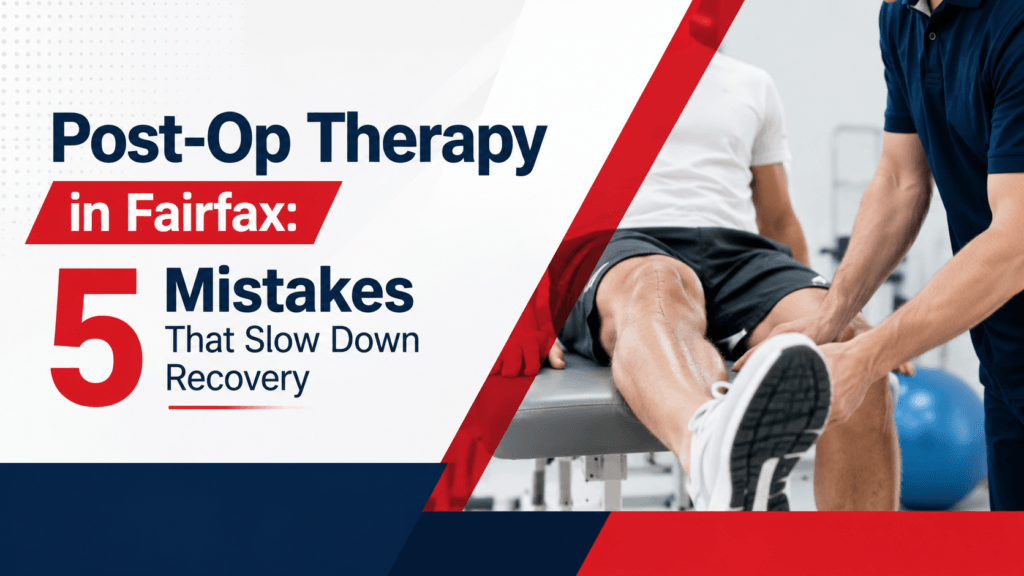
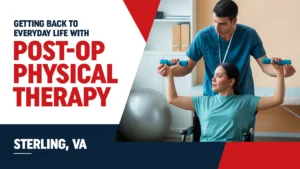
Recovering from surgery takes more than rest. Choosing the right post-op rehab Fairfax program, following your therapist’s guidance, and avoiding common rehabilitation mistakes can help reduce pain, restore mobility, and speed up recovery. A personalized rehabilitation plan ensures you regain strength safely while minimizing the risk of complications or re-injury.
Key Takeaways
- Post-surgical rehabilitation is essential for restoring strength, mobility, and function.
- Delaying therapy or skipping exercises can prolong recovery.
- Personalized rehabilitation plans improve long-term surgical outcomes.
- Physical therapists monitor your progress and adjust treatment based on your recovery.
- Virginia’s Physical Therapy provides evidence-based post-operative rehabilitation designed around your surgeon’s protocol and your personal goals.
Surgery Was Just the Beginning: Your Recovery Determines the Outcome
Many patients believe the hardest part is over once surgery is complete. While surgery corrects the underlying issue, it’s rehabilitation that determines how well and how quickly you return to your normal routine.
Unfortunately, many people unknowingly make recovery mistakes that slow healing, reduce mobility, and increase the likelihood of stiffness, weakness, or future injuries. Whether you’ve undergone a joint replacement, ligament reconstruction, tendon repair, or spinal surgery, your rehabilitation journey deserves as much attention as the surgery itself.
If you’re looking for post-op rehab services in Fairfax, understanding what not to do can significantly improve your recovery experience.
Why Is Post-Surgical Physical Therapy So Important?
After surgery, your muscles weaken, joints become stiff, and normal movement patterns change. Without guided rehabilitation, these issues may persist long after the surgical site has healed.
A structured rehabilitation program helps patients:
- Reduce pain and swelling
- Restore flexibility and joint mobility
- Improve muscle strength
- Minimize scar tissue formation
- Safely regain independence
- Return to work, sports, and daily activities sooner
At Virginia’s Physical Therapy, our therapists work closely with your surgeon’s rehabilitation protocol while tailoring every treatment plan to your specific procedure, recovery stage, and personal goals.
Mistake #1: Waiting Too Long to Start Physical Therapy
One of the biggest misconceptions is that complete rest leads to faster healing.
While your body certainly needs time to recover, delaying rehabilitation may result in:
- Increased joint stiffness
- Reduced flexibility
- Muscle weakness
- Longer recovery timelines
Your physical therapist knows when and how to introduce safe movement without compromising your surgical repair. Beginning therapy at the appropriate stage often promotes healthier healing while improving long-term function.
Mistake #2: Skipping Your Home Exercise Program
Many patients work hard during therapy sessions but neglect the exercises assigned at home.
Your rehabilitation doesn’t stop when you leave the clinic.
Home exercises help:
- Reinforce therapy sessions
- Maintain joint mobility
- Improve muscle strength
- Accelerate functional recovery
Consistency not intensity is what produces lasting improvements.
Mistake #3: Trying to Do Too Much Too Soon
Feeling better doesn’t always mean your body is fully healed.
Many patients return to work, sports, or strenuous activities before their tissues have regained adequate strength. Doing too much too early can increase inflammation, delay healing, or even damage the repaired structures.
This is why every rehabilitation milestone should be guided by clinical assessments rather than pain levels alone.
If you’re an active individual eager to return to sports or fitness, you may also enjoy our guide on Sports Injury Prevention Tips From Physical Therapists in Reston and Fairfax, which explains how proper rehabilitation reduces the risk of future injuries.
Mistake #4: Ignoring Pain or New Symptoms
Some discomfort during rehabilitation is expected.
However, increasing pain, excessive swelling, numbness, or sudden loss of movement should never be ignored.
Regular communication with your physical therapist allows treatment plans to be adjusted based on your progress while identifying potential complications before they become serious.
Our therapists continuously monitor recovery to ensure every patient progresses safely and confidently.
Mistake #5: Choosing a Generic Rehabilitation Program
No two surgeries or patients recover the same way.
Factors such as age, overall health, surgical procedure, activity level, and personal goals all influence rehabilitation.
A personalized post-operative rehabilitation plan considers:
- Your surgeon’s recommendations
- Healing timeline
- Strength deficits
- Range of motion limitations
- Functional goals
- Daily lifestyle requirements
At Virginia’s Physical Therapy, we provide individualized, one-on-one care designed specifically around your recovery, not a standardized exercise sheet.
What Conditions Benefit From Post-Surgical Rehabilitation?
Our comprehensive rehabilitation programs support recovery after:
- Total knee replacement
- Total hip replacement
- ACL reconstruction
- Meniscus repair
- Rotator cuff repair
- Fracture repair
- Tendon surgery
- Nerve surgery
- Spinal surgery
Every treatment plan focuses on reducing pain, restoring movement, rebuilding strength, and improving overall function.

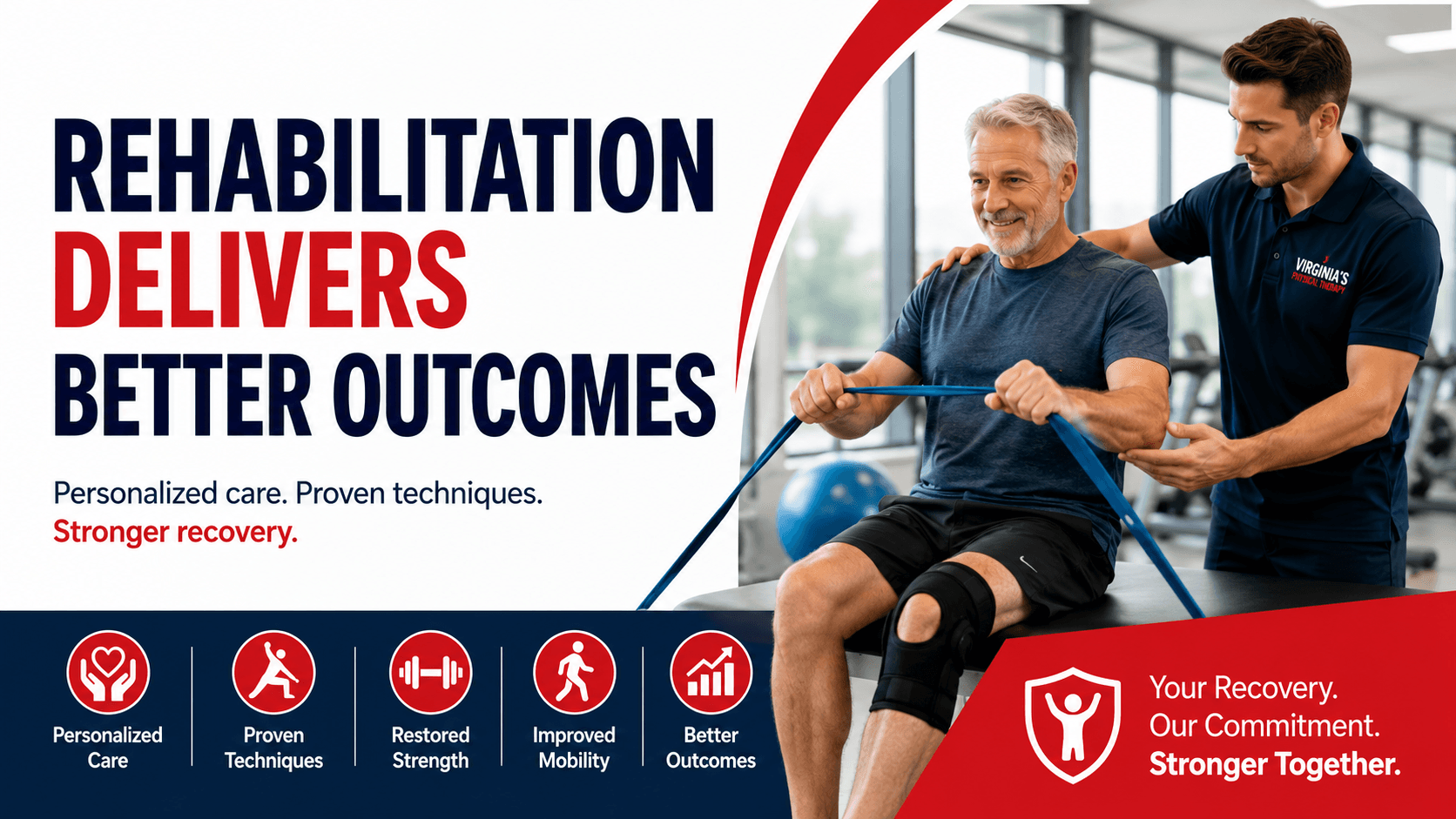
Why Personalized Rehabilitation Delivers Better Outcomes
Successful rehabilitation involves far more than completing exercises.
Evidence-based treatment combines:
- Manual therapy
- Therapeutic exercise
- Progressive strengthening
- Mobility training
- Functional movement retraining
- Continuous progress tracking
This patient-centered approach promotes safer healing while helping patients regain confidence throughout recovery.
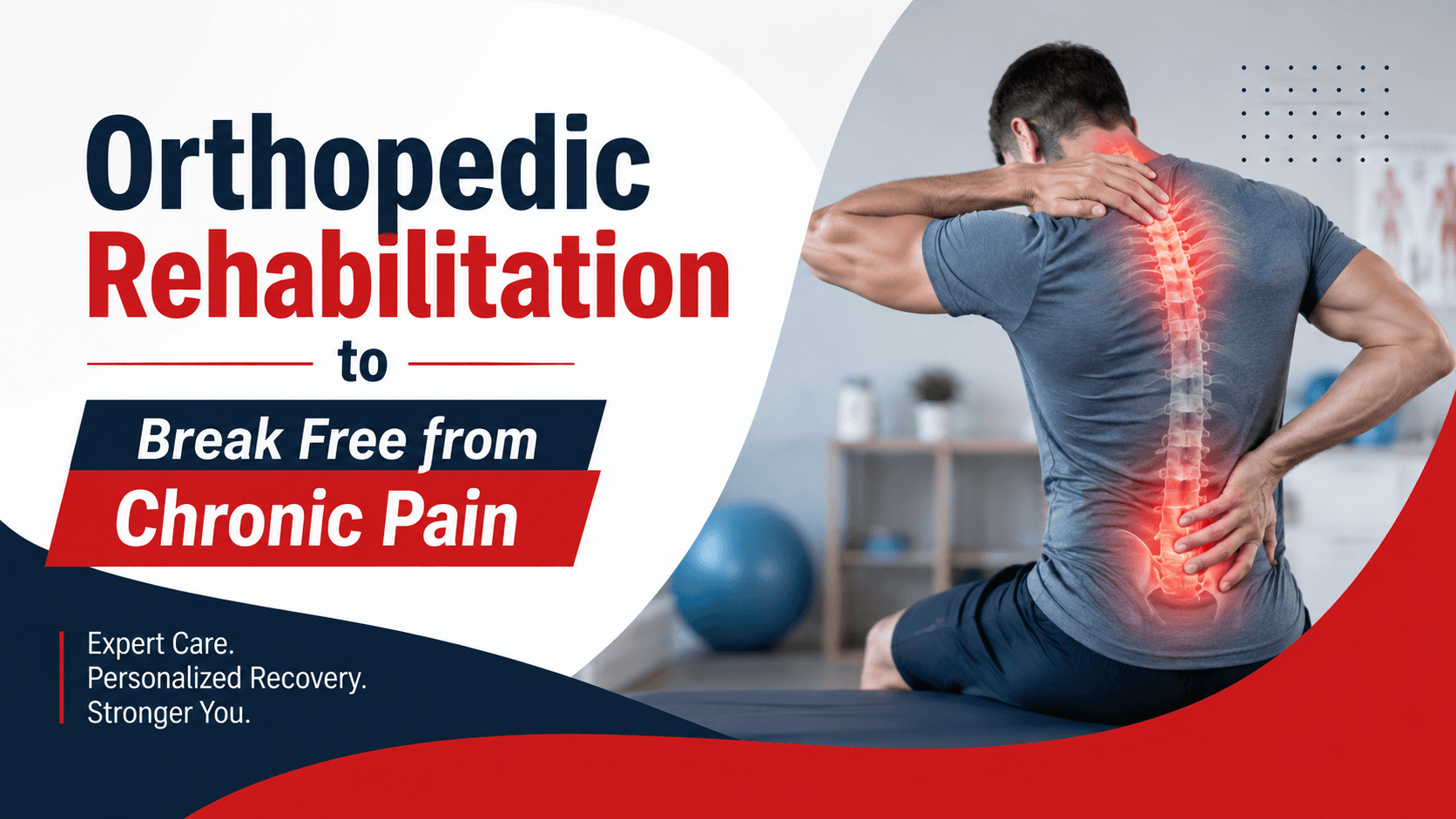
Patients managing long-term joint pain after surgery may also find our article Why Active Adults in Herndon Are Turning to Orthopedic Rehabilitation for Chronic Pain helpful for understanding how rehabilitation supports lasting mobility and function.
Similarly, if balance challenges develop during recovery, our guide Balance Problems in Older Adults: How Fairfax Physical Therapy Improves Stability explains how targeted therapy can restore confidence and reduce fall risks.
Why Patients Trust Virginia’s Physical Therapy
Recovering from surgery requires more than clinical expertise. It requires a team committed to your success.
At Virginia’s Physical Therapy, we provide advanced rehabilitation technology, evidence-based treatment methods, and one-on-one therapy sessions to help patients recover safely after orthopedic procedures.
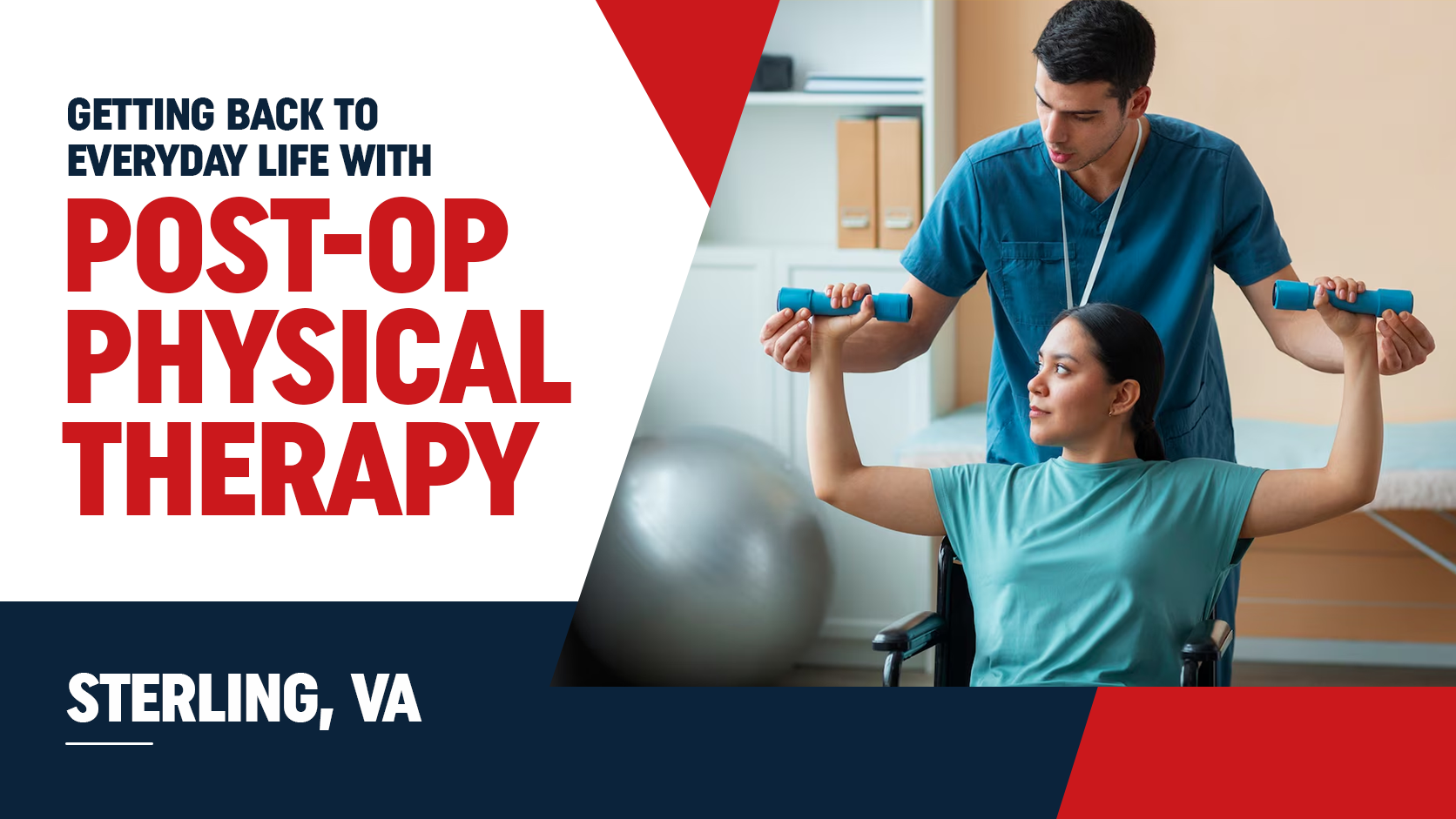
Whether you’re searching for post-op therapy in McLean, VA, orthopedic rehabilitation in Herndon, VA, or post-op physical therapy in Sterling, VA, our experienced therapists develop customized rehabilitation programs that prioritize your comfort, progress, and long-term recovery goals.
From your first evaluation through every stage of recovery, we work closely with your surgeon’s recommendations while adapting your treatment plan as you improve.
Frequently Asked Questions
1. How soon should I begin post-operative physical therapy?
Your surgeon and physical therapist will determine the safest timeline based on your procedure. Beginning rehabilitation at the appropriate time often supports faster recovery and improved long-term outcomes.
2. What surgeries benefit from post-operative rehabilitation?
Physical therapy is recommended after procedures such as knee and hip replacements, ACL reconstruction, rotator cuff repair, spinal surgery, fracture repair, tendon surgery, and meniscus repair.
3. How long does post-surgical rehabilitation usually last?
Recovery varies depending on the type of surgery, your overall health, and individual progress. Many patients notice improvements within weeks, while complete recovery may take several months.
4. Can physical therapy reduce scar tissue and stiffness?
Yes. Guided mobility exercises, manual therapy, and progressive rehabilitation techniques help reduce stiffness, improve flexibility, and support healthy tissue healing.
Recover with Confidence at Virginia’s Physical Therapy
Surgery is only one step toward recovery. At Virginia’s Physical Therapy, we combine clinical expertise, compassionate one-on-one care, and personalized rehabilitation programs to help our patients regain strength, restore mobility, and return to the activities they enjoy with confidence.
Whether you’re recovering from a joint replacement, ligament repair, spinal procedure, or tendon surgery, we’re here to guide you through every stage of your recovery journey. Schedule your personalized post-operative rehabilitation consultation today and let us help you recover stronger, safer, and faster.
Frequently Asked Questions