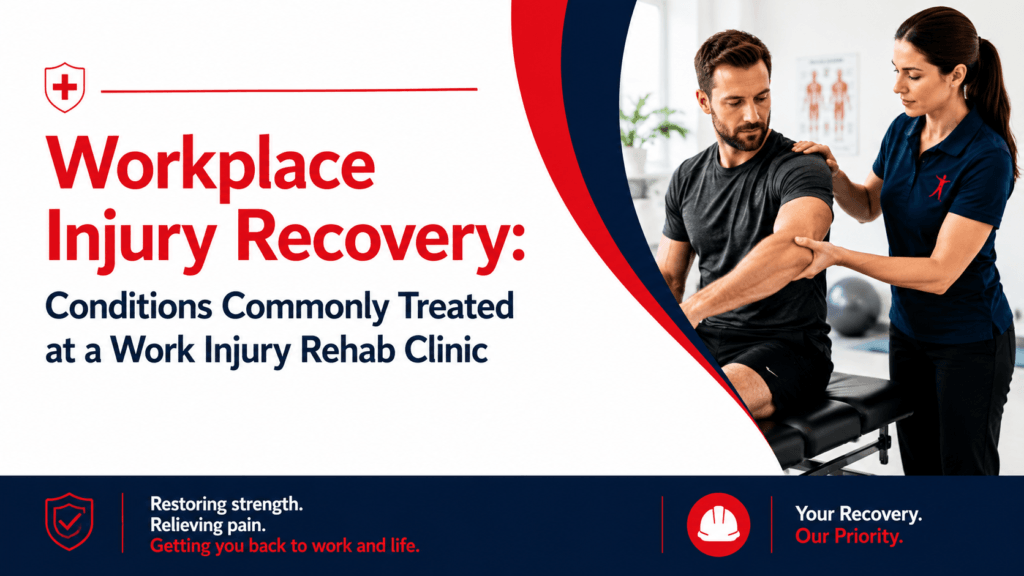
A workplace accident may strike at any time. One wrong lift, a repetitive task performed day after day, or a slip on the job can leave you dealing with pain that affects both work and daily life. When that happens, many people start searching for a work injury rehab clinic near me to get the right support and begin recovering safely.
So, what happens at a work injury rehab clinic, and why isn’t general treatment always enough after a workplace injury? Let’s explore the key aspects of workplace injury rehabilitation and recovery.
Why Do Workplace Injuries Often Require Specialised Rehabilitation?
A work injury might influence your mobility, lifting ability, bending or reaching capacity, and even performance of usual tasks at your workplace. Even a small injury can become a reason why you find it hard to fulfil your obligations because of pain or impaired movement.
Here comes the importance of rehabilitation. The physical therapist takes into consideration the particular requirements that are related to your job and assists you in dealing with movement impairment and improving your functioning.
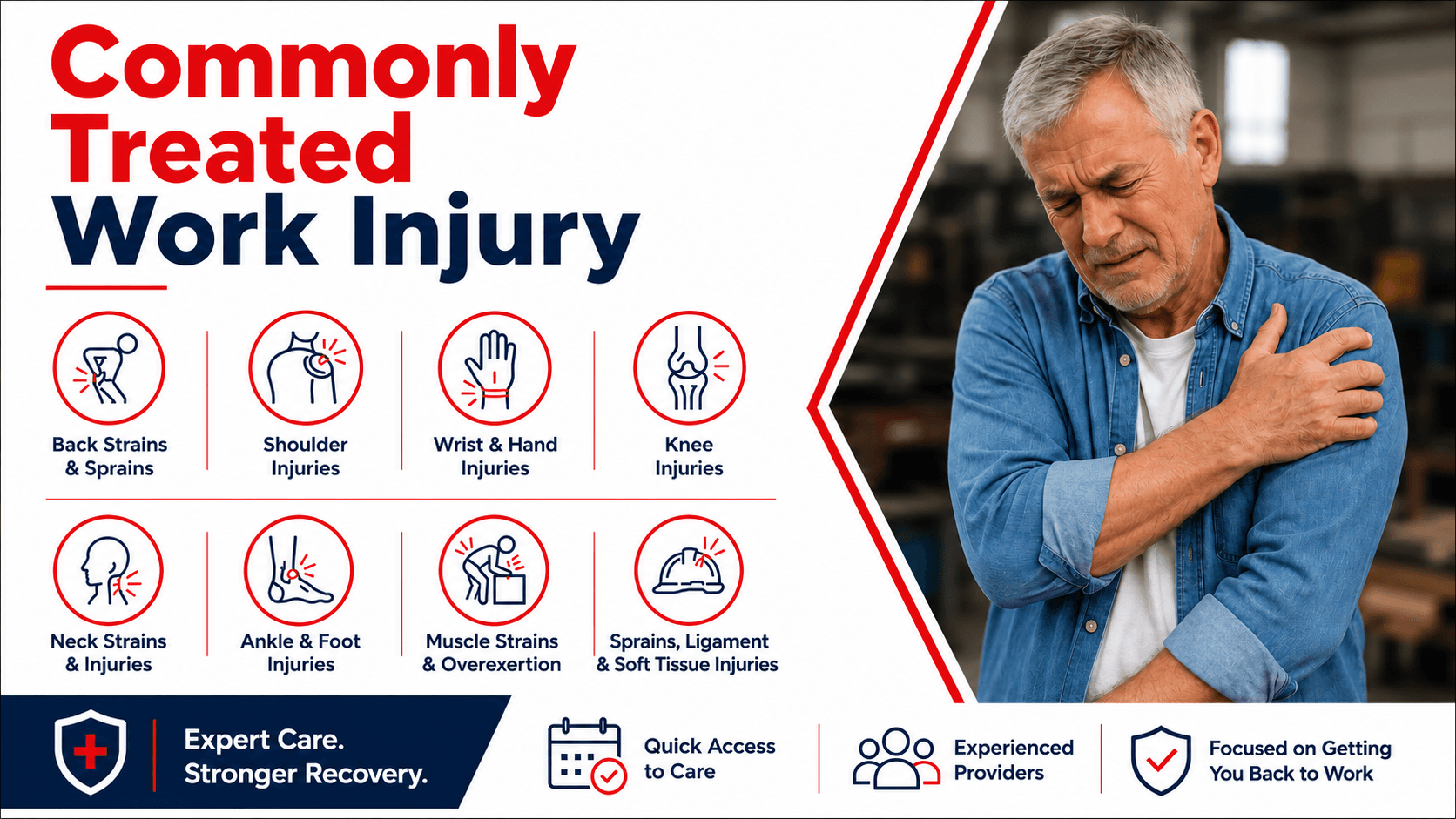
What Conditions Are Commonly Treated at a Work Injury Rehab Clinic?
There are a wide range of work-related injuries that are treated in a work injury rehab clinic in Herndon. Workers’ compensation rehabilitation helps individuals recover from different types of injuries while working toward normal movement and function again.
Here are the most common injuries that are treated:
1. Back and Neck Injuries
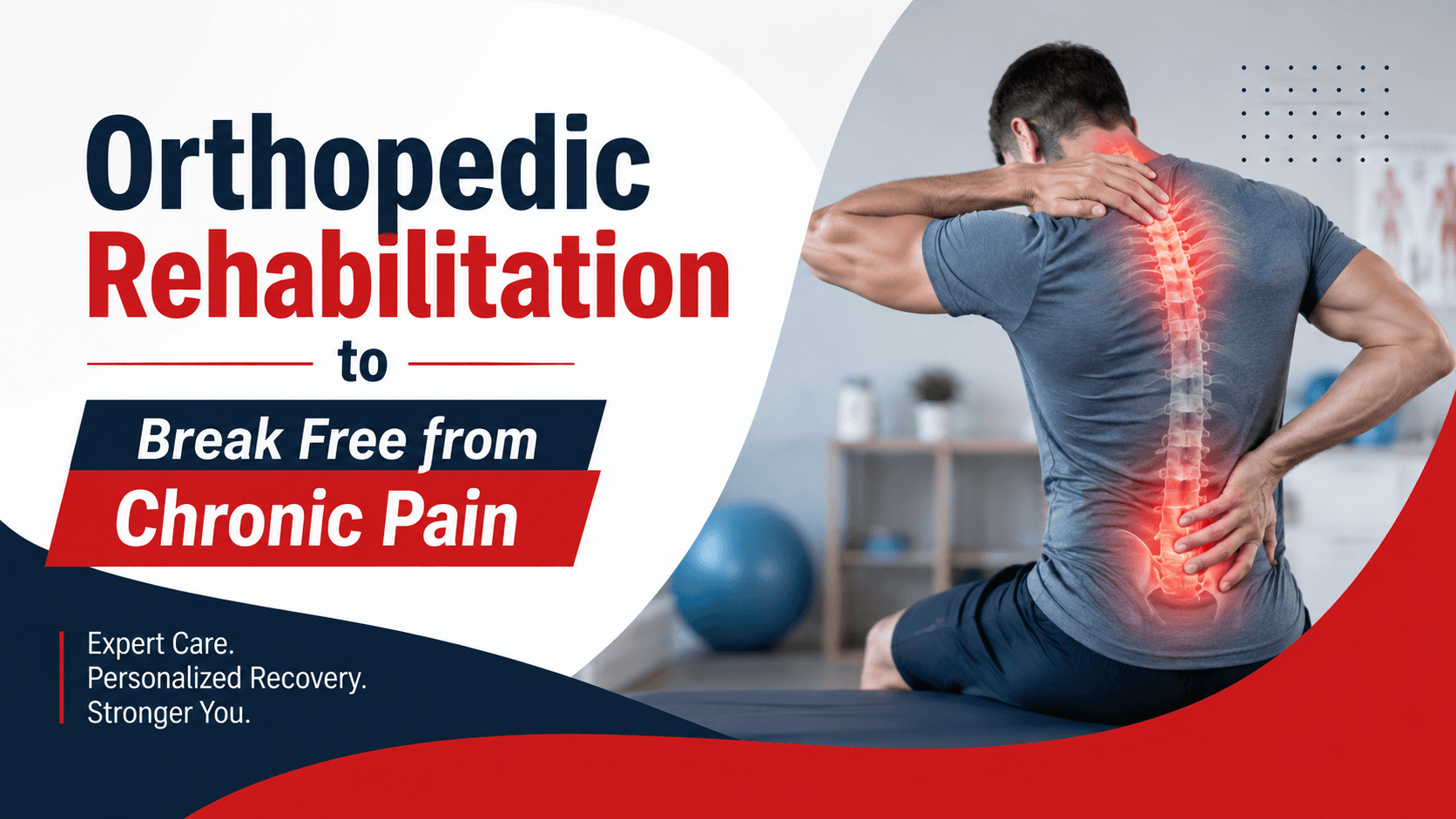
Back and neck pain are the most common cause for rehabilitation among employees. Such injuries impact posture, mobility, ability to lift, and general well-being during work-related activities.
2. Joint and Muscular Injuries
Accidents at work and repetitive movements associated with particular jobs could strain muscles and joints. Workers’ compensation rehabilitation focuses on improving strength and mobility, so injured workers can perform daily job tasks more comfortably.
3. Repetitive Stress Syndromes
Repetitive workplace tasks can place ongoing stress on the body, leading to discomfort, stiffness, and movement restrictions over time. Rehabilitation programs help address these issues while improving overall physical function.
4. Functional Limitations in Movement
Some workers might have problems completing job-specific tasks as a result of injuries. Workers’ compensation rehabilitation involves improving the physical capacity that is required for daily activities.

How Does a Work Injury Therapist Support Recovery?
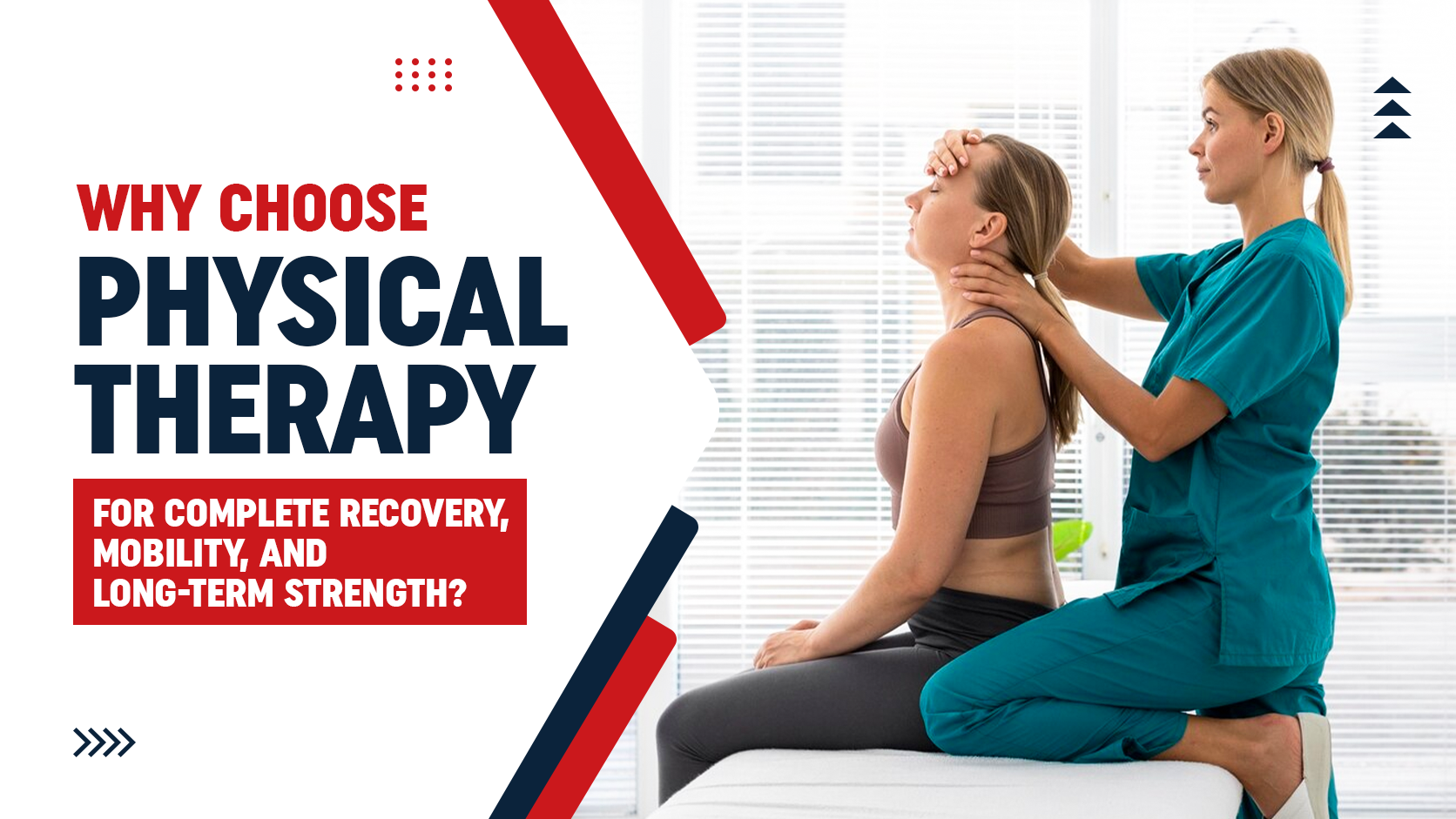
The process of recovering from an injury sustained at work goes beyond just waiting for the pain to heal. A work injury therapist in Fairfax or a work injury therapist in Herndon first creates a structured rehabilitation plan based on the particular requirements of the worker. The entire plan focuses on restoring function, improving movement, and supporting a safe return to work.
Here’s how they support the recovery process:
Individualised Treatment Plan
The program is customised to meet the needs of the patient, injury, job, and specific recovery goals.
Strengthening and Mobility Enhancement
Rehabilitation exercises help enhance mobility, flexibility and physical capabilities.
Regular Tracking of Progress
Your rehabilitation program will be monitored and reviewed regularly.
Helping in Performing Job Duties
Care is designed to help patients regain the physical abilities needed for workplace tasks.
Building Confidence for Returning to Work
A rehabilitation plan is crucial in building self-assurance to return to work and help them feel more comfortable and prepared.
Supporting Your Return to Work With Virginia Physical Therapy
Recovering from a workplace injury often requires more than rest alone.
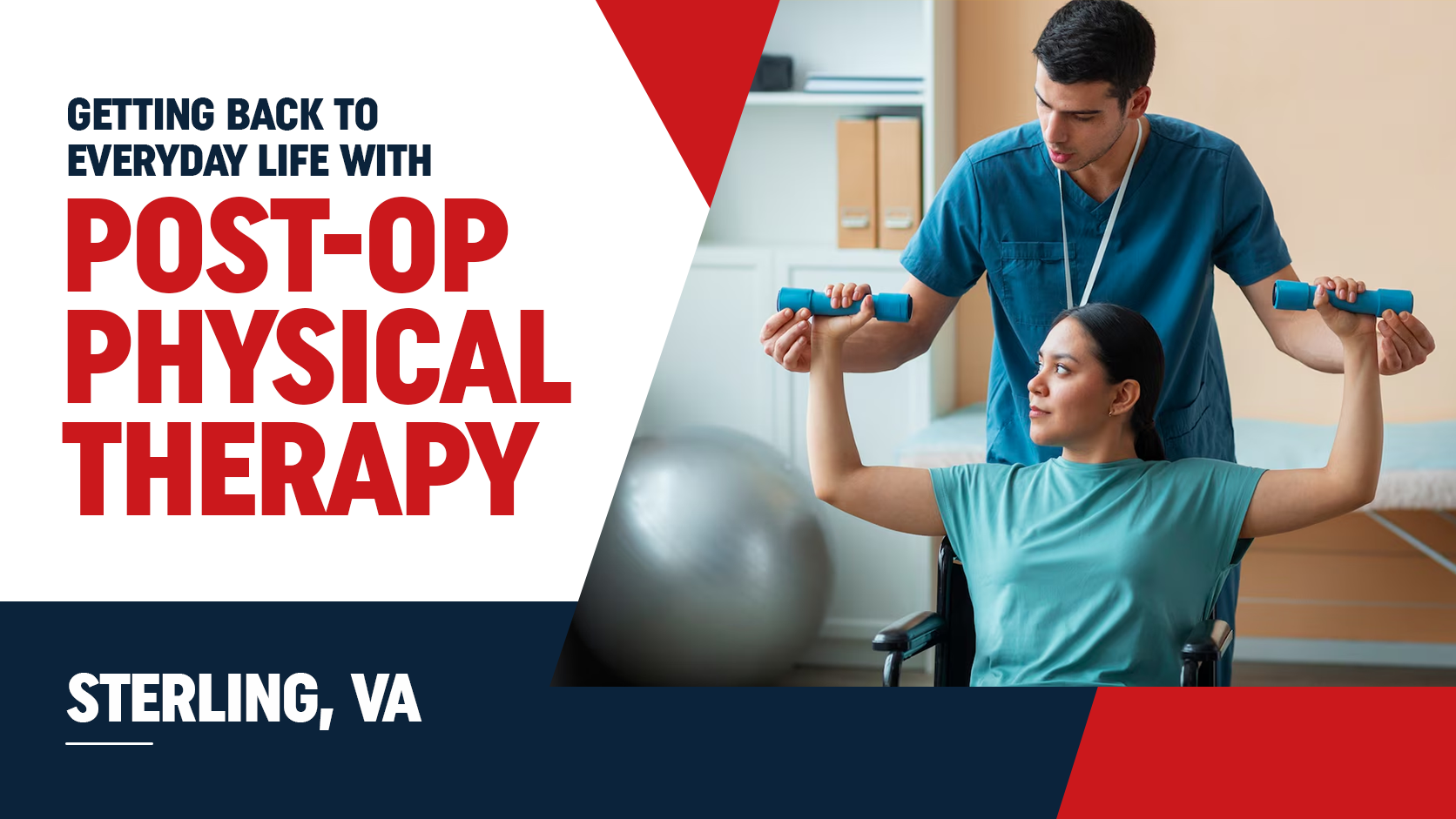
At Virginia Physical Therapy, our workers’ compensation rehabilitation programs are designed to help injured employees regain movement, improve function, and work toward a safe return to their jobs.
Our comprehensive program includes:
- Cardiovascular and strength training to rebuild physical capacity.
- Job simulation activities such as lifting, pushing, and pulling.
- Ergonomic training for safer workplace movement.
- Flexibility and posture exercises to improve mobility.
- Functional progress monitoring throughout recovery.
Are you ready to return to work and feel confident again? Take the next step toward recovery and schedule your workplace injury rehabilitation appointment today.
FAQs