If you’re dealing with dizziness, balance issues, or movement challenges, you may have come across both vestibular therapy and neurological rehabilitation while searching for answers. While these treatments can overlap, they are not the same. Understanding the difference can help you choose the right care and find the most effective path to recovery.
If you’ve been searching for neuro physical therapy near me, it’s important to know whether your symptoms are related to the vestibular system, the nervous system, or both. At Virginia’s Physical Therapy, patients receive personalized treatment plans designed to address the root cause of their symptoms and restore safe, confident movement.
What Is Vestibular Therapy?
Vestibular therapy is a specialized form of rehabilitation used to treat dizziness, vertigo, balance problems, and motion sensitivity caused by issues in the inner ear or vestibular system.
The vestibular system helps your brain understand head movement and body position. When it is not functioning properly, it can lead to symptoms such as:
- Dizziness or vertigo
- Lightheadedness
- Poor balance
- Motion sensitivity
- Nausea with movement
- Difficulty focusing while walking
Vestibular physical therapy uses targeted exercises to retrain the brain and body to respond better to balance and motion signals. This therapy is often recommended for conditions such as:
- Benign Paroxysmal Positional Vertigo (BPPV)
- Vestibular neuritis
- Labyrinthitis
- Chronic dizziness
- Post-concussion dizziness
- Balance disorders related to inner ear dysfunction
Treatment may include gaze stabilization, balance retraining, head movement exercises, and repositioning techniques to reduce dizziness and improve stability.
What Is Neurological Rehabilitation?
Neurological rehabilitation is a broader, more comprehensive treatment approach designed for individuals with conditions affecting the brain, spinal cord, or nervous system.
Unlike vestibular therapy, neurological rehabilitation focuses on restoring movement, coordination, strength, and daily function after neurological injury or disease.
This form of care is often recommended for:
- Stroke (CVA)
- Parkinson’s disease
- Multiple sclerosis (MS)
- Neuropathy
- Brain injury / TBI
- Gait and balance disorders
- Coordination and movement deficits
For many patients searching for neuro physical therapy near me, neurological rehabilitation is the right fit when symptoms involve muscle weakness, coordination problems, walking difficulty, or reduced independence due to nervous system dysfunction.
At Virginia’s Physical Therapy, neurological rehabilitation may include:
- Gait and balance retraining
- Neuro-muscular re-education
- Strength and endurance training
- Functional task practice
- Fall prevention programs
- Vestibular therapy (if needed)
Because neurological conditions often affect multiple systems at once, treatment is designed to improve mobility, coordination, and confidence in daily life.

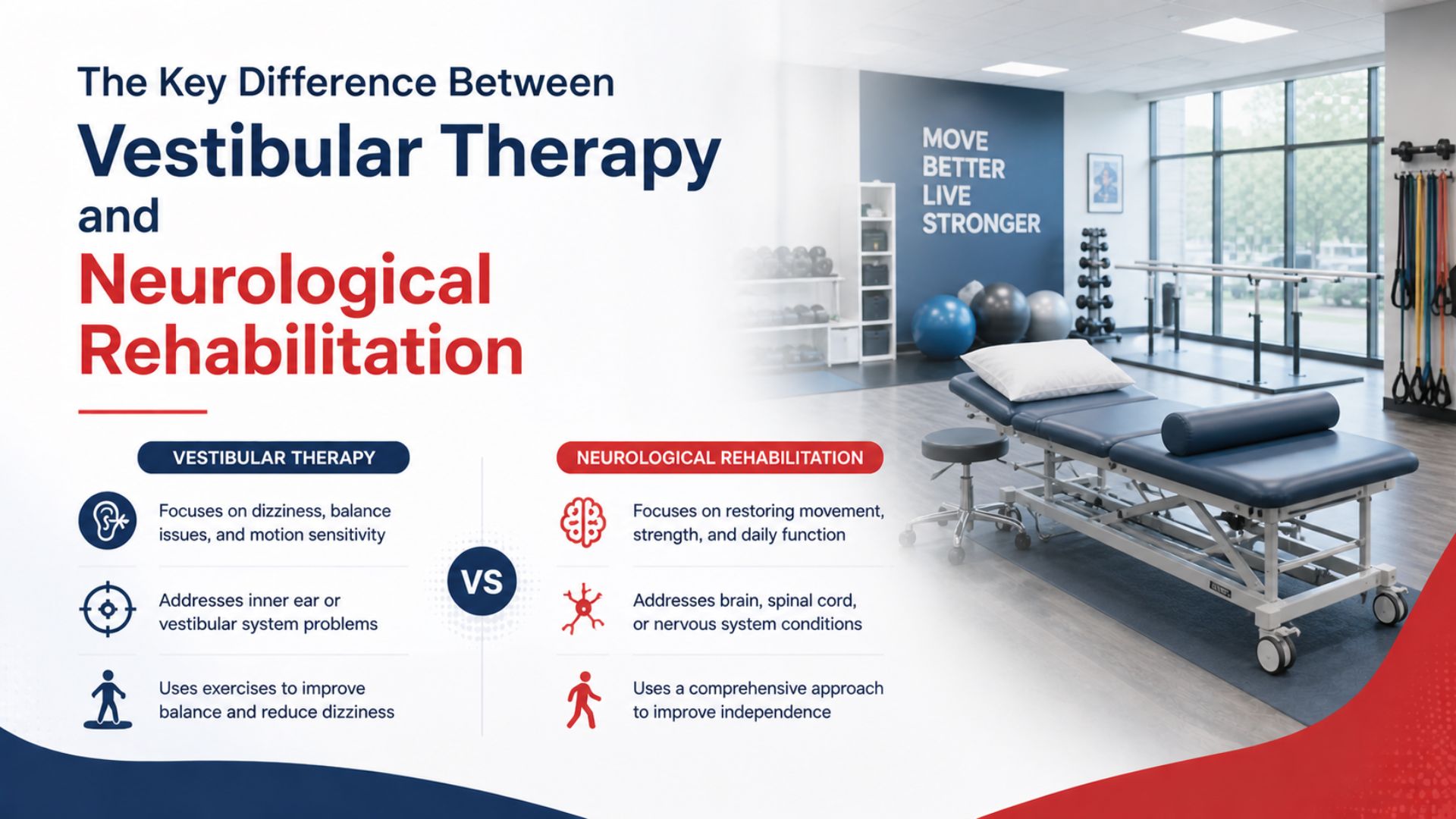
The Key Difference Between Vestibular Therapy and Neurological Rehabilitation
The main difference comes down to the source of the problem.
Vestibular therapy focuses specifically on dizziness and balance issues caused by the inner ear and vestibular system.
Neurological rehabilitation treats movement and function problems caused by the brain, nerves, or central nervous system.
In simple terms:
- Vestibular therapy helps when the body feels off balance because the inner ear is not sending the right signals.
- Neurological rehabilitation helps when the brain or nervous system is not processing or controlling movement correctly.
That said, the two often overlap. For example, a patient recovering with post-stroke physiotherapy may also experience dizziness or balance issues, which means both approaches may be needed as part of recovery.
When You May Need Vestibular Physical Therapy
You may benefit from vestibular physical therapy if you experience:
- Frequent dizziness or spinning sensations
- Motion sensitivity in cars or busy environments
- Loss of balance with head movement
- Difficulty walking in crowded spaces
- Symptoms triggered by rolling in bed or turning quickly
These issues often point to vestibular dysfunction and respond well to targeted vestibular therapy.
When You May Need Neurological Rehabilitation
You may need neurological rehabilitation if you notice:
- Weakness after a stroke
- Trouble walking or standing safely
- Poor coordination
- Muscle control issues
- Slower movement or tremors
- Reduced independence with daily tasks
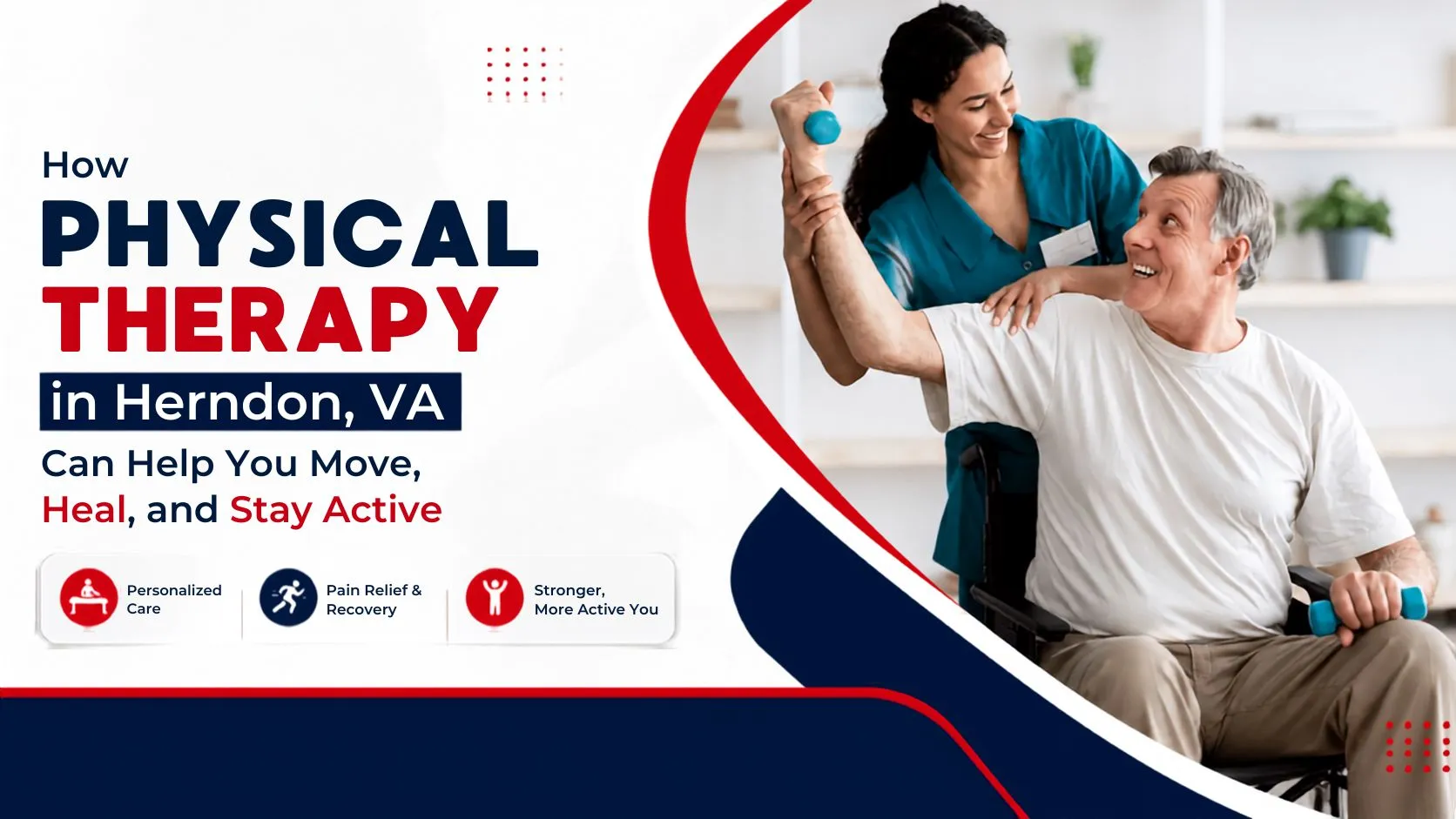
For example, patients recovering after a stroke often benefit from post-stroke physiotherapy to improve walking, strength, and mobility. If this applies to you, our blog How Neuro Physical Therapy Helps Restore Balance and Mobility After Stroke explains how stroke-focused rehabilitation supports recovery.
Do You Need Both?
Yes, many patients benefit from both vestibular therapy and neurological rehabilitation.
A person recovering from a stroke, concussion, or brain injury may have both neurological movement deficits and vestibular-related dizziness. In these cases, combining therapies creates a more complete recovery plan.
This is one reason many people searching for a physical therapy clinic near me choose Virginia’s Physical Therapy. Our therapists evaluate the full picture and create customized treatment plans based on your symptoms, diagnosis, and recovery goals.
Why Choose Virginia’s Physical Therapy?
At Virginia’s Physical Therapy, patients receive expert care in a modern, patient-focused setting designed to support neurological and balance recovery.
Patients choose our team because we offer:
- Experienced and licensed therapists
- Specialized training in neurological rehabilitation
- Evidence-based treatment methods
- One-on-one therapist sessions
- Advanced rehab equipment
- Personalized, patient-centered care
- State-of-the-art clinics in Herndon and Fairfax, VA
Whether you need vestibular physical therapy, post-stroke physiotherapy, or comprehensive neurological rehabilitation, our team is here to help you recover safely and confidently.
If joint pain or mobility limitations are also affecting your recovery, explore 6 Core Exercises For Knee Arthritis: Build Up Your Middle to Reduce Knee Pain or Outpatient Total Joint Replacement: What You Need to Know for additional guidance on improving movement and long-term function.
Find the Right Treatment for Lasting Recovery
If you’ve been searching for neurophysical therapy near me or a trusted physical therapy clinic near me, understanding the difference between vestibular therapy and neurological rehabilitation is the first step toward better care.
At Virginia’s Physical Therapy, we help patients uncover the cause of their symptoms and build personalized plans for long-term recovery, improved balance, and greater independence.
Learn more about our neurological rehabilitation services or request your appointment today.