Balance problems in older adults often result from age-related changes, neurological conditions, or stroke-related impairments. Seeking neurophysical therapy nearby can improve balance, coordination, strength, and confidence through personalized rehabilitation programs designed to reduce fall risk and restore independence.
Key Takeaways
- Balance issues are a leading cause of falls among older adults.
- Neurological rehabilitation addresses the root causes of poor balance rather than just the symptoms.
- Personalized therapy can improve walking, coordination, and daily independence.
- Early intervention often leads to better recovery and a lower risk of future falls.
- Virginia’s Physical Therapy provides evidence-based neurological rehabilitation tailored to every patient’s needs.
When a Simple Loss of Balance Becomes a Bigger Concern
Many older adults dismiss occasional dizziness or unsteadiness as a normal part of aging. However, frequent loss of balance, difficulty walking, or fear of falling can significantly affect independence and quality of life. These challenges may stem from neurological conditions such as stroke, Parkinson’s disease, multiple sclerosis, neuropathy, or other disorders affecting the nervous system.
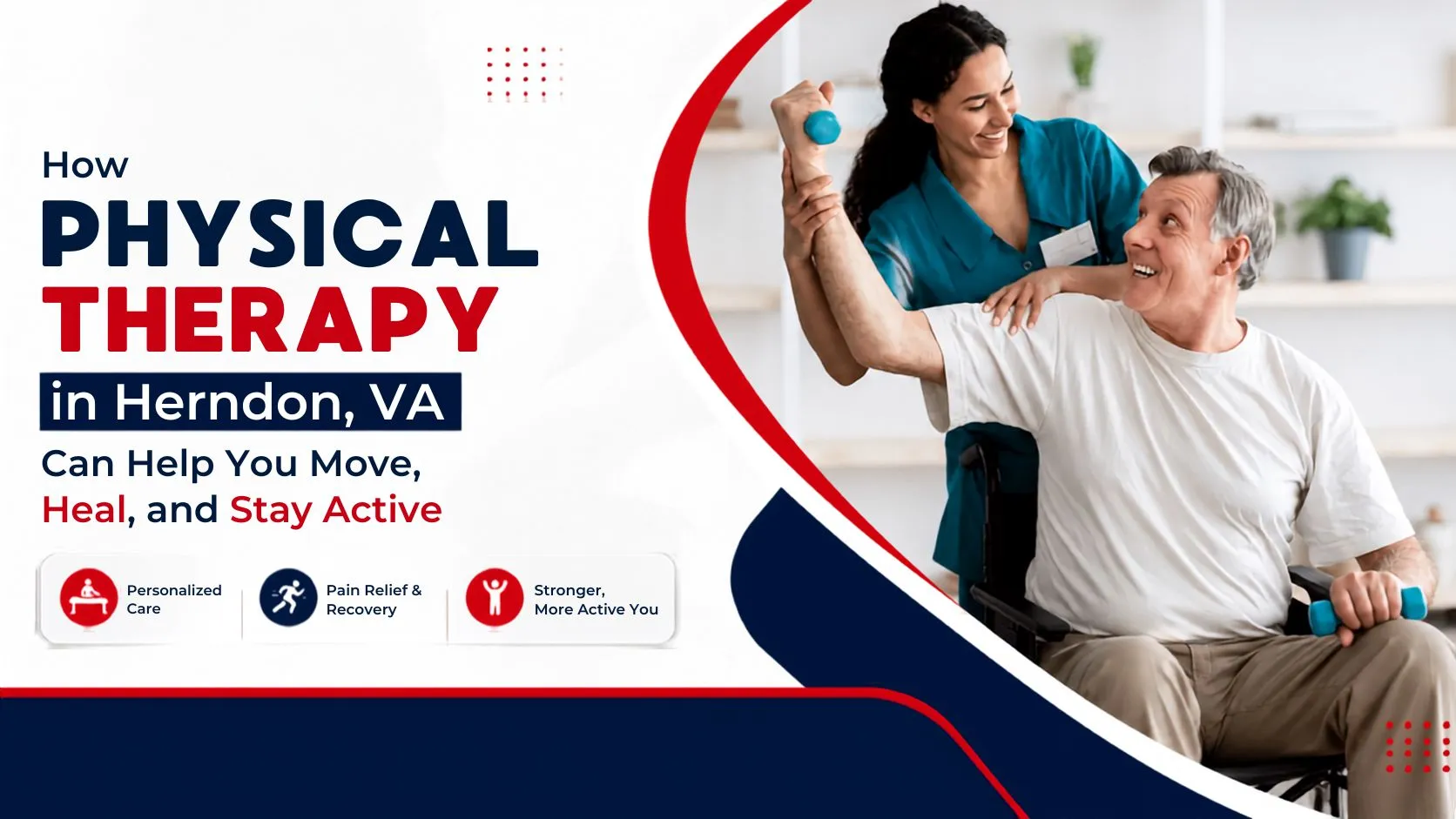
The good news is that balance problems don’t have to define your daily life. With specialized rehabilitation, older adults can regain confidence, improve mobility, and safely return to everyday activities. If you’ve recently searched for neurophysical therapy nearby because of ongoing balance concerns, seeking professional care early can make a meaningful difference.
Why Do Older Adults Experience Balance Problems?
Maintaining balance requires the brain, muscles, joints, vision, and inner ear to work together. As we age, this coordination naturally changes, but neurological conditions can make balance significantly worse.
Common causes include:
- Stroke
- Parkinson’s disease
- Multiple sclerosis (MS)
- Neuropathy
- Brain injuries
- Gait and movement disorders
- Vestibular dysfunction
Without proper treatment, these conditions can increase the likelihood of falls, injuries, and reduced independence. Specialized neurological rehabilitation focuses on retraining the body and brain to work together more effectively.
How Physical Therapy Improves Stability and Mobility
Unlike general exercise programs, neurological physical therapy is designed to address the underlying causes of impaired movement.
A comprehensive rehabilitation program may include:
Gait and Balance Retraining
Therapists assess walking patterns and balance deficits before creating targeted exercises that improve stability on different surfaces and during everyday movements.
Neuromuscular Re-Education
Specialized exercises help retrain communication between the brain and muscles, improving coordination, posture, and movement control.
Strength and Endurance Training
Building muscle strength supports better posture and reduces fatigue, making daily activities safer and easier. If you participate in recreational or competitive sports, explore our blog Sports Injury Prevention Tips From Physical Therapists in Reston and Fairfax to learn how proactive rehabilitation can reduce injury risks and enhance overall performance.
Functional Task Practice
Patients practice real-life movements such as standing up, climbing stairs, turning safely, and walking confidently in different environments.
Fall Prevention Programs
Therapists also teach practical techniques to reduce fall risks at home while improving confidence during everyday activities.
Why Post-Stroke Rehabilitation Is Essential
Many older adults continue experiencing weakness, poor coordination, and balance difficulties long after a stroke. Early and consistent post-stroke physiotherapy helps retrain movement patterns while encouraging the brain to form new neural connections.
Therapy focuses on:
- Restoring walking ability
- Improving coordination
- Increasing strength
- Enhancing balance
- Promoting greater independence in daily living
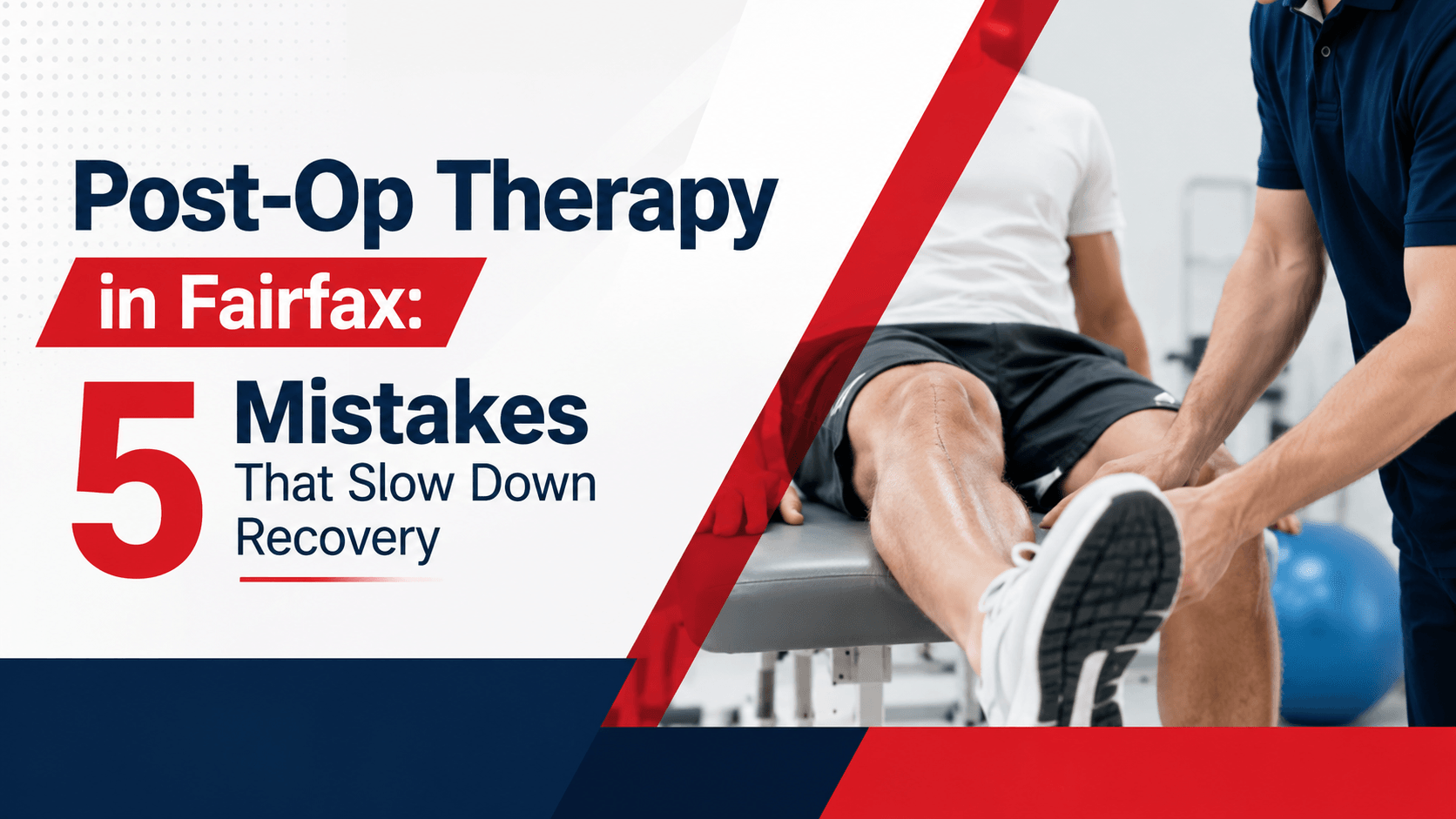
Recovering from a stroke or orthopedic surgery requires patience and a structured rehabilitation plan. Many patients unintentionally delay their recovery by overlooking key rehabilitation guidelines. Read our blog Post-Op Therapy in Fairfax: 5 Mistakes That Slow Down Recovery to discover common recovery mistakes and how professional physical therapy supports better healing outcomes.
What Makes Neurological Rehabilitation Different?
General physical therapy often focuses on muscles and joints. Neurological rehabilitation goes a step further by addressing disorders affecting the nervous system.
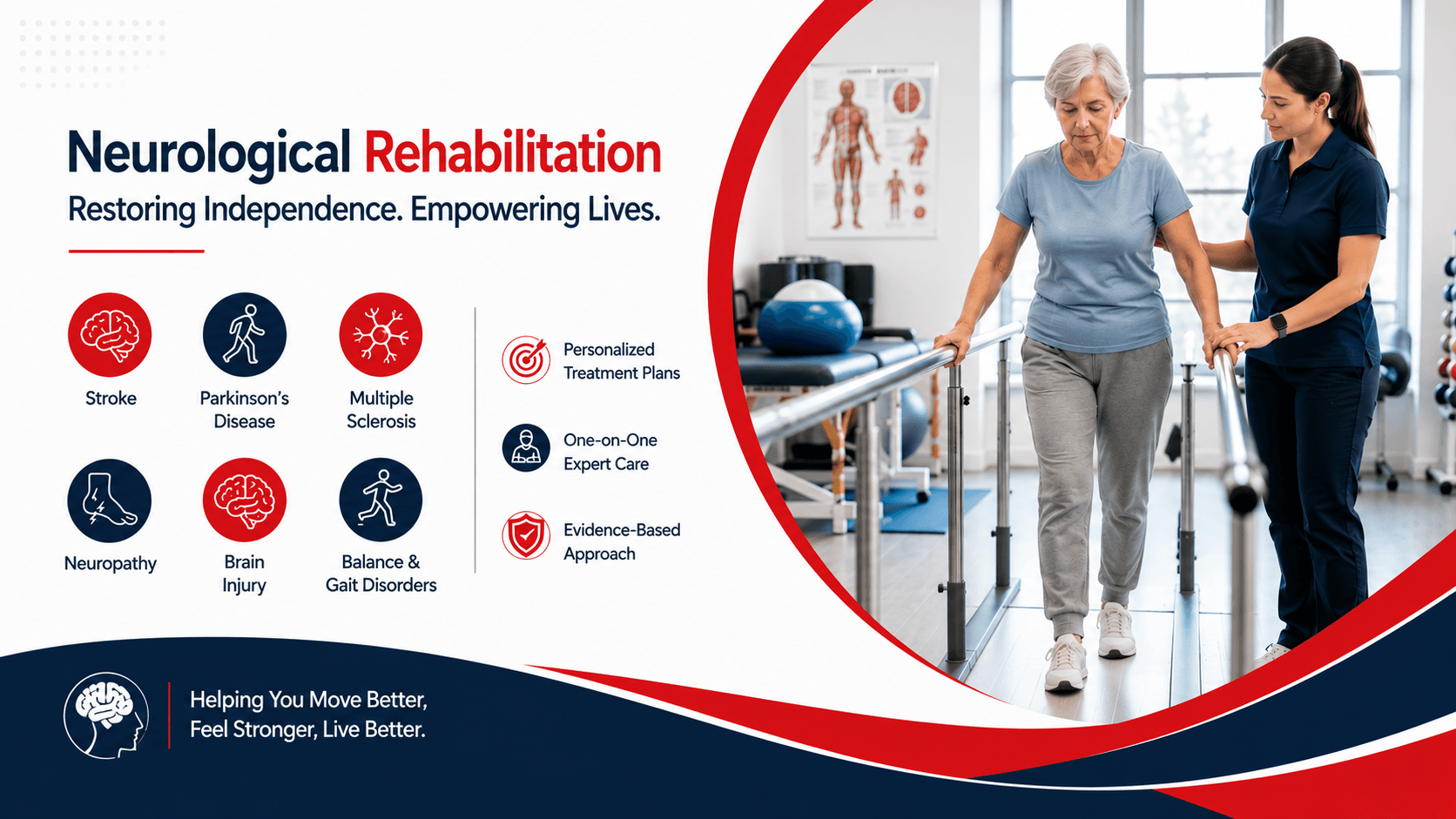
Treatment is specifically designed for conditions such as:
- Stroke (CVA)
- Parkinson’s disease
- Multiple sclerosis
- Neuropathy
- Brain injury
- Gait and coordination disorders
The goal isn’t simply reducing symptoms, it’s helping patients regain functional independence and improve overall quality of life. Evidence-based treatments such as gait retraining, neuromuscular re-education, strength training, vestibular therapy when appropriate, and functional task practice work together to restore confidence and mobility.

Why Choose a Physical Therapy Clinic in Fairfax?
When looking for a physical therapy clinic Fairfax residents can trust, experience and individualized care matter.
At Virginia’s Physical Therapy, every patient receives a customized rehabilitation plan based on their diagnosis, mobility goals, and lifestyle. Our licensed therapists use evidence-based techniques, one-on-one treatment sessions, and advanced rehabilitation equipment to help patients recover safely and effectively.
Our neurological rehabilitation programs support individuals living with stroke, Parkinson’s disease, multiple sclerosis, neuropathy, balance disorders, traumatic brain injuries, and other neurological conditions. We focus on improving mobility, coordination, balance, strength, and daily function while empowering patients to regain confidence throughout their recovery journey.
When Should You Seek Professional Help?
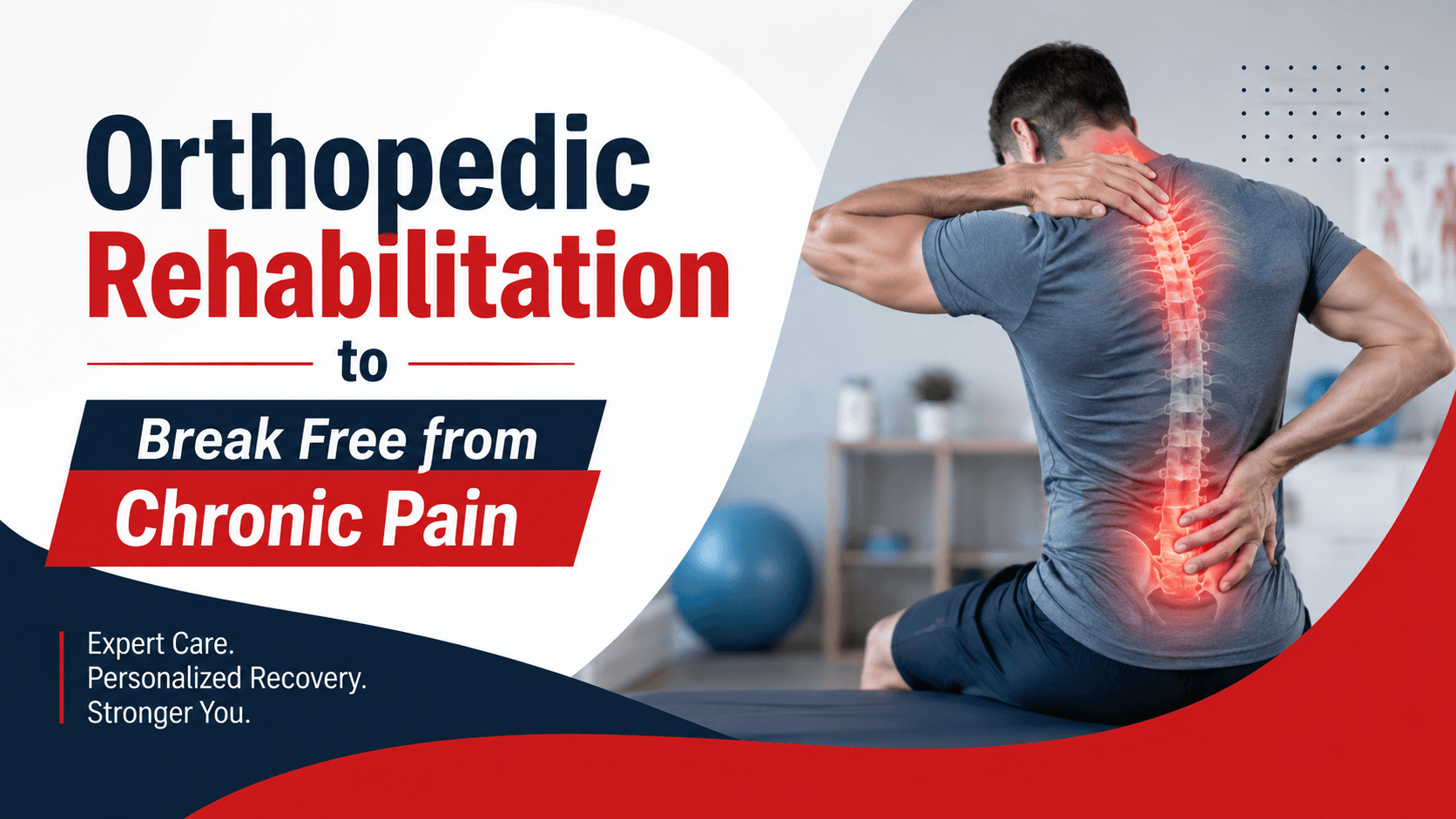
Balance issues aren’t always linked to aging or neurological conditions. Persistent joint pain, muscle weakness, or mobility limitations can also contribute to instability. If you’re experiencing ongoing discomfort that affects your daily activities, our blog Why Active Adults in Herndon Are Turning to Orthopedic Rehabilitation for Chronic Pain explains how targeted rehabilitation helps restore movement and improve long-term function. Consider scheduling an evaluation if you or a loved one experiences:
- Frequent stumbling or falls
- Difficulty walking on uneven surfaces
- Feeling unsteady while standing
- Weakness following a stroke
- Loss of coordination
- Fear of walking without assistance
- Difficulty performing everyday activities safely
Searching for neurophysical therapy nearby early, rather than waiting for symptoms to worsen, can improve recovery outcomes and help prevent future injuries.
Regain Your Confidence with Virginia’s Physical Therapy
Living with balance problems doesn’t mean giving up the activities you enjoy. At Virginia’s Physical Therapy, we believe every patient deserves personalized, compassionate care that restores mobility, improves stability, and helps them regain independence. Through evidence-based neurological rehabilitation, one-on-one therapy sessions, and individualized treatment plans, we help our patients move with greater confidence and safety every day.
If you’re looking for expert neurological care or searching for “neuro physical therapy near me,” we’re here to help. Contact Virginia’s Physical Therapy today to schedule your evaluation and take the first step toward better balance, safer movement, and a more active life.
Frequently Asked Questions